Five Minutes of Exercise May Prolong Life, Says Study
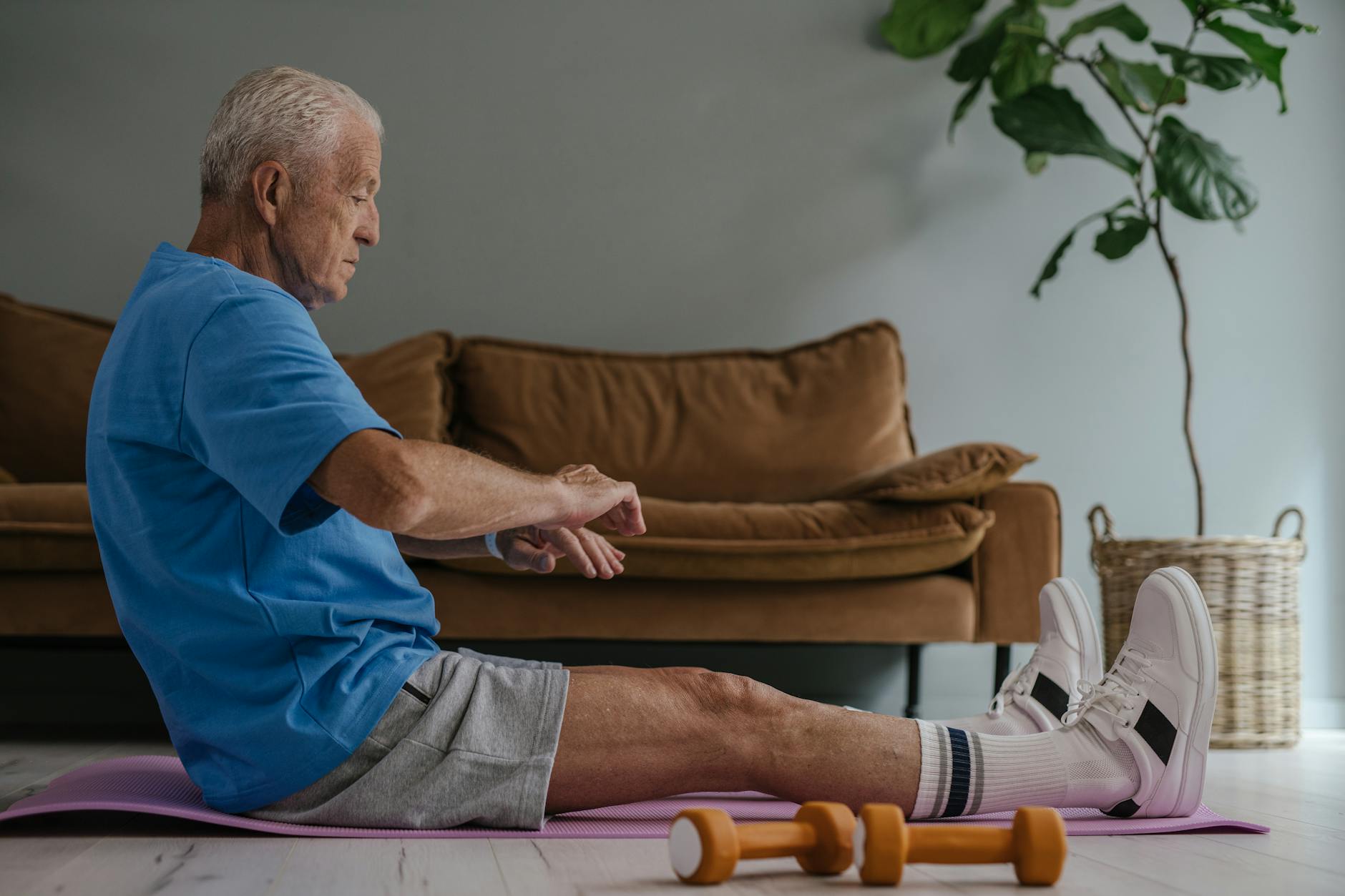
In a world where gym memberships and fitness trackers often dictate our exercise regimes, the idea that a mere five minutes of daily physical activity could extend one's life might seem incredulous. Yet, it is exactly this notion that recent research has brought to light, challenging our conventional understanding of physical fitness.
The study, published in a reputable health journal, highlights that a short burst of moderate activity—be it brisk walking, cycling, or even climbing stairs—can reduce the risk of premature death by a staggering ten per cent. This revelation is particularly significant for those who find the recommended 150 minutes of weekly exercise daunting.
Dr. Eleanor Smith, a leading researcher on the project, remarked, "Our findings suggest that even minimal activity can have profound health benefits. It offers hope for those who may be sedentary due to lifestyle constraints." The implications are vast, especially for populations that struggle with time management or have limited access to fitness facilities.
The Science Behind the Claim
The study draws its conclusions from a comprehensive analysis of over 10,000 participants, monitored over several years. The researchers meticulously accounted for variables such as age, pre-existing health conditions, and lifestyle choices. The results consistently indicated that participants who incorporated just five minutes of moderate exercise into their daily routine experienced improved cardiovascular health and a noticeable reduction in stress levels.
Interestingly, the study also found that reducing sedentary time by half an hour could further amplify these benefits. The combination of both actions could have a transformative impact on public health, potentially decreasing healthcare burdens globally.
Practical Implications
For many, the prospect of dedicating extensive time to exercise can be off-putting. However, this research suggests that the integration of brief, manageable activities into daily life could be a game-changer in promoting longevity. Simple lifestyle changes—opting for stairs instead of lifts, taking brief walks during breaks, or cycling short distances—can now be seen as legitimate health strategies.
The broader message is clear: movement, however slight, is beneficial. This study serves as a potent reminder that the quest for a healthier life need not be arduous or time-consuming. It is an invitation to rethink our approach to physical activity, making it accessible and achievable for all.