Forty Years On: The Lasting Peace of the Mizo Accord
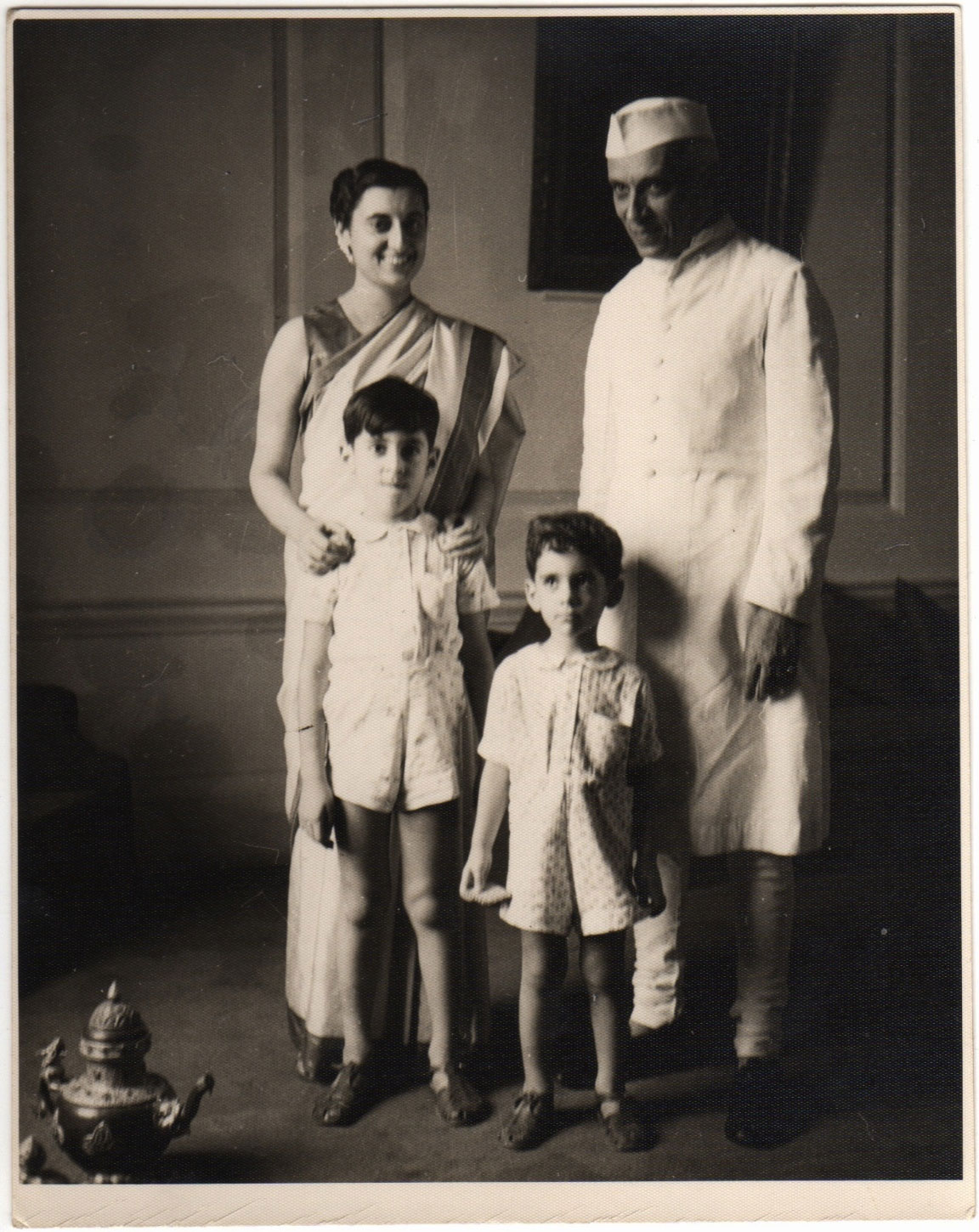
Amidst the verdant hills of Mizoram, 30 June 1986 marks a pivotal day in Indian history. The Mizoram Peace Accord, signed on this day, effectively ended two decades of insurgency, bringing peace to a region that had long been embroiled in conflict. This accord, which some describe as the most successful insurgency settlement in India, owes its success to the deft political manoeuvring of Prime Minister Rajiv Gandhi and the Mizo National Front leader, Laldenga.
The roots of the discord trace back to 1966, a period marked by neglect and unmet promises by the central government, which spurred the Mizo National Front (MNF) to take up arms. Led by Laldenga, the MNF sought independence, igniting a violent struggle in the northeast. The signing of the accord was not merely the product of last-minute negotiations, but rather the culmination of persistent dialogue and mutual understanding.
Political Will and Leadership
Rajiv Gandhi’s role cannot be understated. His willingness to engage with the MNF, recognising their grievances and aspirations, was crucial. The accord reflected a rare blend of empathy and pragmatism, qualities that are often in short supply in the political arena. Gandhi’s approach was echoed by Laldenga, whose leadership navigated the MNF towards a peaceful resolution. The accord's success lay in its simplicity and clarity: a promise of peace in exchange for the MNF laying down arms and accepting the Indian Constitution.
Enduring Peace and Lessons for the Future
Four decades later, the Mizoram Peace Accord remains a beacon of hope. It stands as a reminder that even the most entrenched conflicts can be resolved with dialogue and compromise. Political experts and former chief ministers continue to laud the accord, noting that replicating such success elsewhere requires an equally strong commitment to peace and understanding.
As Mizoram commemorates this anniversary, it serves as a timely reminder of the extraordinary results that can be achieved when leaders prioritise peace over politics. The lessons from this accord are as relevant today as they were in 1986, offering valuable insights into the art of peacemaking in an increasingly divided world.