From Dolly to Today: The Evolution of Cloning Technology
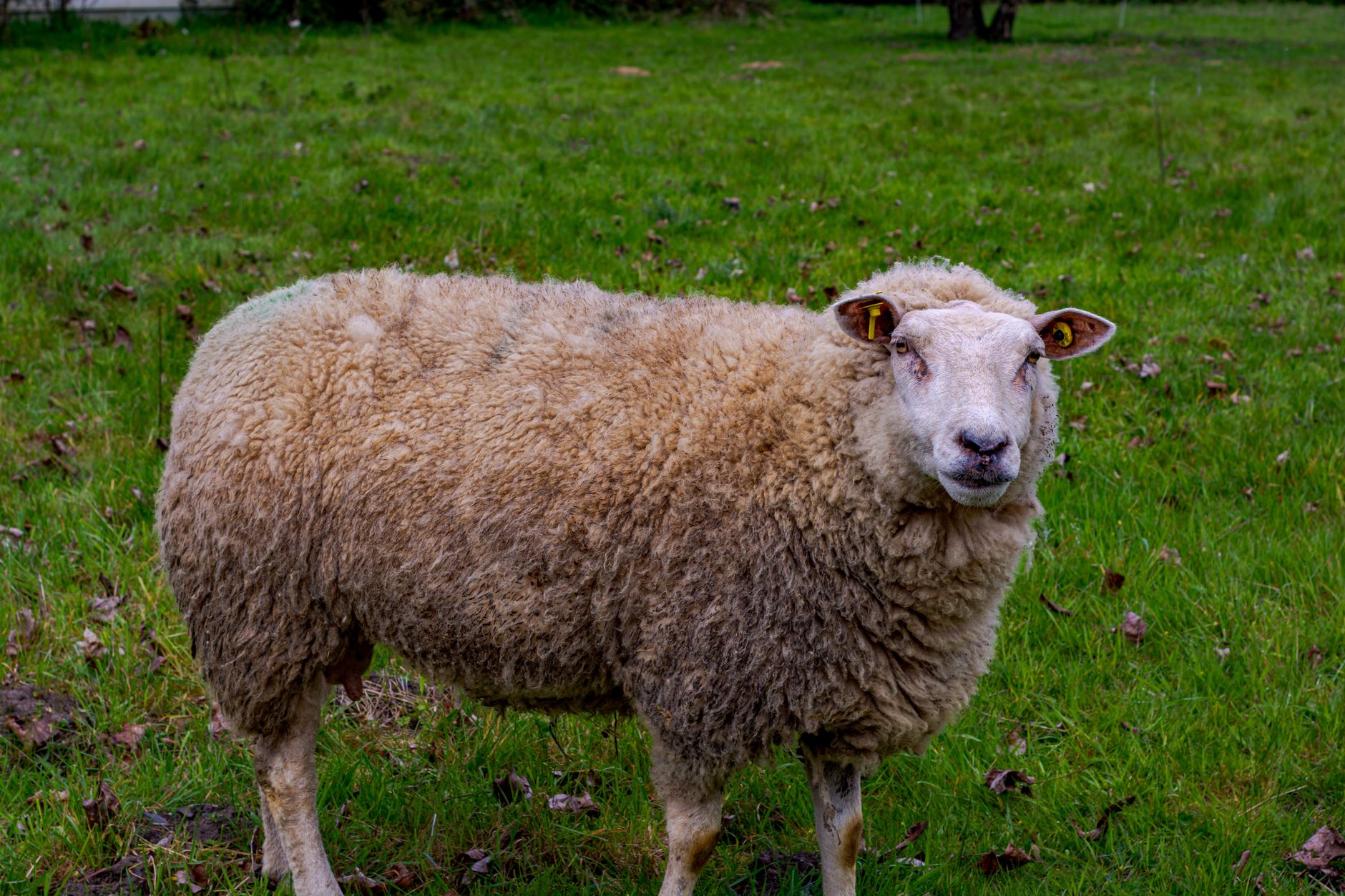
When Dolly the sheep first bleated her way into the world on 5 July 1996, she did more than make headlines. Dolly, the first mammal cloned from an adult somatic cell, ignited a global debate on the ethics and potential of cloning.
Fast forward thirty years, and the vision of cloned humans or even Jurassic Park-style dinosaurs remains firmly in the realm of fiction. Yet, cloning technology has not languished; it has instead found its niche within the sphere of biotechnology.
The State of Cloning Today
Today's cloning is no longer a mere scientific spectacle. It underpins advancements in several fields, from agriculture to conservation. Somatic cell nuclear transfer, the technique behind Dolly's creation, is still in use, though it remains a costly and technically challenging process.
In agriculture, cloning is employed to breed livestock with desirable traits, enhancing food production efficiency. Meanwhile, in conservation, cloning offers a lifeline for endangered species. Scientists have successfully cloned animals like the black-footed ferret and Przewalski's horse, contributing to biodiversity preservation.
Challenges and Ethical Considerations
Despite its advancements, cloning faces significant hurdles. The process is inefficient, with low success rates and high costs. Moreover, ethical questions persist, particularly concerning animal welfare and the potential for human cloning.
The prospect of human cloning raises profound moral and philosophical issues. While therapeutic cloning holds promise for regenerative medicine, the idea of replicating humans remains controversial and, in many jurisdictions, illegal.
As we reflect on Dolly's legacy, it's clear that cloning technology will continue to evolve. Though it may never fulfil the more extravagant predictions of the past, its practical contributions to science and society are undeniably significant.