From Memes to Movements: Dipke's Unconventional Political Challenge
In a political landscape often marked by gravitas, Abhijeet Dipke, founder of the Cockroach Janta Party (CJP), has introduced a novel approach that combines satire with serious socio-political critique. His latest manoeuvre—demanding the resignation of Education Minister Dharmendra Pradhan at a protest in Jantar Mantar—has added yet another layer to his growing influence.
Dipke's rise is emblematic of a broader frustration among India's youth, who feel stifled by a political discourse dominated by Hindu-Muslim rhetoric. His movement, which began as a digital phenomenon, has transitioned from memes and viral content to real-world activism. With an agenda to overhaul the education system, Dipke targets joblessness as a principal concern, arguing that current political priorities have overshadowed essential issues.
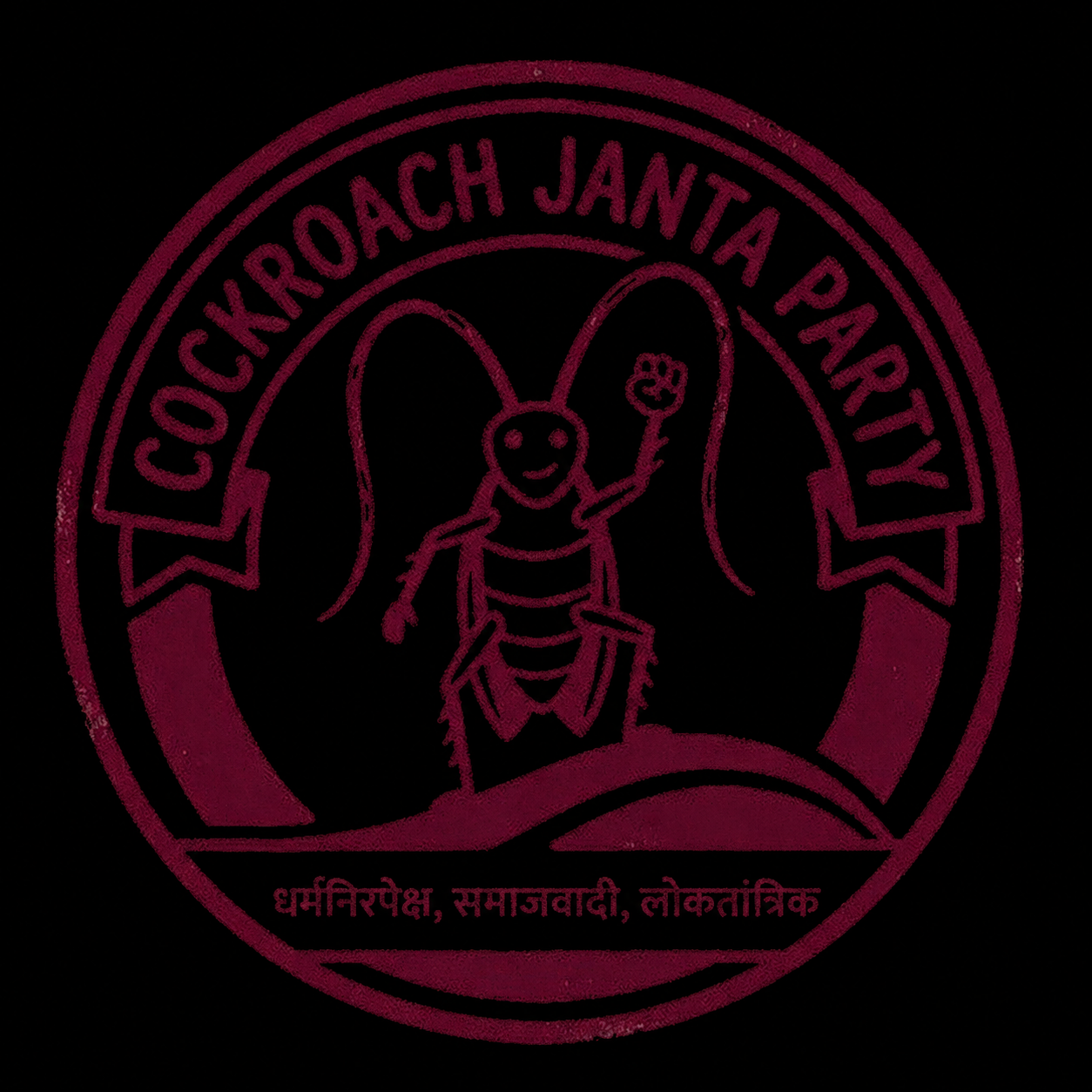
At the heart of Dipke's movement is a unique blend of humour and sincerity. While the CJP's mascot—a cockroach—might evoke amusement, the underlying message resonates deeply with a generation disillusioned by traditional politics. The party's unconventional tactics, including rap anthems and live streams, have managed to capture the attention of millions, a feat many established parties struggle to achieve.
However, Dipke's critics argue that his methods trivialise serious issues. Yet, his supporters believe that the injection of humour into political discourse is precisely what makes his message accessible and relatable. The fact that the CJP has managed to raise substantial attention, if not outright political support, highlights a significant shift in how political messaging is consumed in India.
While the Jantar Mantar protest may be a 'trailer', as Dipke puts it, the question remains whether this movement can sustain its momentum and effect genuine change. For now, it has succeeded in making the political establishment take notice, a rare achievement for any fledgling party.