FSSAI Bans Newspaper Use in Food Packaging, Citing Health Risks
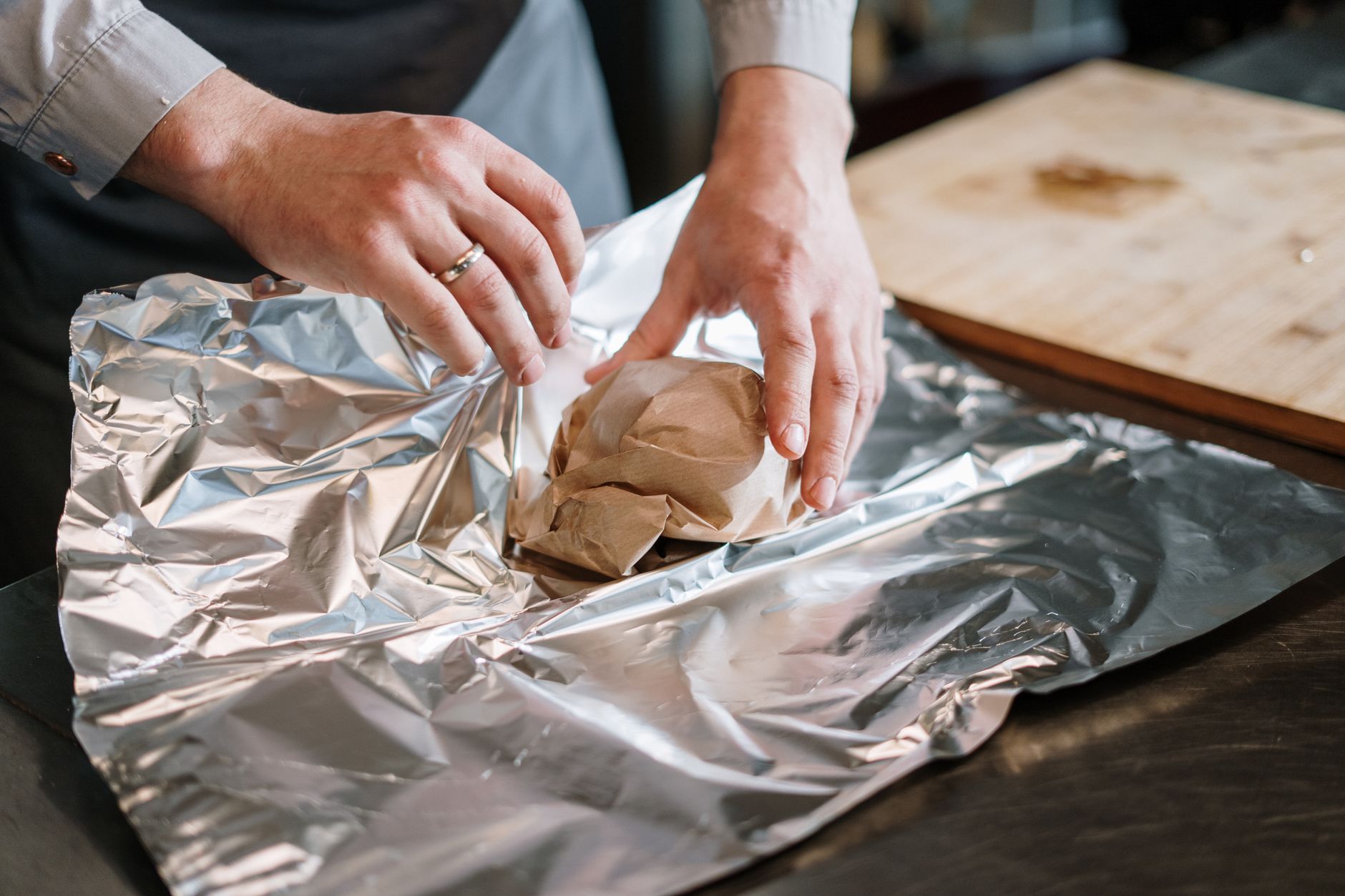
In a directive that has sent ripples through India's bustling food industry, the Food Safety and Standards Authority of India (FSSAI) has ordered an immediate cessation of newspaper use for packaging and serving food. This comes in light of pressing health concerns associated with the transfer of printing ink and other contaminants to food products.
The decision, announced earlier this week, was spurred by a recent incident in Mumbai. Here, a renowned vada pav vendor was caught using newspapers to wrap and serve the popular street snack. This practice, although widespread and often overlooked, poses a significant health risk, according to the FSSAI.
Health Hazards: A Pressing Concern
Newspapers, while an economical and readily available option, are not food-grade materials. The ink used in printing contains harmful chemicals, including lead, which can seep into food. Regular consumption of such contaminated food could lead to serious health issues, a fact that has prompted the FSSAI's intervention.
Dr Harsh Vardhan, a senior official at the FSSAI, emphasised the gravity of the situation. "This is not merely a regulatory issue; it is a public health imperative," he stated. The directive aims to enforce stricter compliance among food business operators, ensuring that packaging materials conform to safety standards.
Impact on Small Businesses
While the move is welcomed by health experts, it has raised concerns among small food vendors who rely on newspapers due to cost constraints. For many, newspapers are a cheaper alternative to conventional packaging materials. However, the FSSAI insists that the health benefits of the ban far outweigh the economic challenges.
In response, the FSSAI has pledged to support small businesses in transitioning to safer packaging methods. Initiatives may include subsidies or providing access to affordable, safe packaging options.
The ban on newspaper use is a pivotal step towards enhancing food safety standards in India. As the country grapples with balancing tradition and modernity, this directive underscores the necessity of prioritising public health over age-old practices.