Galactic Mysteries and Extinction Insights: Science Highlights
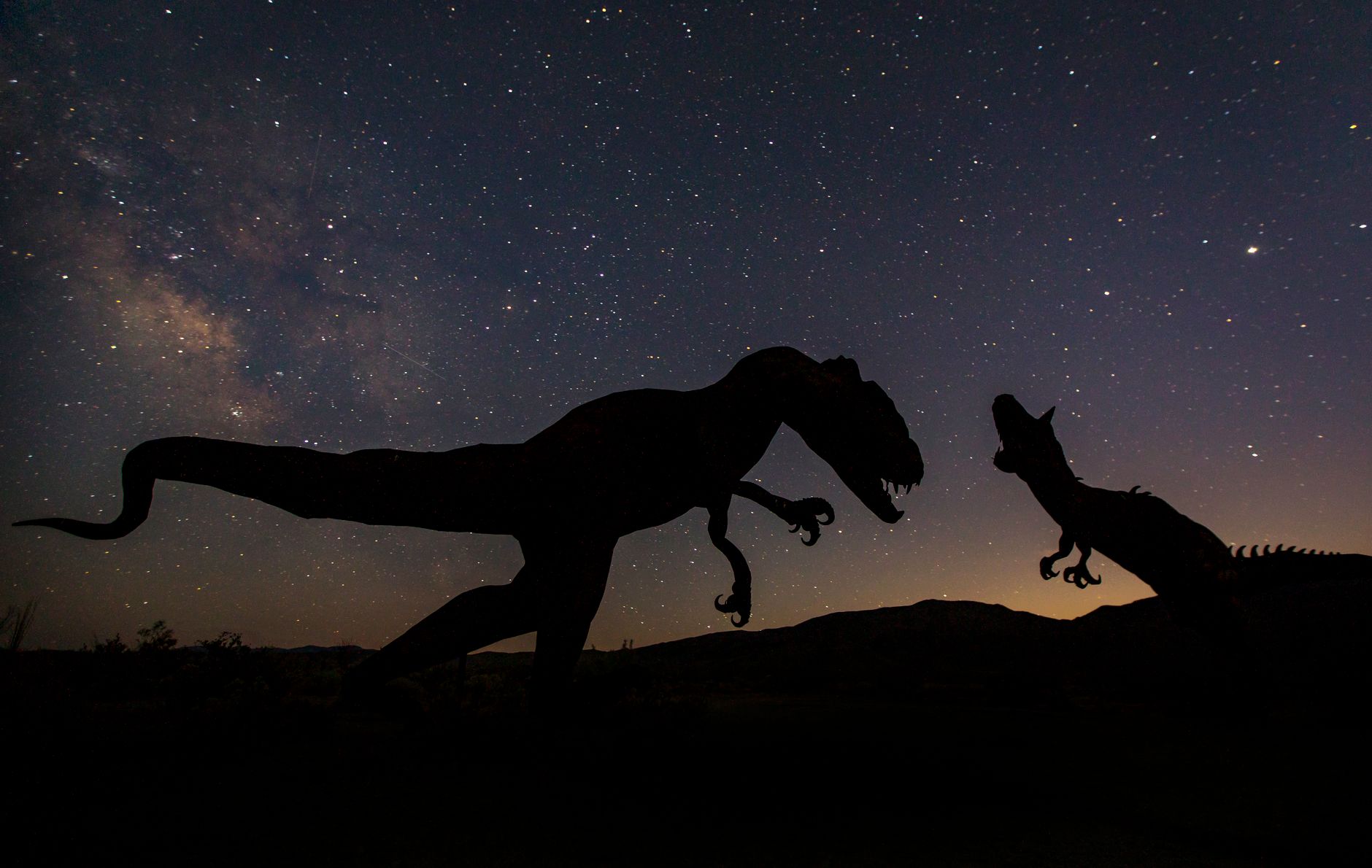
As the world turned its gaze skyward on July 12, 2026, scientists offered a fresh vista into the mysteries of both earth and space. A landmark study from Stanford University, now gracing the pages of the Proceedings of the National Academy of Sciences, delves into the enduring question of survival amidst mass extinctions. By combining data from species that perished alongside those which defied oblivion, researchers have crafted a narrative that redefines our understanding of resilience.
Such insights into the past were juxtaposed with a cosmic revelation as astronomers peered into the depths of the universe, encountering a galaxy whose structure seemed more art than science. Surrounded by a starfield, this celestial body boasted an array of shells, some concentric and symmetrical, others wildly filamentary and colourful. Each detail seemed to whisper secrets of cosmic genesis, a tantalising puzzle for those who dare to dream beyond the stars.
Revelations from the Past
The Stanford study stands as a testament to the power of interdisciplinary research. Scientists meticulously analysed biological data from both victims and survivors of extinction events, painting a complex picture of life's tenacity. This bold approach offers not just a window into the past, but a lens through which we might better predict the future.
Dr. Eliza Carter, a leading researcher on the project, noted, "Understanding the traits that allowed certain species to survive while others succumbed may hold the key to preserving biodiversity in an era of rapid climate change." Her words echo a growing consensus among scientists: the past is our greatest teacher.
A Cosmic Tapestry
While earthbound researchers focused on history, astronomers lifted their eyes to the heavens, uncovering a galaxy that defies conventional wisdom. This intricate formation, with its vivid shells and filaments, challenges our understanding of galactic evolution. The phenomenon, captured in vivid detail, reveals a vibrant tapestry woven by the universe itself.
Dr. Anwar Malik, an astronomer involved in the discovery, explained, "Such formations are not merely objects of beauty; they are the universe's way of telling its story. Each filament and shell is a chapter in the cosmic narrative." As humanity continues to explore these celestial wonders, the dialogue between earth and sky grows richer, promising discoveries that inspire and humble in equal measure.