Generative AI: The New Face of Business Email Compromise
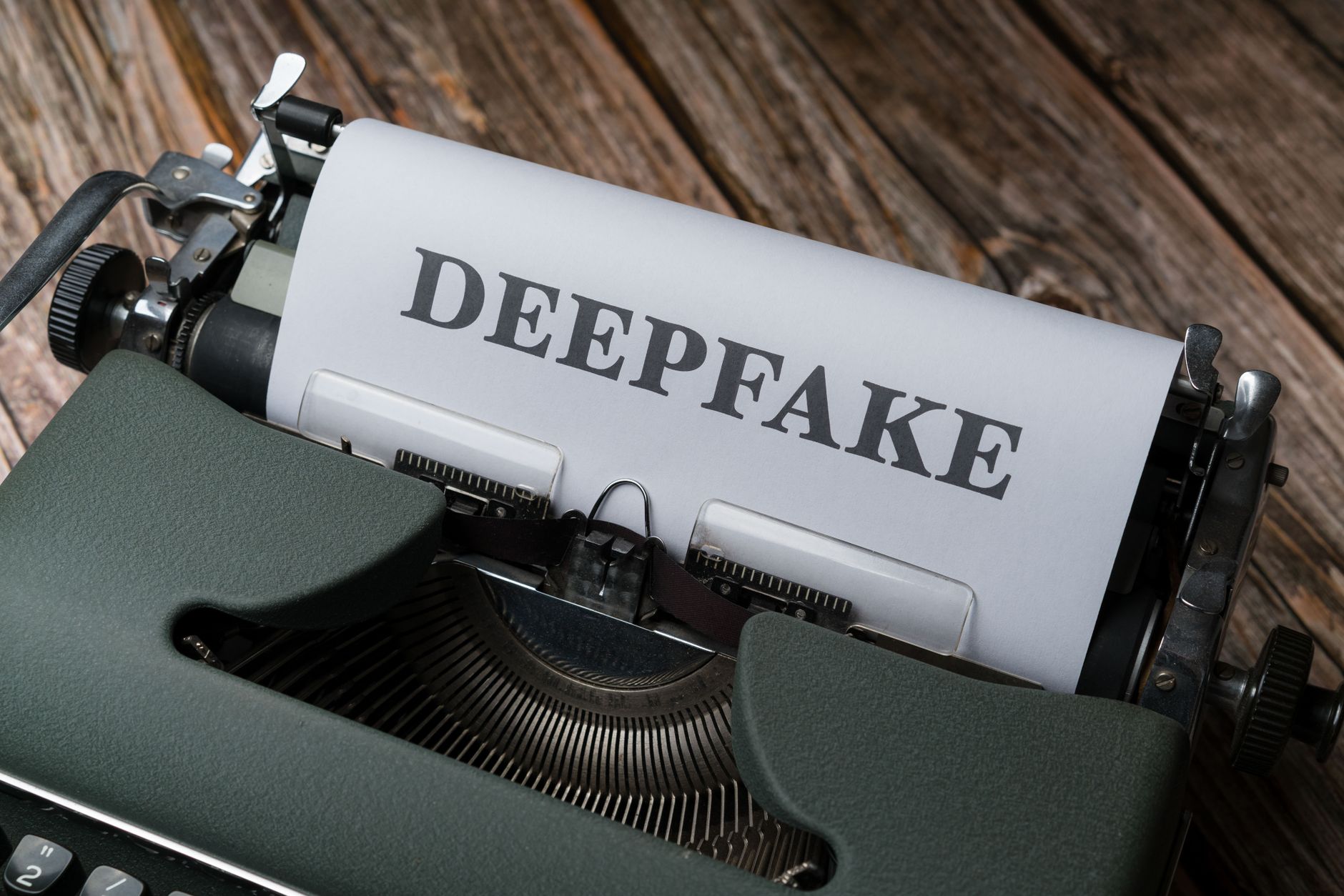
The era of generative AI has ushered in a new echelon of Business Email Compromise (BEC) attacks, posing an unprecedented challenge for organisations worldwide. With the advent of this technology, cybercriminals have gained the ability to craft highly convincing and personalised phishing emails, complete with deepfakes and intricate social engineering tactics. The sophistication of these attacks lies not only in their execution but also in their uncanny ability to mimic legitimate business communications.
Unlike traditional phishing attempts characterised by generic messages and obvious red flags, these AI-fuelled threats are meticulously tailored to reflect genuine correspondence. By analysing a target's communication patterns, attackers can generate messages that reference real projects, colleagues, and deadlines. This level of detail makes it increasingly difficult for recipients to distinguish fraudulent emails from authentic ones.
The Role of Deepfakes and AI
Deepfakes, once a novelty, have become a formidable tool in the arsenal of cybercriminals. By creating realistic audio and video impersonations, attackers can deceive even the most vigilant professionals. Imagine receiving a voicemail supposedly from a senior executive, urging immediate action on a financial transaction. The voice sounds authentic, the request plausible — a perfect recipe for fraud.
Generative AI's role extends beyond creating deceptive content. It enables attackers to operate at a scale and speed previously unimaginable. Automated systems can launch hundreds of tailored attacks simultaneously, overwhelming traditional defence mechanisms.
Defensive Measures and Future Strategies
As the threat landscape evolves, so must our defences. Organisations are increasingly investing in advanced AI-driven security solutions capable of identifying anomalies in communication patterns. However, technology alone is not a panacea. Comprehensive staff training remains pivotal. Employees must be equipped with the skills to recognise potential threats, even when they come wrapped in a veneer of authenticity.
Moreover, fostering a culture of skepticism can be invaluable. Encouraging employees to verify requests through multiple channels may seem cumbersome, but it could be the key to thwarting a costly compromise.
In conclusion, while generative AI has indeed added a new dimension to BEC attacks, it also presents an opportunity for innovation in cyber defence. As organisations navigate this complex terrain, the balance between embracing technological advancements and maintaining robust security protocols will be crucial.