Genetic Innovation: Boosting Crop Nutrition Amid Climate Challenges
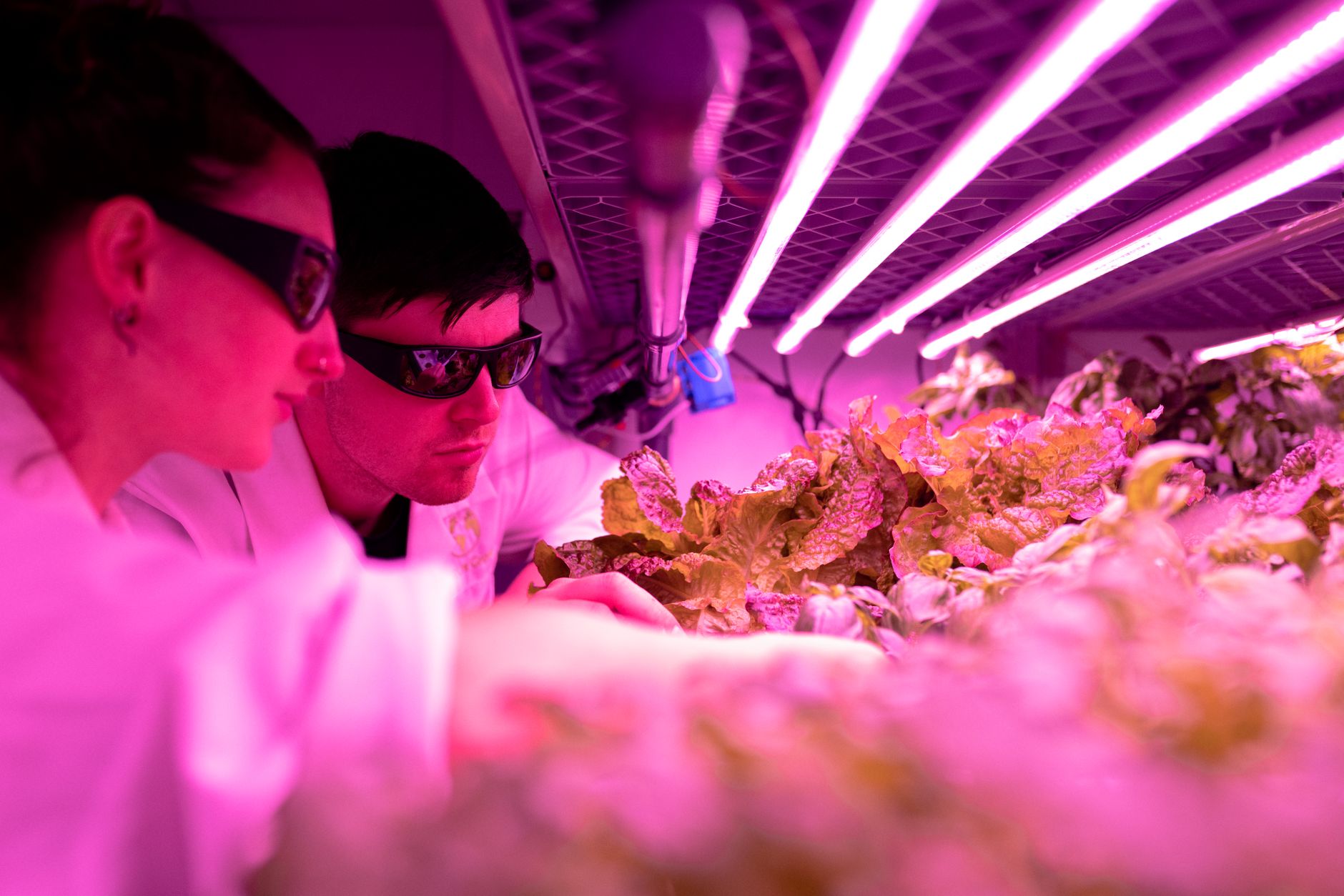
On the frontline of climate change, where the stakes could not be higher, scientists are wielding an unlikely weapon: the humble gene. As the world's climate continues its unpredictable march, agriculturalists are turning to cutting-edge genetic technologies to ensure that tomorrow's crops are not only resilient but packed with nutritional value.
Gene-editing, once the domain of science fiction, is now very much a reality in the agricultural sector. This technology allows precise modifications to the genetic makeup of crops, potentially transforming plants into biofortified powerhouses. This comes at a time when the need for such innovation has never been more pressing.
Traditionally, agronomists have relied on conventional breeding and agronomic practices to enhance crop traits. However, these methods are laborious and time-consuming. Gene-editing, by contrast, offers a rapid, targeted approach that could drastically reduce breeding times while enhancing traits such as stress tolerance and nutritional content.
Among the crops at the heart of this transformation is the cowpea, a staple for smallholder farmers in Africa and other regions. Its enhancement could prove pivotal in combating malnutrition while bolstering economic stability for farmers reliant on its yield.
Implications for Food Security
With the global population expected to reach nearly 10 billion by 2050, food security is more than a buzzword; it's a looming challenge. The ability to cultivate highly nutritious crops in increasingly unpredictable climates could be a cornerstone of future food strategies.
Gene-editing offers the promise of crops that require fewer chemical inputs, such as pesticides and fertilisers, thereby reducing environmental impact and fostering sustainable farming practices. These improvements do not happen in a vacuum; they have the potential to revolutionise agricultural economies and improve health outcomes globally.
A Cautious Optimism
While the promise of gene-editing is immense, it is met with cautious optimism. Ethical concerns and regulatory hurdles remain, as does the question of accessibility for smallholder farmers in developing regions. Nonetheless, the potential benefits are too significant to ignore.
As we look towards 2025, when new, highly nutritious crops are slated for planting, the agricultural landscape is poised for a transformation. Whether this marks the dawn of a new era in sustainable farming depends not only on scientific advancements but on the policies and frameworks that will guide their implementation.