Global Blood Donations Surge, Yet Access Remains Unequal
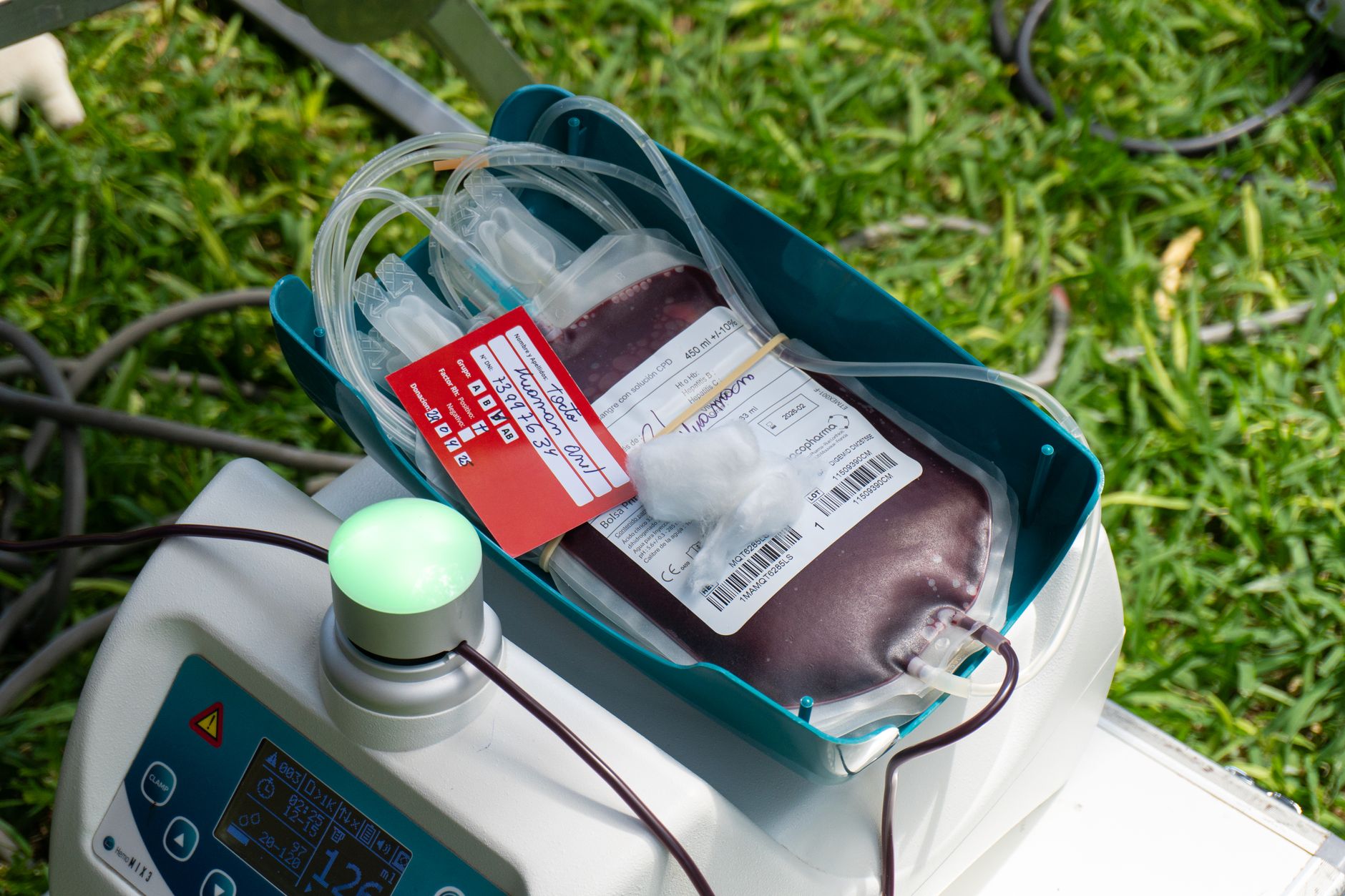
In the intricate dance of life and death, blood often plays a lead role. New data from the World Health Organization (WHO) reveals a significant milestone: over 85 per cent of global blood donations are now from voluntary, unpaid donors. This marks a pivotal move towards safer blood supplies, aligning with WHO's long-standing advocacy for voluntary donations as the safest and most sustainable source.
Yet, this progress is not without its shadows. The WHO report, while highlighting the strides made, underscores persistent inequalities in access to safe blood. Despite a nearly 19% increase in global blood collections over a decade, many regions continue to grapple with inadequate supplies. These shortages are acutely felt in areas where healthcare infrastructure is already under strain.
The Hidden Inequities
Access to safe blood is a critical concern for countless patients worldwide. Women facing life-threatening haemorrhages during childbirth, children battling severe anaemia, and victims of trauma or burns often find themselves at the mercy of these shortages. Similarly, individuals undergoing surgery or living with conditions like sickle-cell disease, thalassaemia, or certain cancers depend heavily on the availability of safe blood.
The WHO report points to weaknesses in governance, financing, and regulation of blood systems as key barriers. These challenges are most pronounced in low-income countries, where blood services often lack the necessary resources to ensure a reliable supply.
A Call to Action
While voluntary donations provide a foundation of hope, the international community must address these systemic issues to ensure equitable access to blood supplies. Strengthening regulatory frameworks, boosting financial support, and fostering regional cooperation are vital steps forward. As the global health landscape evolves, so too must our strategies for ensuring that the lifeblood of healthcare — quite literally — is within reach for all.
As the world continues to navigate these challenges, the message is clear: while the journey towards safe, accessible blood supplies has made commendable progress, the road ahead requires concerted effort and unwavering commitment.