Global Food Poisoning Crisis: The Unseen Health Battle
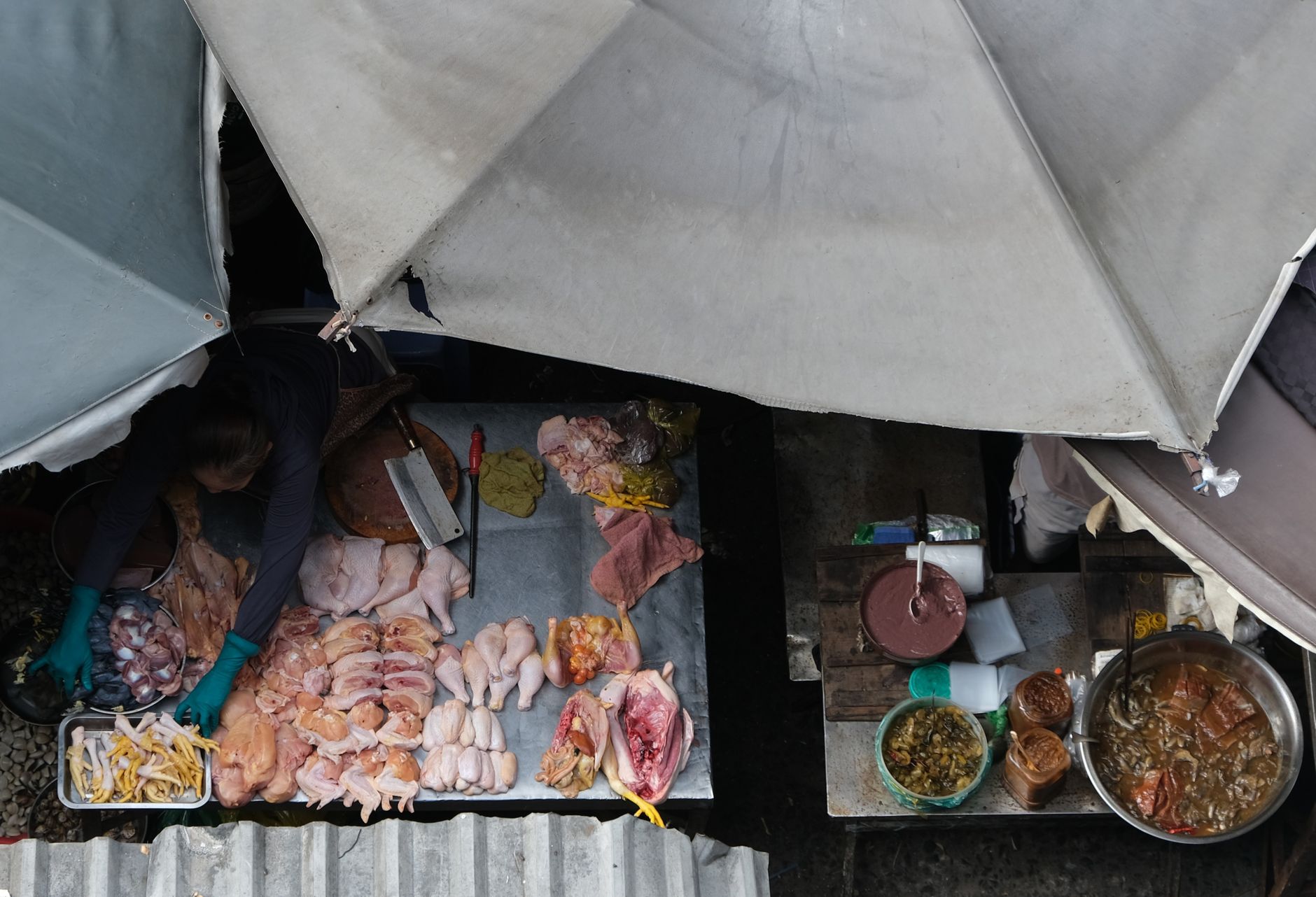
In the shadowy corridors of global health, food poisoning lurks as an oft-overlooked menace. According to the World Health Organization (WHO), approximately 600 million people fall ill due to foodborne diseases each year, resulting in 420,000 deaths. These figures, while staggering, barely scratch the surface of a problem that thrives on underreporting and data deficiencies.
Dr Kazuaki Miyagishima, director of WHO's department of food safety and zoonoses, has called for more robust data collection to gauge the true extent of the issue. "Our current estimates are conservative," he admits, emphasising the need for improved data to strategise effective interventions.
Understanding the Symptoms
Food poisoning symptoms typically manifest within six hours of consuming contaminated food, contrasting with stomach bugs that take longer to develop. This rapid onset makes it easier to link symptoms to specific meals, yet the transient nature of the illness often leads to a lack of medical reporting. Consequently, many cases remain unrecorded, skewing public health responses.
Recent months have seen a spate of food poisoning incidents, notably a salmonella outbreak in the UK tied to poultry and eggs imported from Poland. Over 200 individuals were affected, prompting an investigation by the Food Standards Agency. Such episodes highlight the vulnerabilities within global food supply chains and the necessity for stringent safety checks.
The Path Forward
For nations grappling with foodborne diseases, the path forward involves not just better detection and reporting mechanisms but also international cooperation. As Dr Miyagishima asserts, "What we know is alarming, but what we don't know could be even more so." Bridging data gaps requires resources and political will, but the potential to save hundreds of thousands of lives makes it a vital endeavour.
Ultimately, addressing the global toll of food poisoning demands a concerted effort from governments, health organisations, and consumers alike. As the world becomes more interconnected, ensuring the safety of our food supply is not just a national concern but a global imperative.