Global Health Progress Faces Setback Amid Rising Inequalities
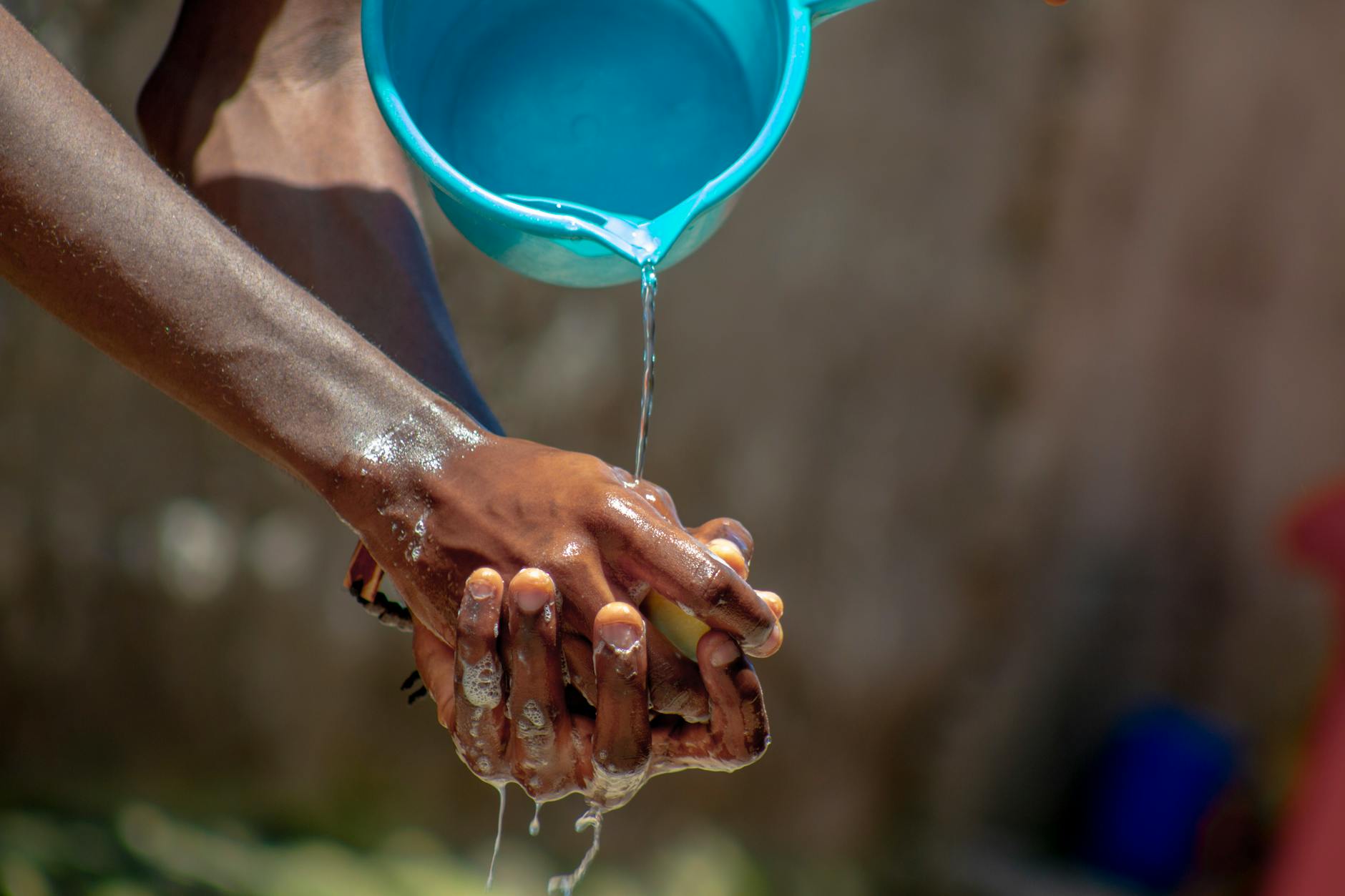
For nearly a decade, the world witnessed a remarkable transformation in global health. Between 2015 and 2024, access to essential services such as clean drinking water, sanitation, and hygiene soared, touching the lives of billions. However, mounting inequalities now threaten to unravel these hard-won gains.
The World Health Organisation (WHO) recently sounded the alarm, highlighting a concerning slowdown in global health progress. Notably, 961 million people gained access to safely managed drinking water, while 1.6 billion now benefit from basic hygiene. Such strides were once celebrated as triumphs of the 'global health and wellbeing' approach.
Yet, the celebration is dampened by emerging challenges. The concept of 'neartermism', which prioritises immediate health needs, is coming under pressure. As inequalities widen, the gains risk being reversed, leaving the world's most vulnerable populations at risk.
Why Progress is Stalling
Experts point to a confluence of factors. Economic disparities, political instability, and climate change are exacerbating existing inequalities. The 'neartermism' approach faces criticism from proponents of 'longtermism', who argue for a focus on humanity's future rather than immediate concerns.
Moreover, public health leadership remains in flux, especially in light of pandemic responses. Critics argue that downgrading health portfolios undermines national security, illustrating the need for a robust and permanent global health strategy.
A Call to Action
As these issues unfold, the global community must act decisively. Strategic investments in health infrastructure, coupled with equitable policies, are essential to sustain progress. Without such measures, the gains of recent years could fade, leaving millions without basic necessities.
The world faces a pivotal moment. Whether it chooses to preserve the advances of the past or allow them to slip away will depend on collective resolve and commitment to addressing inequalities head-on.