Global Health Progress Stalls Amidst Data Challenges
The World Health Organization's 2026 World Health Statistics report presents a sobering picture of global health. Once promising gains in life expectancy are now on a downward trajectory, as the lingering impacts of the pandemic reveal themselves in stark detail. The report, unveiled yesterday, highlights not only the uneven recovery but also major data deficiencies that cloud the true state of global health.
According to the report, while there were significant strides in healthcare access and treatment in the last decade, these advances are at risk of being undone. The pandemic has underscored the fragility of health systems, especially in regions where resources are scarce and infrastructure is weak.
Pandemic's Lingering Impact
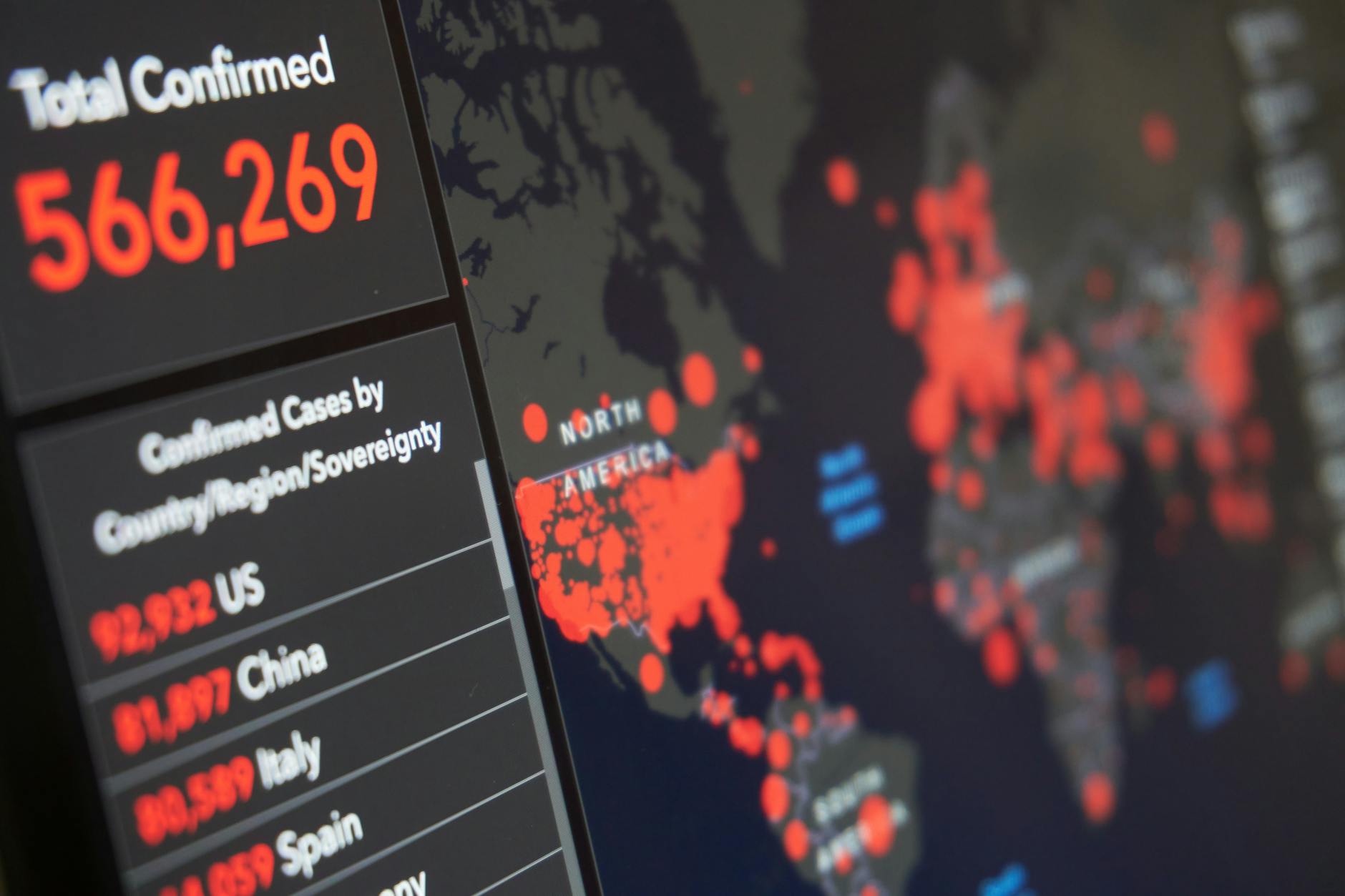
The pandemic has not just been a health crisis but a data crisis as well. The WHO points out that the lack of reliable data hampers effective decision-making, which is crucial for setting and meeting health targets. Regions that were already lagging have fallen further behind, exacerbating existing inequalities.
Life expectancy, which saw a steady rise over the past decade, has now stagnated or even reversed in some areas. This reversal is most pronounced in low-income countries, where healthcare systems were already under strain before the pandemic.
Need for Better Data
The report calls for a concerted effort to improve data collection and analysis. Without accurate data, policymakers are left in the dark, unable to allocate resources effectively or anticipate future health challenges. The WHO urges countries to invest in health data systems to ensure that progress can be tracked and obstacles swiftly addressed.
Ultimately, the report is a clarion call for global cooperation and investment in health infrastructure. As the world grapples with the aftershocks of the pandemic, it is clear that without robust data, efforts to improve global health will remain hampered.