Global Push for Refugee Health at WHA79: A United Front
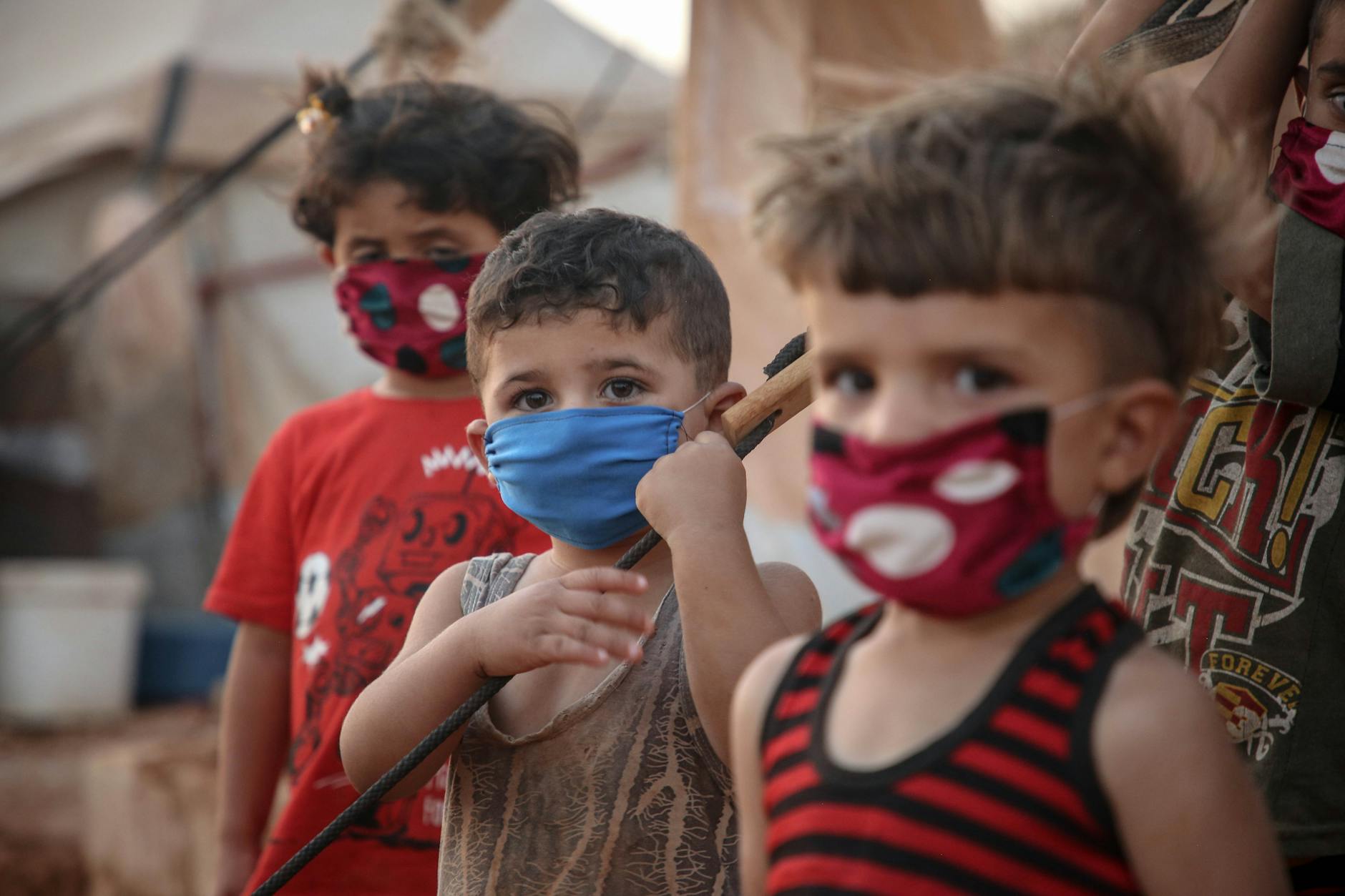
In a world increasingly shaped by migration, the Seventy-ninth World Health Assembly (WHA79) stood as a testament to collective resolve. On its margins, nations and partners converged to address the pressing need for robust health systems catering to refugees and migrants. As conflicts and crises displace millions globally, ensuring their access to healthcare is not just a moral imperative but a strategic necessity.
During this high-level event, participants reaffirmed their commitment to integrating refugees and migrants into national health frameworks. The goal is clear: resilient health systems that are inclusive by design, not by chance. This ambition, however, is not without its challenges. Cultural barriers, resource constraints, and policy bottlenecks persist.
Dr. Tedros Adhanom Ghebreyesus, Director-General of WHO, emphasised the importance of a rights-based approach. "Healthcare must be a sanctuary, not a privilege. Our aim is to bridge gaps, ensuring no one is left behind," he remarked. WHO's collaboration with the International Organization for Migration and the UNHCR is pivotal in translating these commitments into tangible actions.
The Road Ahead
WHO continues to set global standards for the health of refugees and migrants, co-developing guidance to inform policy and practice. Recent initiatives, such as the Global School on Refugee and Migrant Health, underscore the importance of education and leadership in overcoming the barriers that refugees face.
The stakes are high. With over 1200 participants from 143 countries, the school highlighted persistent obstacles while offering a platform for shared learning and innovation.
Looking forward, the focus will remain on fostering inclusive policies that integrate the health needs of migrants and refugees into national agendas. This is not merely a health issue but a broader socio-economic challenge that demands coordinated global action.