Global Reactions Intensify Amid US-Israel Conflict with Iran
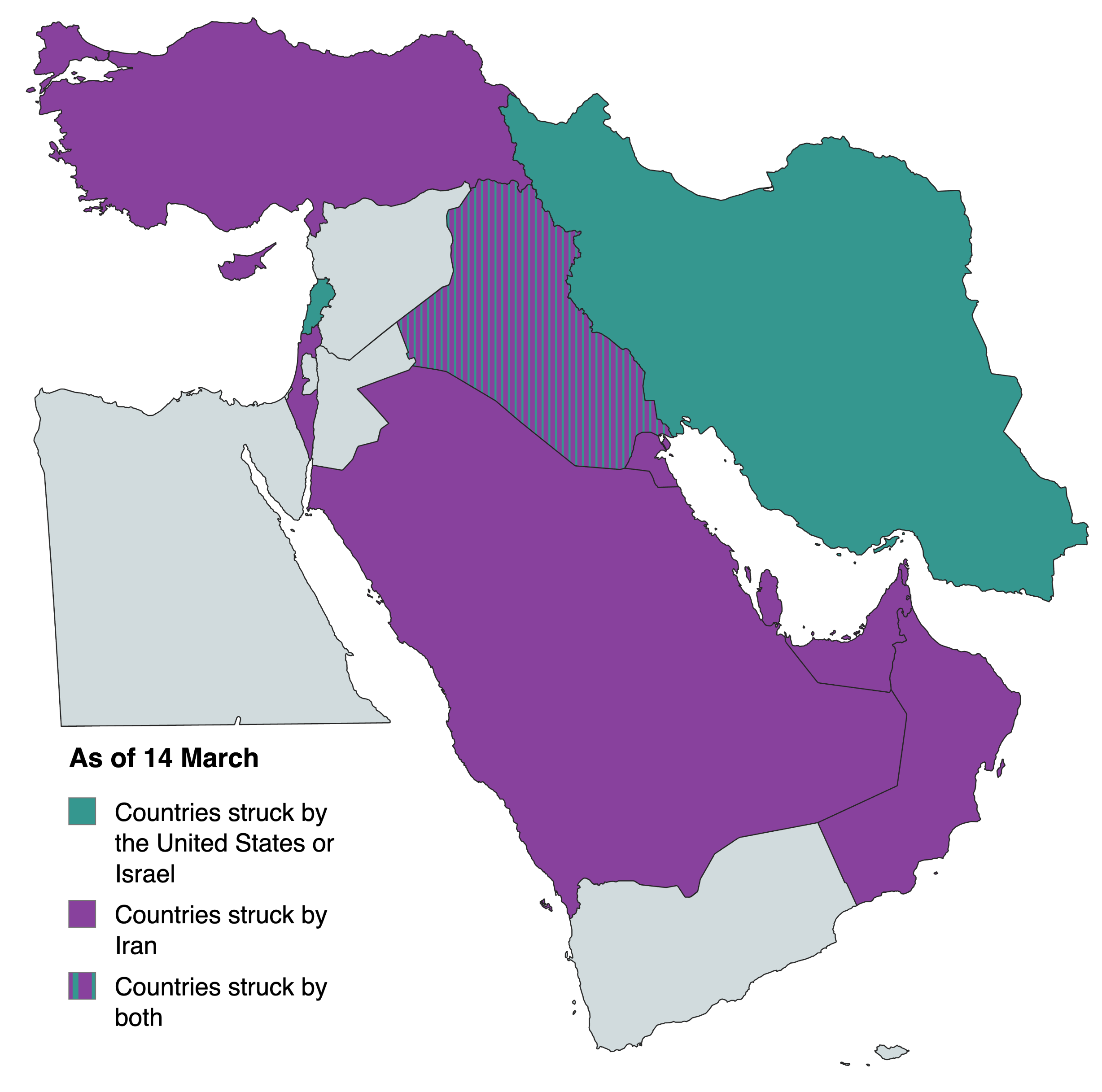
The simmering tensions between the United States and Israel on one side, and Iran on the other, have once again thrown the Middle East into turmoil, with ripple effects felt across the globe. The military operation, initiated by the US and Israel on 28 February 2026, has not only reignited old hostilities but also strained the delicate balance of international relations.
In the first salvo, Iran responded with a barrage of strikes targeting Israel, US bases, and several US-allied Arab nations in the Gulf. The subsequent closure of the Strait of Hormuz, a critical artery for global oil shipments, has further exacerbated an already volatile market. Oil prices have surged, leaving countries worldwide scrambling to manage the economic fallout.
Amidst this chaos, diplomatic voices have emerged, urging a peaceful resolution. Pakistan has notably stepped into the breach, mediating talks between the warring parties in a bid to quell the hostilities. The precarious situation has also drawn attention to Lebanon, where the conflict has spilled over, leading to renewed violence despite a ceasefire agreement on 16 April.
The international community's reactions have varied, with some nations expressing concern over the escalation and others focusing on their domestic economic impacts. The US and Iran have agreed to a conditional ceasefire, set to last two weeks from 7 April, offering a temporary respite in an otherwise bleak outlook.
For many, the conflict underscores the precariousness of geopolitical alliances and the ease with which regional disputes can spiral into global crises. As the world watches anxiously, calls for diplomacy and restraint echo louder, but the path to peace remains fraught with challenges.