GM's Bold Battery Bet: A New Era for AI Data Centres
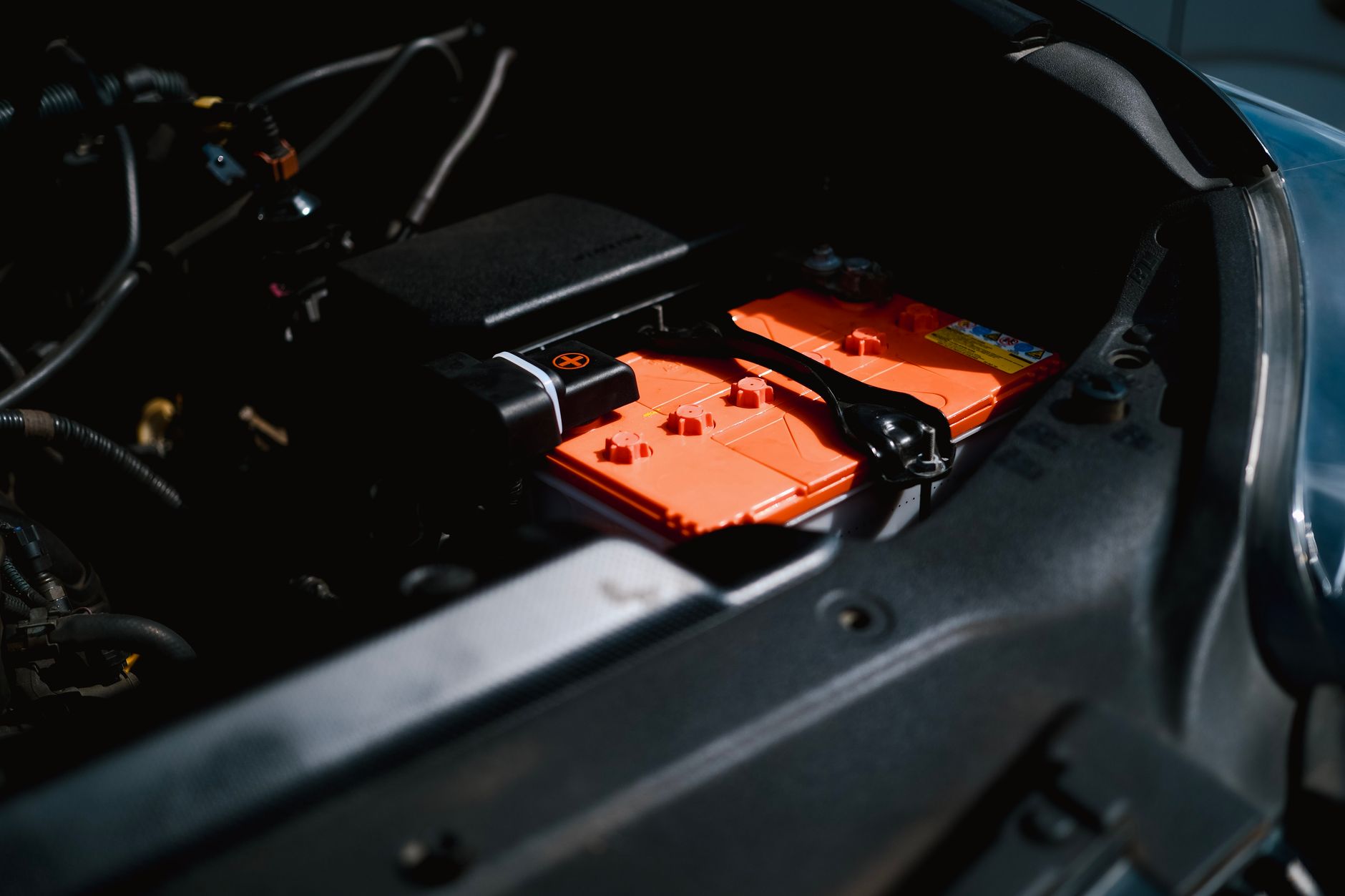
In a decisive shift from its automotive roots, General Motors is steering into the energy storage sector, unveiling a partnership with startup Peak Energy. Together, they are crafting a new sodium-ion battery chemistry specifically designed to meet the demands of AI data centres and grid-scale energy storage.
This collaboration aims to address the infrastructure needs of power-hungry AI technologies, which require robust energy solutions. Sodium-ion batteries, known for their ability to function without the complexities of active cooling systems, present an innovative solution. This approach not only simplifies system architecture but also reduces operational costs—a boon for data centres seeking efficiency.
Strategic Diversification
GM's venture into energy storage mirrors a broader industry trend. With electric vehicles paving the way, legacy automakers like Ford are repurposing their battery production capabilities to tap into stationary energy applications. This move highlights a strategic diversification, positioning automakers as pivotal players in the burgeoning energy sector.
The partnership with Peak Energy is particularly noteworthy. As a startup focused on energy storage solutions, Peak Energy brings fresh perspectives and agility, complementing GM's extensive research and development prowess. Their joint effort could set new benchmarks in energy storage efficiency and sustainability.
Implications for the Future
Beyond data centres, GM's battery innovations hold potential for broader applications, including stabilising electricity grids. Their vehicle-to-grid capability, recently announced for electric vehicle owners, exemplifies the integration of automotive and energy storage technologies. This synergy could prove crucial as the world grapples with increasing energy demands and the push for renewable sources.
While GM's foray into this territory is ambitious, it aligns with a global shift towards sustainable energy solutions. The success of this venture could influence both the automotive and energy industries, reinforcing the role of technology in addressing contemporary energy challenges.