GM's Bold Move: New Battery Chemistry for Data Centres
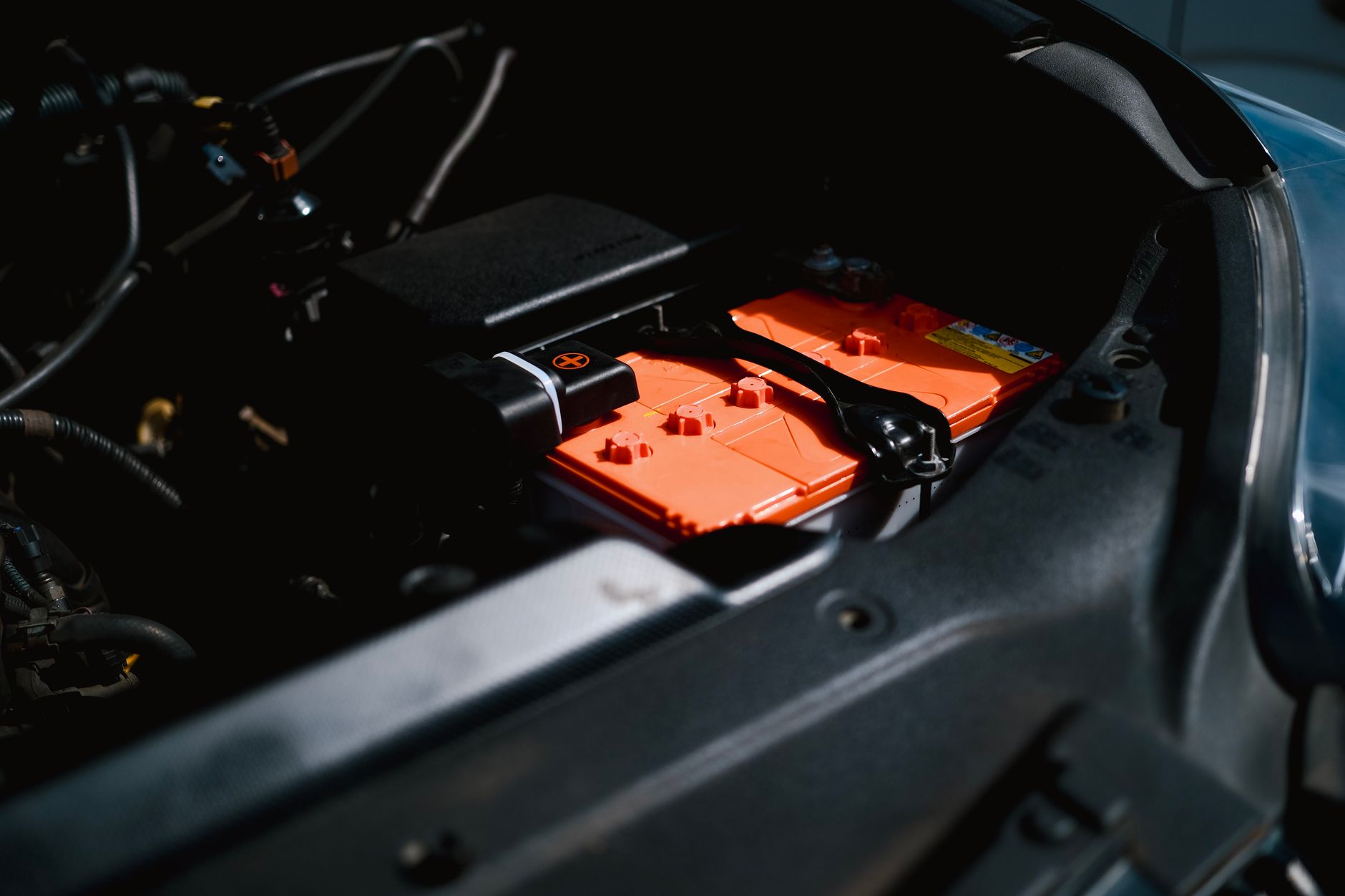
With the automotive world watching, General Motors is steering its course into the uncharted waters of battery technology, unveiling plans to advance sodium-ion battery chemistry. This move is more than just a technical upgrade; it's a strategic gamble to carve out a significant slice of the burgeoning energy storage market, particularly for AI-driven data centres.
For a company traditionally known for its cars, venturing into the intricacies of battery chemistry marks a notable shift. The sodium-ion technology, poised to complement GM's existing Ultium and LMR offerings, promises to bring cost-effective and efficient energy solutions to data centres, utilities, and even its own production facilities.
As artificial intelligence continues to drive data processing demands skyward, the need for robust energy storage solutions is becoming ever more critical. Data centres, the backbone of digital infrastructure, require reliable power to maintain uptime and efficiency. GM's foray into this sector is not just about selling batteries; it's about offering a comprehensive energy strategy that could redefine how data centres operate.
GM's decision to focus on battery chemistry innovation comes at a time when competition in the energy storage arena is heating up. Tesla and Ford, both well-established names in the space, are likely to feel GM's presence as the company leverages its automotive expertise to innovate in the energy sector.
By investing in new chemistry, GM is not only enhancing its product offerings but also positioning itself as a forward-thinking leader capable of adapting to and anticipating technological trends. This diversification signifies a broader vision for GM, one that extends beyond vehicles to encompass the very energy solutions that power our increasingly digital world.