Google's Strategic Move: Rivaling Nvidia in AI Chip Market
In the high-stakes world of artificial intelligence, Google has charted a course that positions it as a formidable contender against Nvidia, the longstanding leader in AI chips. By deploying a strategy reminiscent of Nvidia's own playbook, Google is not just entering the fray but is aiming to redefine it.
Google's focus on its Tensor Processing Units (TPUs) marks a significant pivot. Previously, these chips were primarily utilised to enhance Google's own products, such as its search engine. However, recognising the burgeoning demand for AI capabilities across industries, Google has begun offering these TPUs to other companies via its Cloud platform. This move has already spurred rapid growth within Google's Cloud business.
To bolster its position, Google has teamed up with Marvell Technology, investing heavily in its TPU strategy. This alliance is not just about technical prowess but also about strategic financial manoeuvres. By providing financial guarantees and engaging in circular financing—tactics eerily similar to those employed by Nvidia—Google is working to win over customers who may have been previously loyal to Nvidia's GPUs.
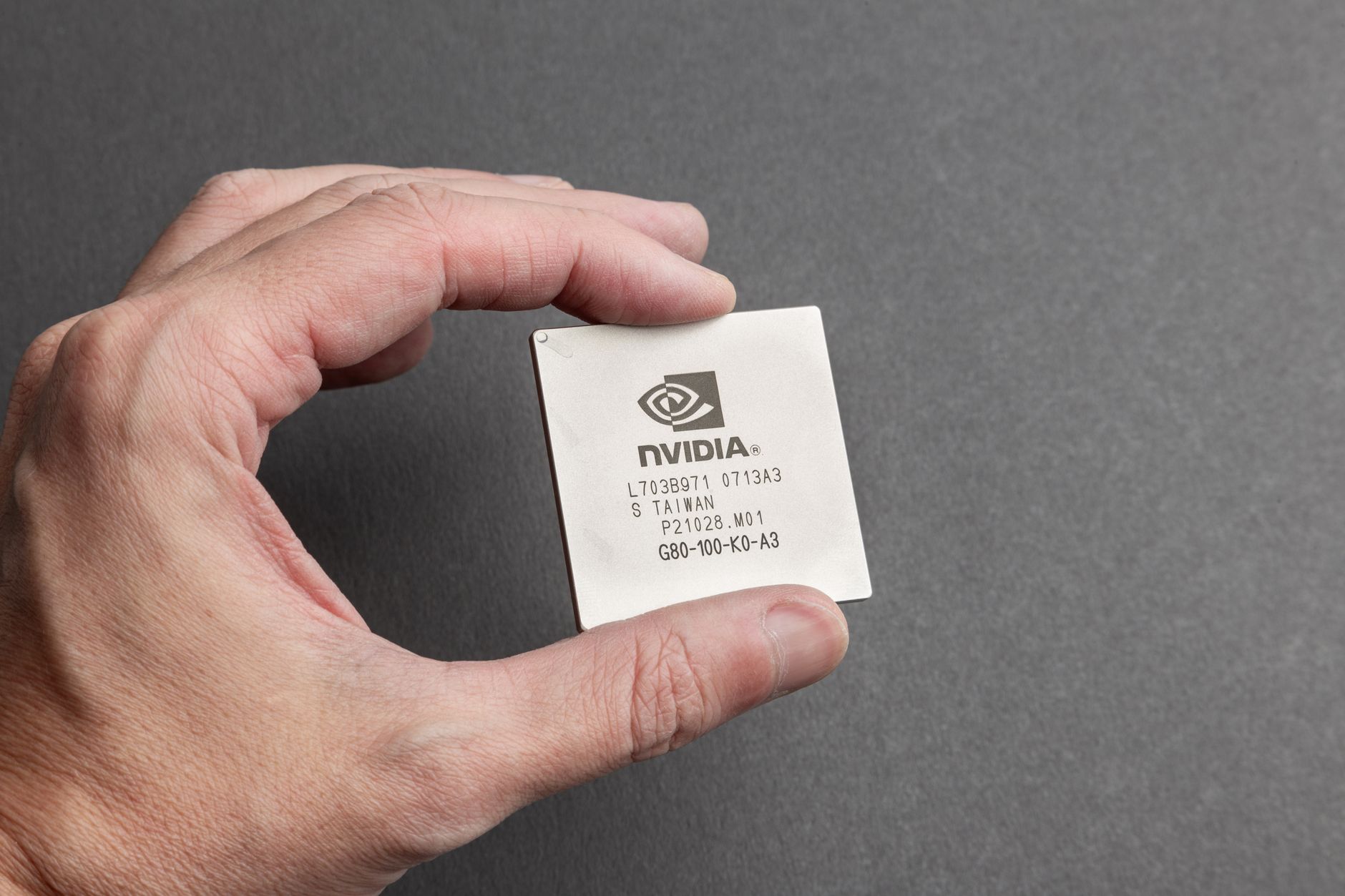
Nvidia's dominance, with over 90% control of the AI chip market, is a formidable challenge. However, Google's approach could disrupt this equilibrium. While Nvidia CEO Jensen Huang has publicly downplayed the threat, citing Nvidia's wider market reach, the fact remains that Google's entry could introduce a new dynamic to the competitive landscape.
Implications for the AI Chip Market
The implications of Google's strategy are profound. It signifies a shift not only in how tech giants compete but also in how they perceive the future of AI development. As more companies seek to harness AI, the availability of diverse and competitive chip options becomes crucial.
Moreover, Google's approach may encourage other tech firms to enter the AI chip fray, diversifying the market further and potentially driving innovation. Such competition could lead to breakthroughs that might otherwise remain unrealised in a market dominated by a single player.
As Google continues to build its AI chip business, the industry watches closely. Whether Google can indeed loosen Nvidia's grip remains to be seen, but its strategic moves have undoubtedly set the stage for an intriguing battle in the AI chip arena.