Green Light for New Ozone Science Lab Sparks Hope and Curiosity
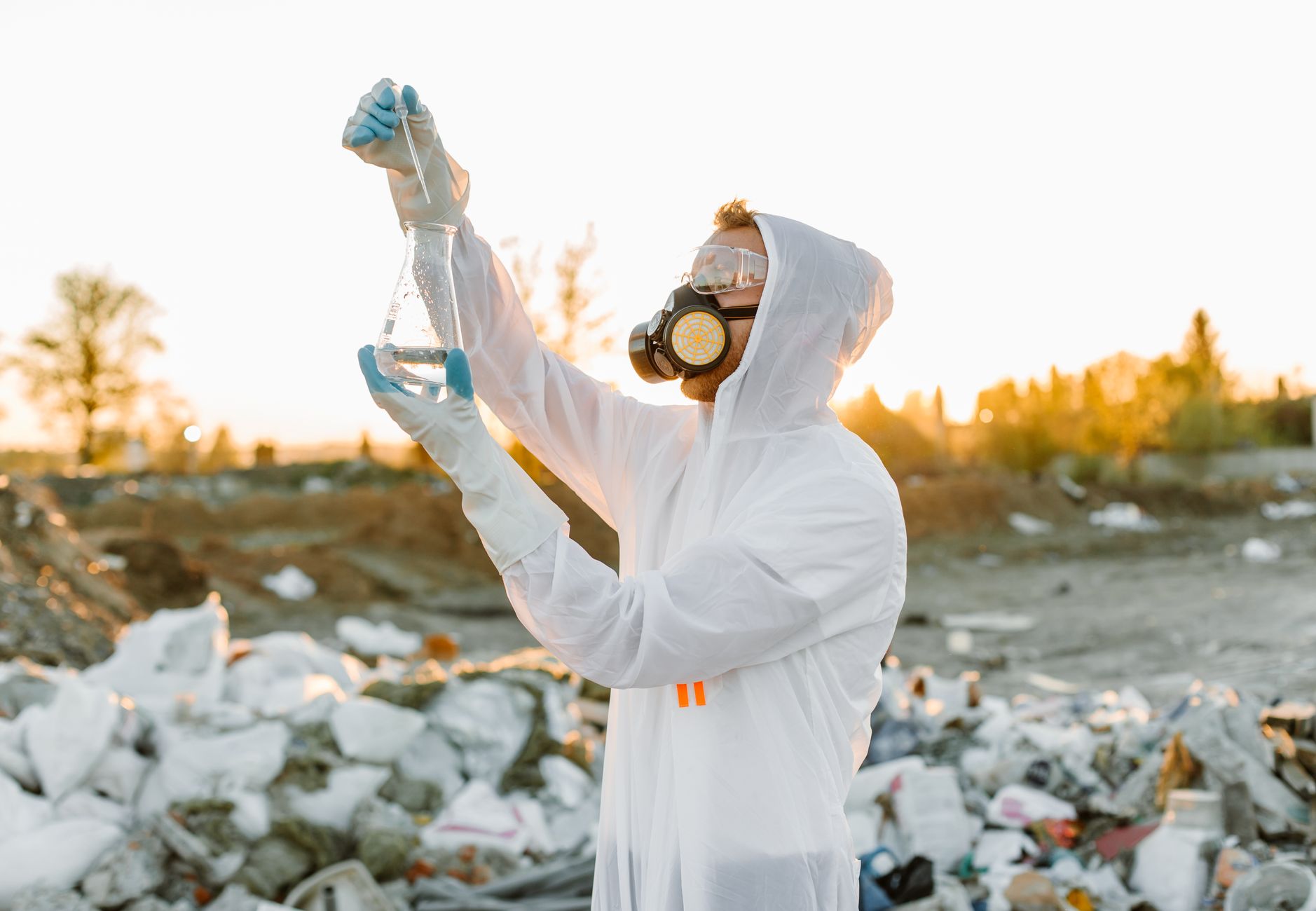
In a move that could redefine atmospheric science, the long-awaited development of a cutting-edge ozone science lab is poised to receive formal approval. The facility promises to unlock new frontiers in understanding ozone depletion, a subject that has long preoccupied scientists and policymakers alike.
The lab, set to be constructed at a strategically chosen location, will delve into the intricacies of ozone chemistry and dynamics. This project is not merely about constructing a building; it's about constructing hope. With advanced instrumentation and a team of multidisciplinary experts, the lab aims to unravel the complex interactions between human activity and the ozone layer.
Why Ozone Matters
Ozone, a vital component of the Earth's stratosphere, plays a crucial role in shielding the planet from the sun's harmful ultraviolet radiation. The depletion of this layer has been linked to increased rates of skin cancer and cataracts, as well as adverse effects on ecosystems.
While international agreements like the Montreal Protocol have successfully curbed the production of ozone-depleting substances, the subtle changes in atmospheric composition continue to pose challenges. This new lab is expected to provide critical insights into these changes, informing future international environmental policies.
Collaboration and Innovation
The approval of the ozone lab underscores the importance of global scientific collaboration. By bringing together leading researchers from around the world, the facility aims to foster an environment of shared knowledge and innovation. It is a testament to the power of collective endeavour in addressing global challenges.
As climate change continues to dominate the global agenda, initiatives such as this lab are vital. They represent a commitment to understanding the intricacies of our planet and finding sustainable solutions to protect it. The coming months will be crucial as the final touches are put on the approval process, paving the way for a new era in atmospheric science.