Green Light for Varanasi-Kolkata Expressway Amidst Environmental Concerns
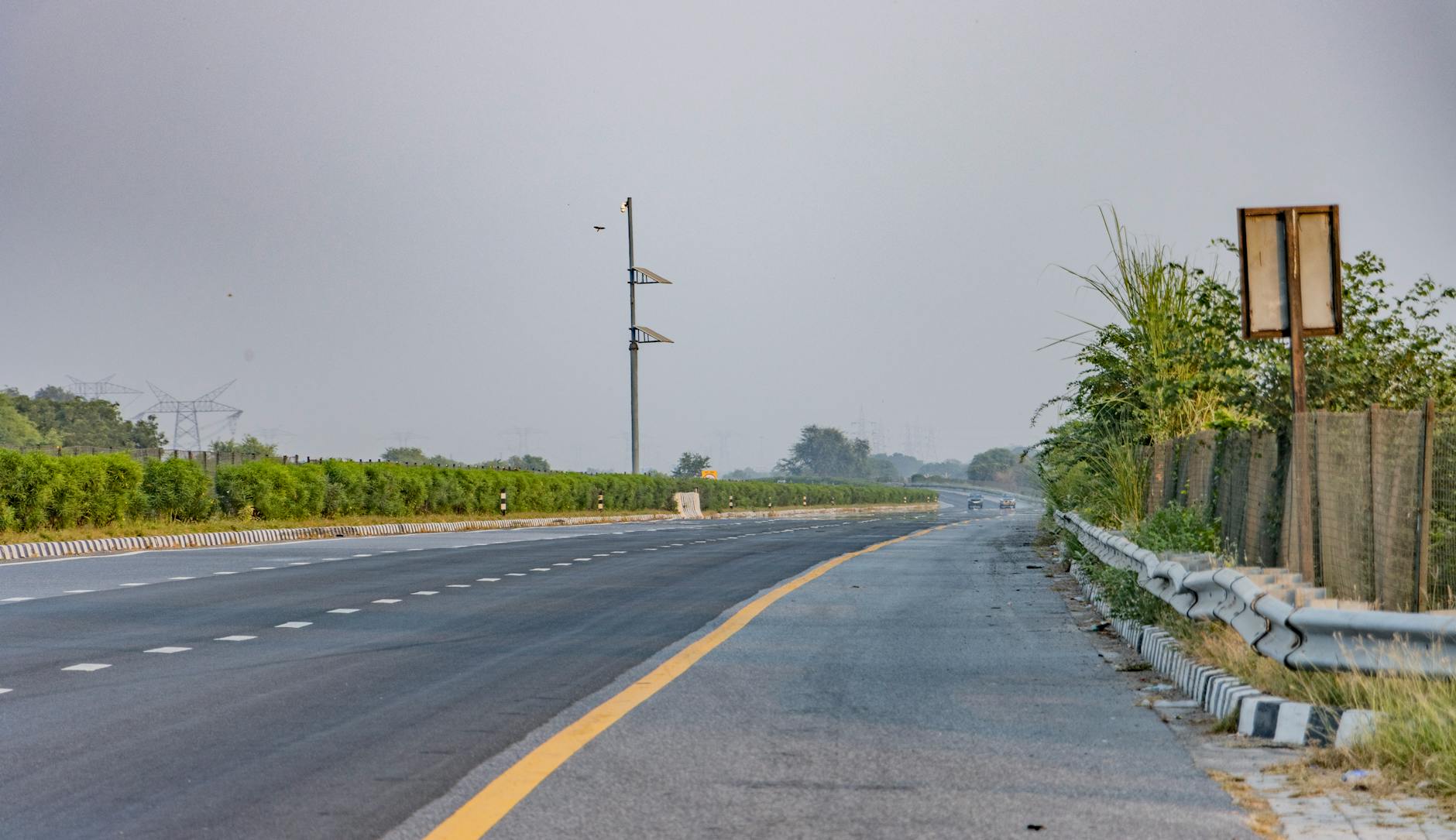
In what has become a recurring theme in India's development story, the Environment Ministry's expert panel has given the nod to a significant expressway project, despite the ecological cost it entails. The Varanasi-Kolkata expressway, stretching over 235 kilometres, promises to cut travel time dramatically between two of India's most vibrant cultural capitals.
This ambitious project, which forms part of the larger Bharatmala Pariyojana initiative, is set to unify the historic cities of Varanasi and Kolkata. Currently, it takes the better part of a day to travel between these two metropolises, but with the new expressway, this journey could be reduced to a mere 7-8 hours, according to projections. This change is expected to invigorate not just tourism, but also trade and commerce along its route.
Environmental Concerns Loom Large
However, the expressway's approval has not been without controversy. The project necessitates the diversion of over 103 hectares of reserved and protected forest land in West Bengal. This area forms a crucial part of the region's biodiversity, serving as a habitat for numerous species, including tigers. Environmentalists have voiced their concerns about the potential disruption to these ecosystems and the long-term consequences of such development.
The government, while acknowledging these concerns, argues that the expressway will be a crucial artery for economic development in the region. Proponents highlight the improved connectivity between major cities and the potential economic benefits, including job creation and increased accessibility to markets and resources.
Balancing Progress and Preservation
The challenge, as ever, lies in striking a balance between the undeniable need for infrastructure and the equally pressing need for environmental conservation. As India races towards modernisation, projects like the Varanasi-Kolkata expressway will test the country's ability to manage its natural resources responsibly.
The expressway is slated for completion by 2027, a timeline that will no doubt be watched closely by both its supporters and detractors. How India manages the delicate dance between development and environmental sustainability will set a precedent for future projects of this scale.