Gujarat Embraces South Korean Tech with Innovative Rubber Dams
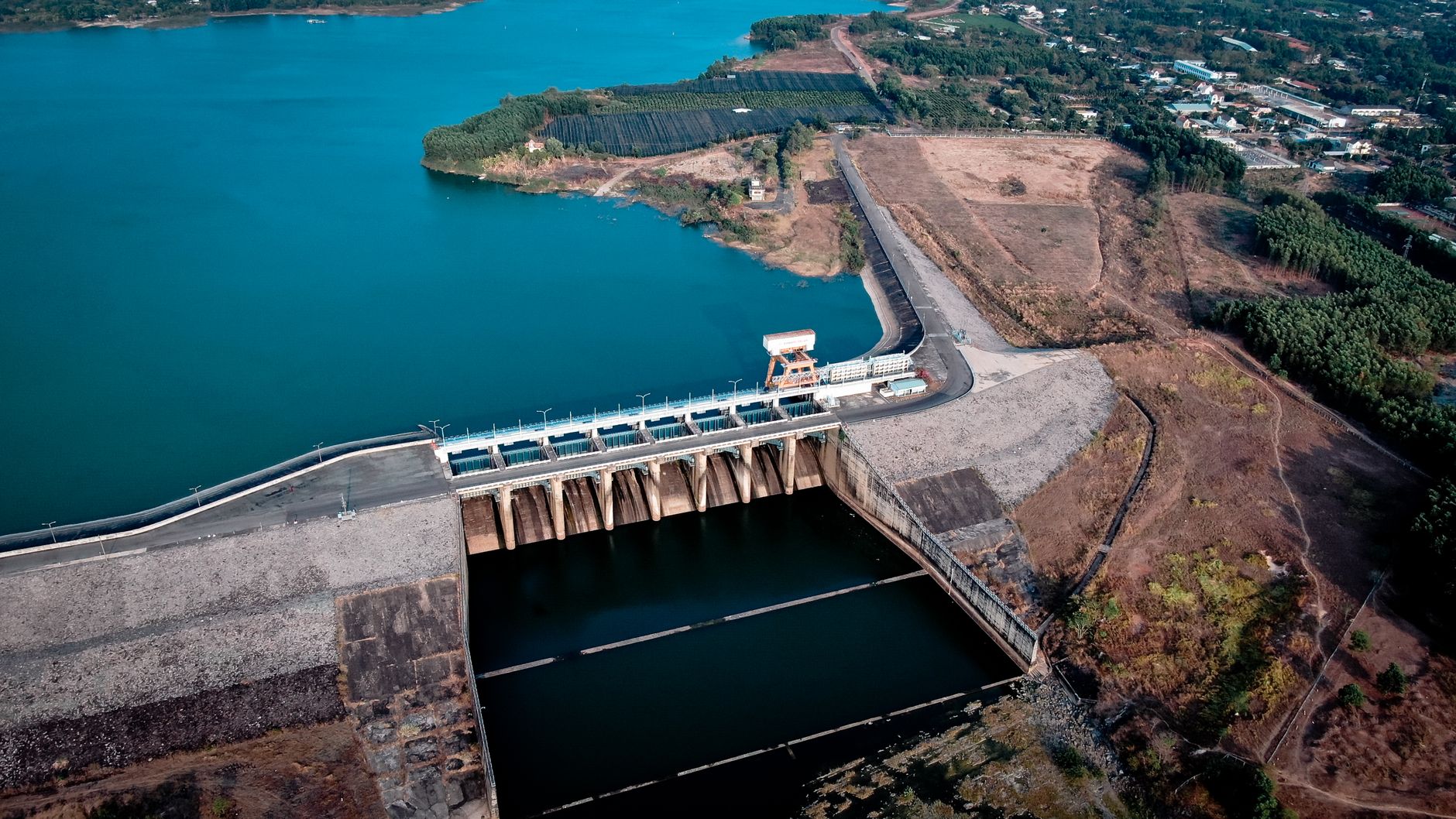
In a bold step towards modern water management, Gujarat is constructing its first two air-filled rubber dams, employing advanced technology sourced from South Korea. This pioneering initiative, valued at over ₹160 crore, aims to transform water storage and flood control in the Chhota Udepur and Tapi districts.
Positioned strategically on the Heran River in Chhota Udepur and the Ambika River in Tapi, these inflatable rubber dams represent a significant leap in engineering within the state. By utilising this technology, the dams can be inflated or deflated as needed, offering flexibility in water management that traditional dams simply cannot match.
Technological Leap
The rubber bladder technology, a hallmark of South Korean innovation, allows for the dams to adapt swiftly to changing water levels. This adaptability not only aids in effective flood management but also enhances irrigation capabilities and supports groundwater recharge efforts. This is particularly crucial in a region where water scarcity and flooding have posed perennial challenges.
Gujarat's decision to invest substantially in such infrastructure underscores a broader trend of adopting cutting-edge solutions to address environmental and agricultural needs. As the state grapples with the impacts of climate change, these dams are poised to provide a resilient response to erratic rainfall patterns and water shortages.
Implications for the Future
Beyond the immediate technological benefits, the construction of these dams is expected to have far-reaching socio-economic impacts. Improved water management will support local agriculture, a primary livelihood for many in these districts, thereby contributing to greater food security and economic stability.
Moreover, the success of these projects could pave the way for similar initiatives across India, where water management remains a critical concern. The collaborative venture with South Korea exemplifies how international partnerships can drive innovation and sustainable development.
As these rubber dams rise, they carry with them the hopes of a region seeking to harmonise its rich agricultural heritage with modern technological advancements. If successful, Gujarat's experiment could well become a model for other states, balancing tradition with progress to secure a stable and prosperous future.