Hantavirus Alert: WHO Cautions 12 Nations Following Cruise Ship Cases
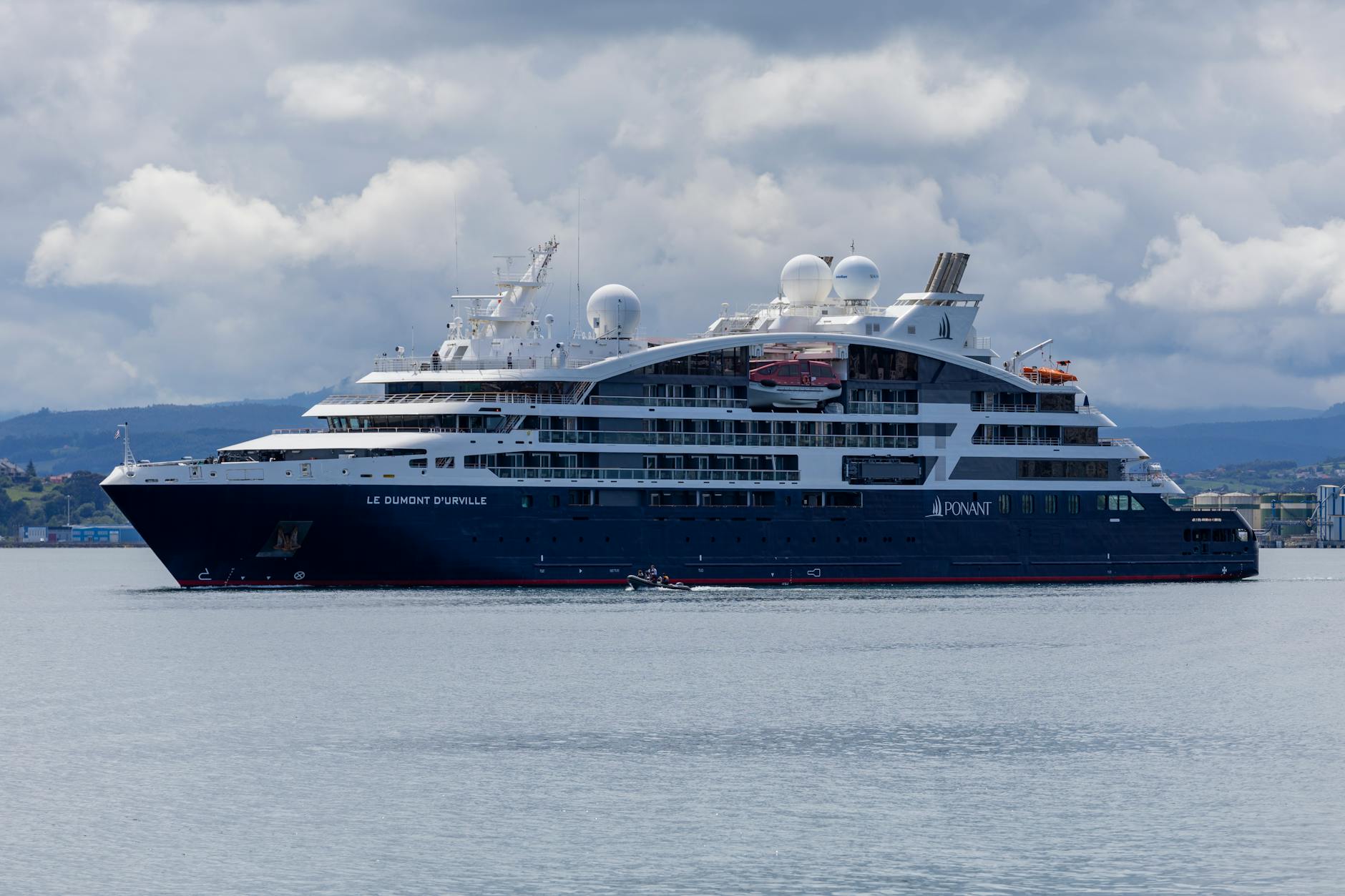
In the midst of global health concerns, the World Health Organisation has sounded an alarm over a hantavirus outbreak linked to a South Atlantic cruise ship. The MV Hondius, which has been at the centre of this unfolding drama, reported five confirmed cases, tragically resulting in three fatalities. This development has prompted a swift response from health agencies across the globe, particularly in light of the virus's rare but possible person-to-person transmission.
The cruise ship, which had docked at St. Helena on April 24, has become the focal point of international attention. The confirmed strain, identified as the Andes virus, is notorious for its severe respiratory implications. As the ship's passengers disembarked, they unwittingly carried the potential for wider transmission.
Tracing the Travellers
Authorities in the 12 countries warned by WHO are now engaged in a frantic search for those who may have come into contact with the virus. The passengers of the MV Hondius, who have since dispersed across continents, represent a significant challenge in terms of containment.
South African health specialists have been among the first to identify the strain, underscoring the urgency with which the situation is being handled. Hospitals in Europe have also begun receiving patients from the ship, as efforts to curb the outbreak intensify.
Despite its rarity, the hantavirus has long been a subject of concern among epidemiologists. Primarily transmitted through contact with rodent excreta, the virus's spread in confined environments like a cruise ship raises substantial public health questions.
Global Response and Future Implications
The WHO's swift action highlights the interconnected nature of global health in today's world. The hantavirus outbreak, albeit limited in scale compared to recent pandemics, serves as a stark reminder of the vulnerabilities inherent in modern travel and tourism.
As countries bolster their health defences, the focus remains on preventing further spread. The case of the MV Hondius may well prove pivotal in shaping future protocols for health screenings and emergency responses aboard international vessels.