Hazaribagh's Illegal Mining: A Breach of Environmental Rights
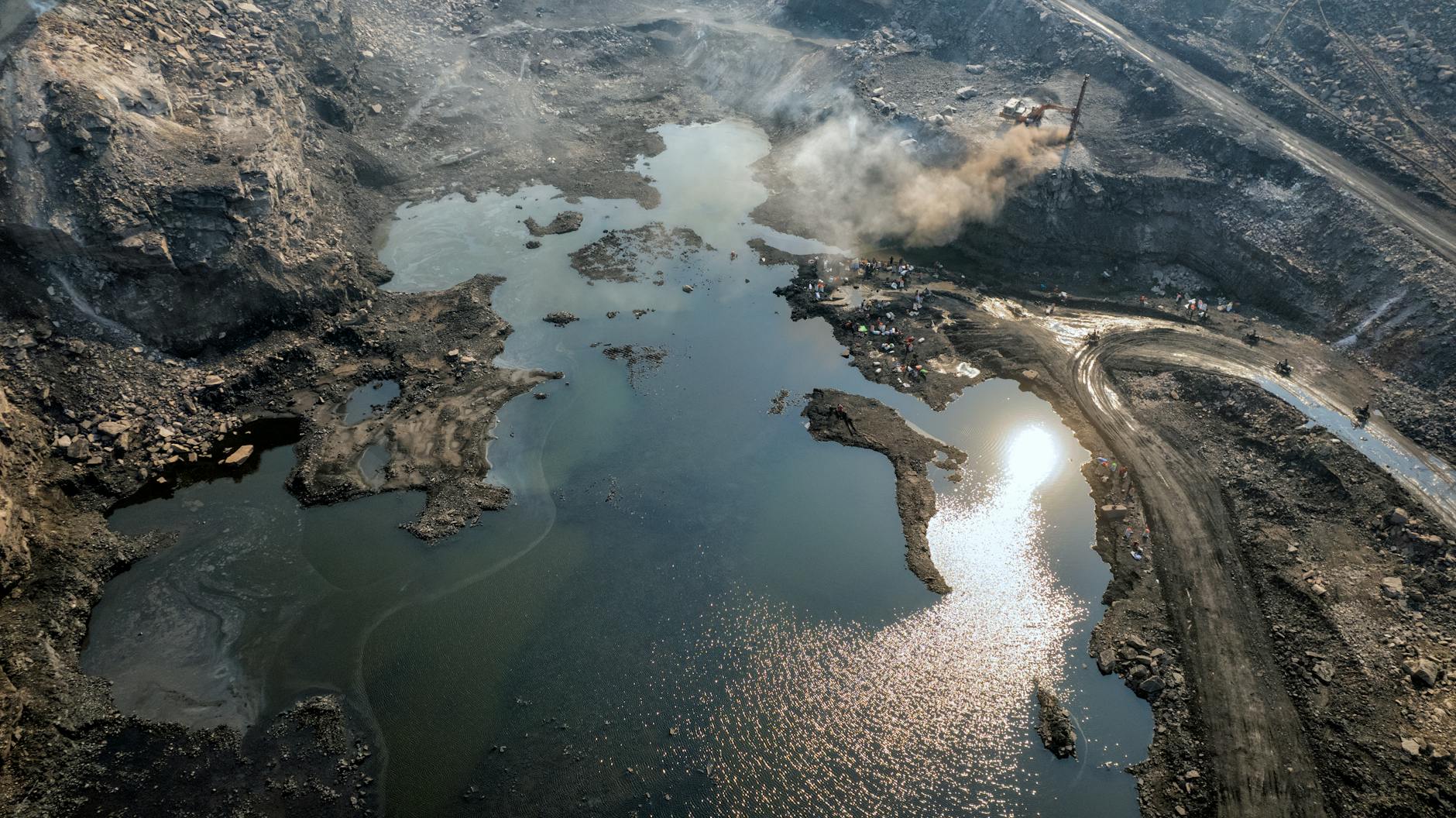
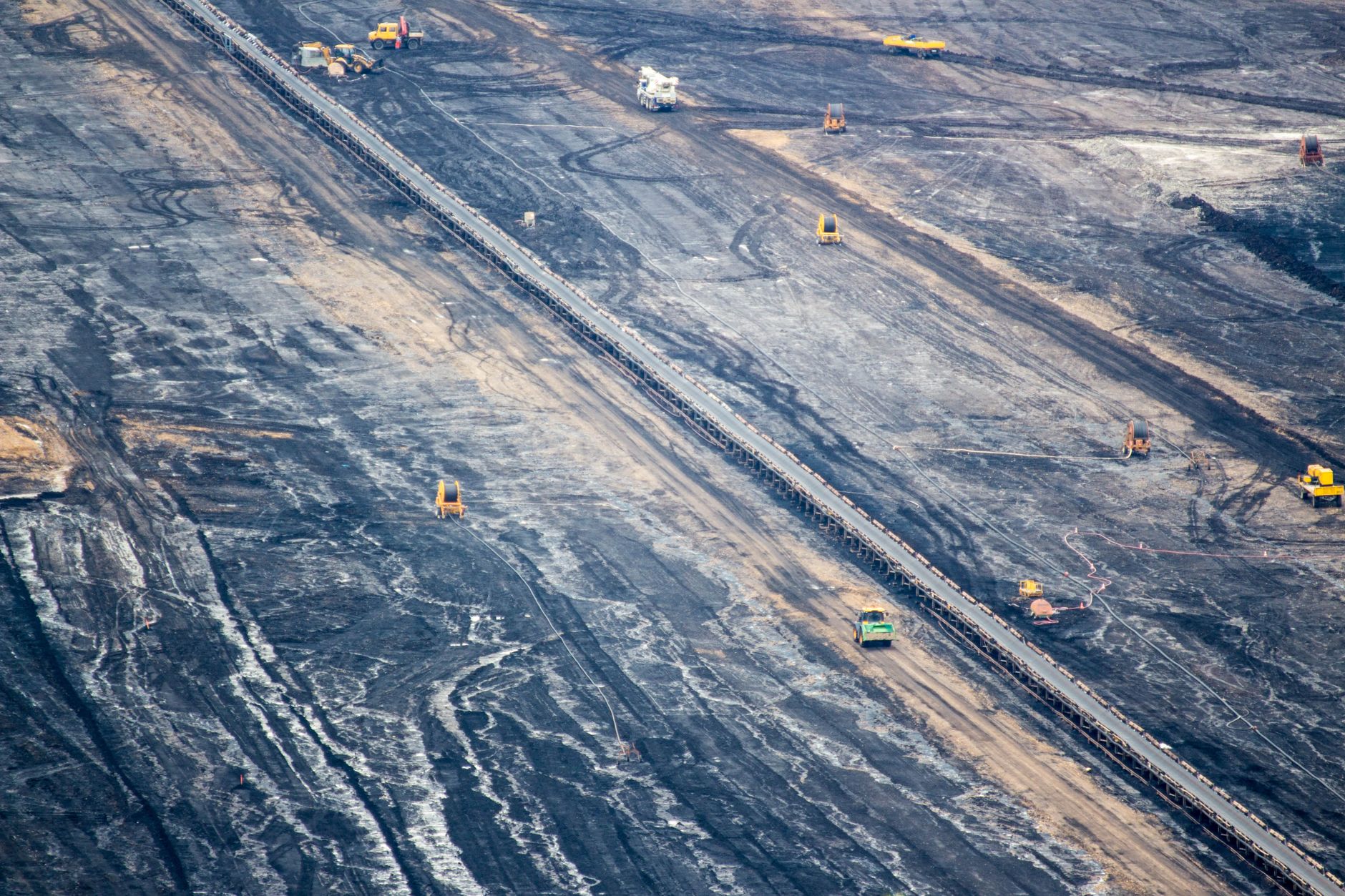
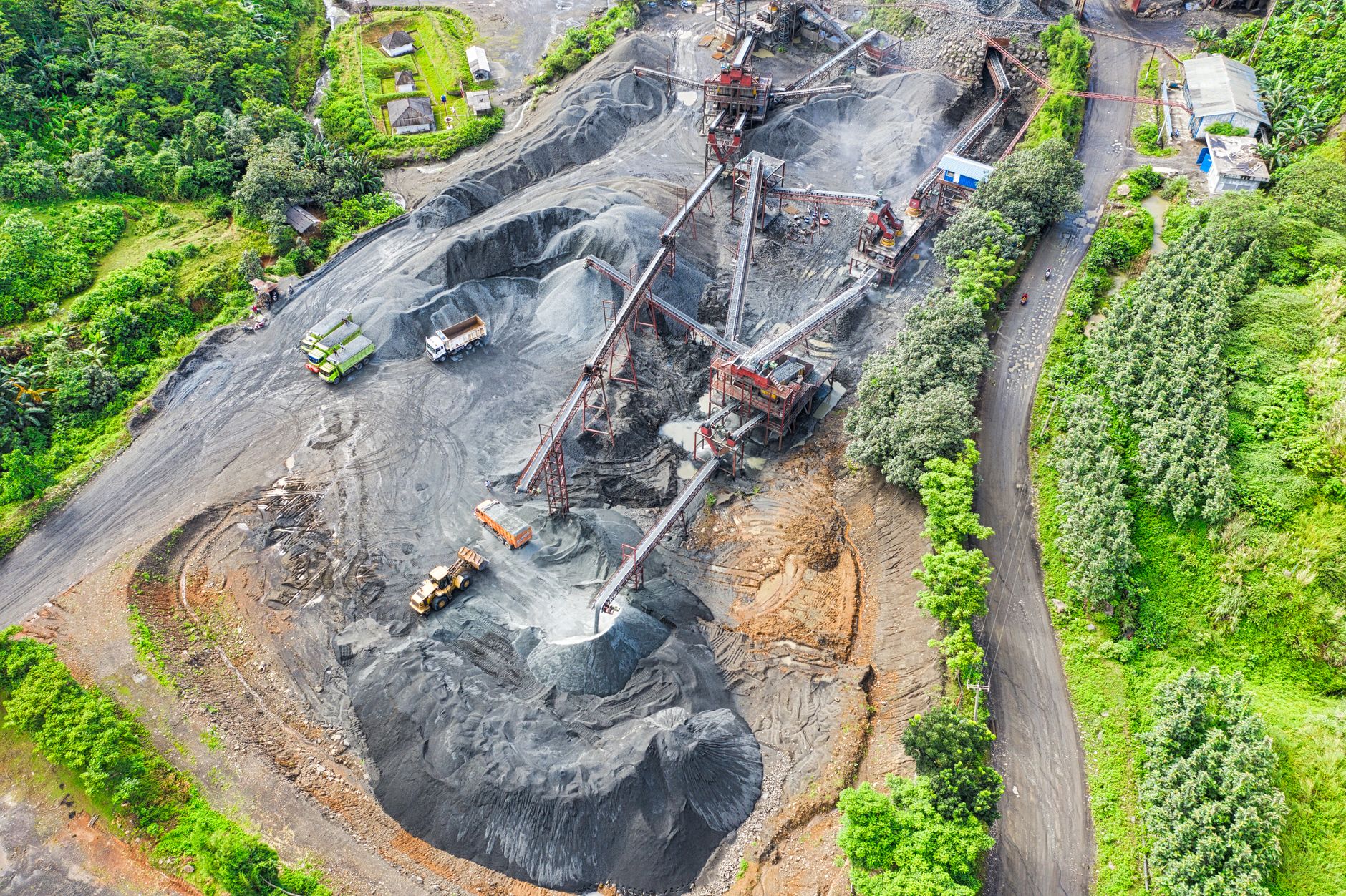
In the verdant hills of Hazaribagh, an environmental battle is being waged. The illegal mining activities in this district of Jharkhand have recently caught the ire of both local communities and the judiciary. In a striking move, the National Thermal Power Corporation (NTPC) has been handed a fine of Rs 409 crore by the Union Environment Ministry, a stark rebuke for its illicit operations in the region.
The encroachments have not only ravaged the landscape but also violated the fundamental right to a clean environment, as enshrined in Article 21 of the Indian Constitution. This right, bolstered by Articles 48A and 51A (g), is not merely a legal obligation but a moral one. The court's decision underscores a broader commitment to these principles, highlighting the importance of environmental stewardship in an era of rapid industrialisation.
Yet, this is not an isolated incident. The saga dates back to 2016 when local villagers vehemently opposed the mining operations that threatened their homes and livelihoods. Protests erupted across Hazaribagh, drawing attention to the plight of those displaced by such ventures. Despite these early warnings, the machinery of profit-driven enterprises continued to grind, often at the expense of local communities.
A Persistent Struggle
The case of Hazaribagh is emblematic of a larger struggle faced by rural India, where environmental degradation often accompanies industrial development. The Jharkhand High Court’s scrutiny of these activities serves as a reminder to state authorities of their duty to enforce environmental laws rigorously. The court's intervention is a clarion call for sustainable development practices that do not sacrifice the well-being of people and the planet for short-term gains.
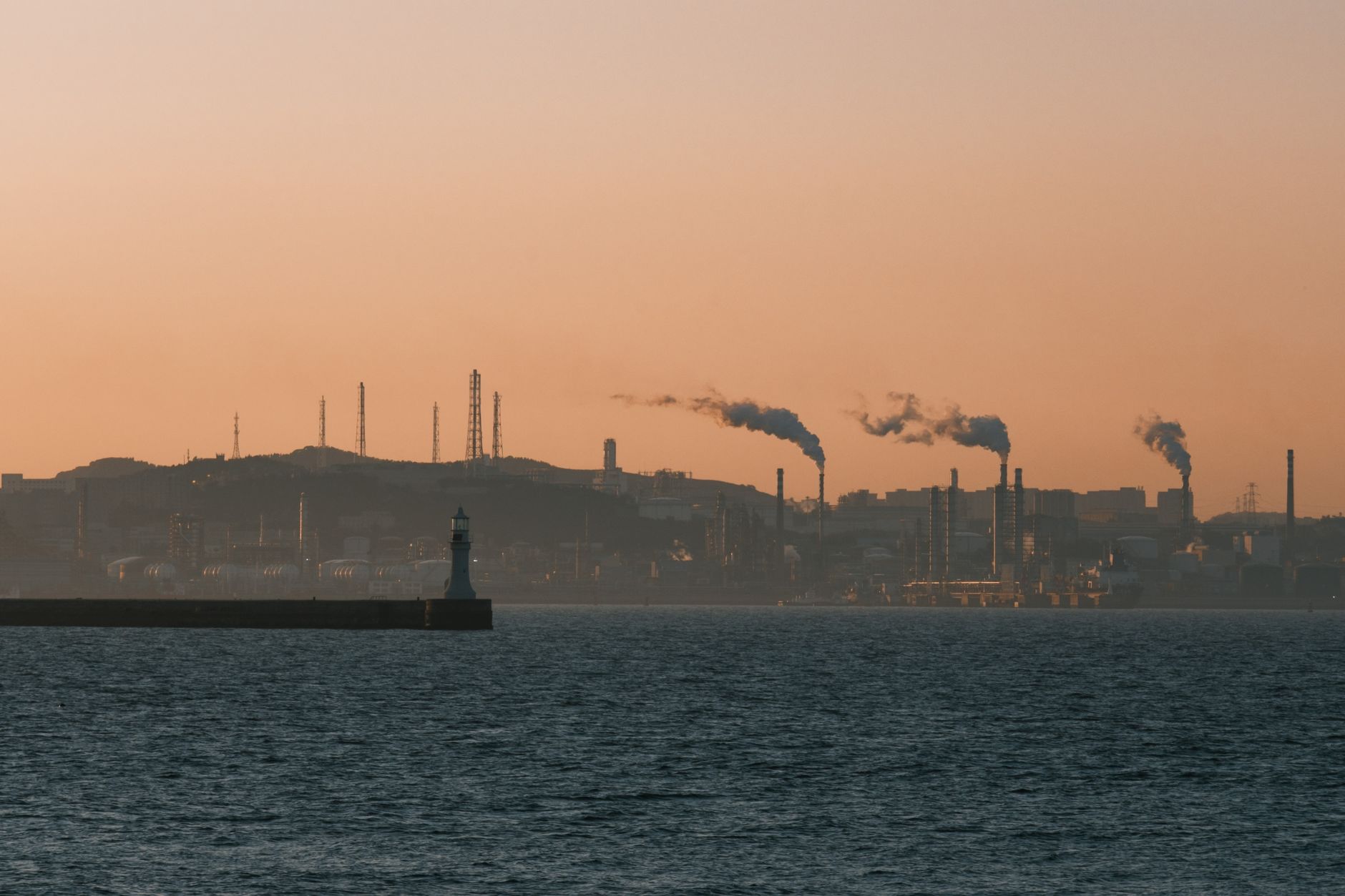
As this case unfolds, it raises critical questions about the balance between economic growth and environmental preservation. While development is essential, it must not come at the cost of sacrificing the air we breathe or the land we cherish. The fine imposed on NTPC, though significant, is but a financial penalty. The true cost of such activities is borne by those who see their natural heritage eroded day by day.
The situation in Hazaribagh is a poignant reminder of the urgent need to reassess our developmental priorities. As the world grapples with climate change, the imperative to protect our environment becomes ever more pressing. It is a challenge that requires introspection, commitment, and action—before it's too late.