Hazaribagh's Illegal Mining: A Threat to Environment and Public Health
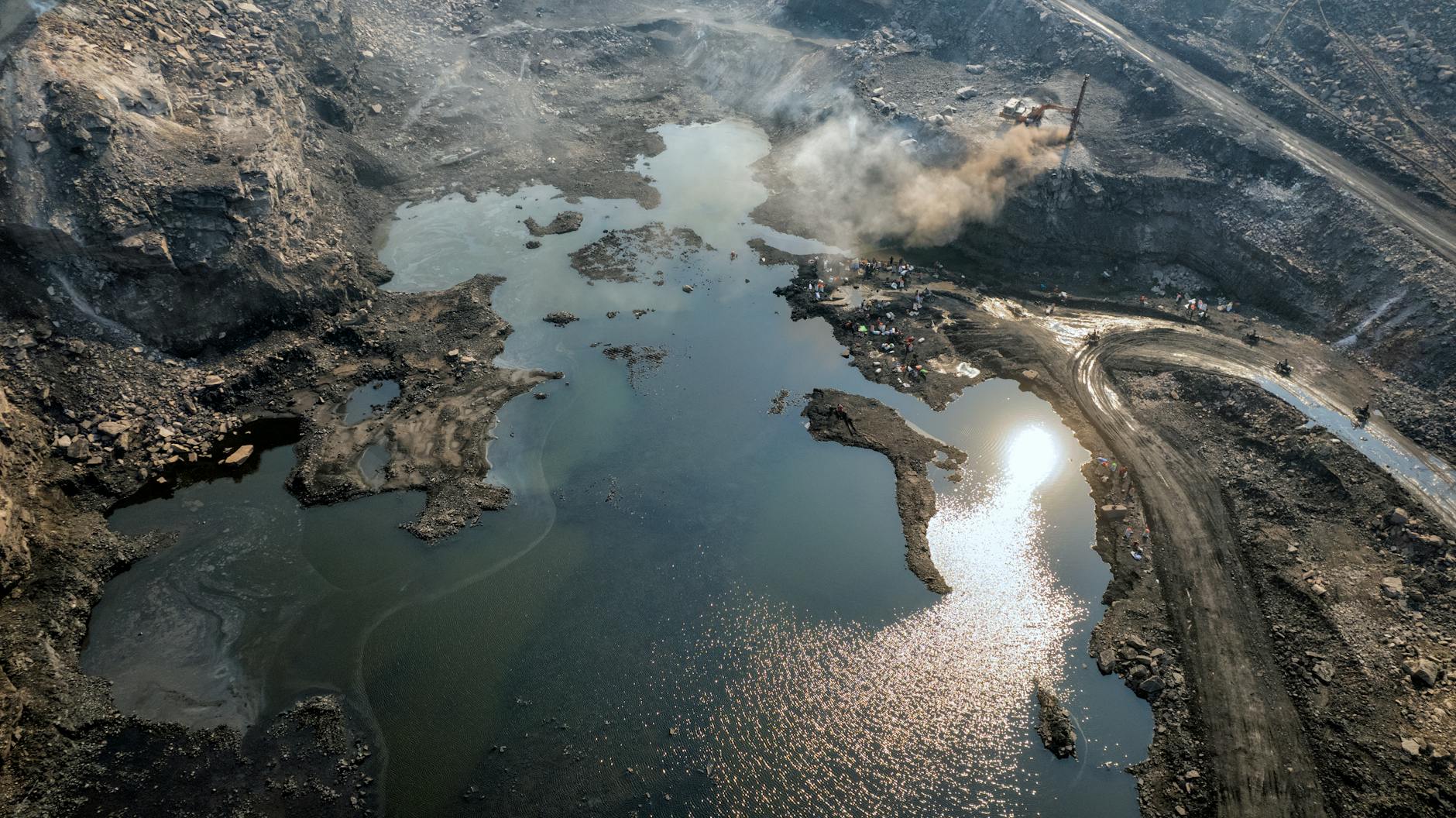
In the verdant hills of Hazaribagh, Jharkhand, a dark shadow looms over the environment as illegal mining activities and non-compliant stone crusher units continue unabated. The Jharkhand High Court has highlighted these concerns, noting that the region's natural resources are being plundered with little regard for the law or the environment.
The court's observation comes at a time when global awareness about environmental sustainability is at an all-time high. Yet here, in the Ichak region, the earth is relentlessly excavated, and the air fills with dust and pollutants. Local authorities seem to have turned a blind eye, allowing this environmental assault to persist.
This isn't merely a local issue. The consequences of such unchecked exploitation extend beyond deforestation and land degradation. The air quality in Hazaribagh has deteriorated, posing serious health risks to its residents. The right to clean air, a fundamental human right, is being compromised.
Legal and Environmental Implications
While the court's stance is commendable, it raises questions about the enforcement of environmental laws. Despite stringent regulations, illegal mining flourishes, much like the situation in Brazil where similar activities have devastated indigenous communities. The parallels are stark, and the lessons are clear.
In Tanzania, a government crackdown on illegal mining is part of a broader initiative to reform the sector. As these countries grapple with their own challenges, Jharkhand's predicament underscores the need for robust policy implementation and vigilant enforcement.
The Road Ahead
Addressing illegal mining requires more than just judicial interventions. It demands a concerted effort from the government, local communities, and environmental activists. Public awareness campaigns could play a pivotal role in educating the populace about the long-term impacts of such activities.
The future of Hazaribagh's environment and its residents' health hinges on decisive action. While the court's observations are a step in the right direction, tangible changes on the ground are imperative. The battle for a sustainable future continues, and the stakes have never been higher.