Hazaribagh's Illegal Mining: A Threat to the Right to Clean Air
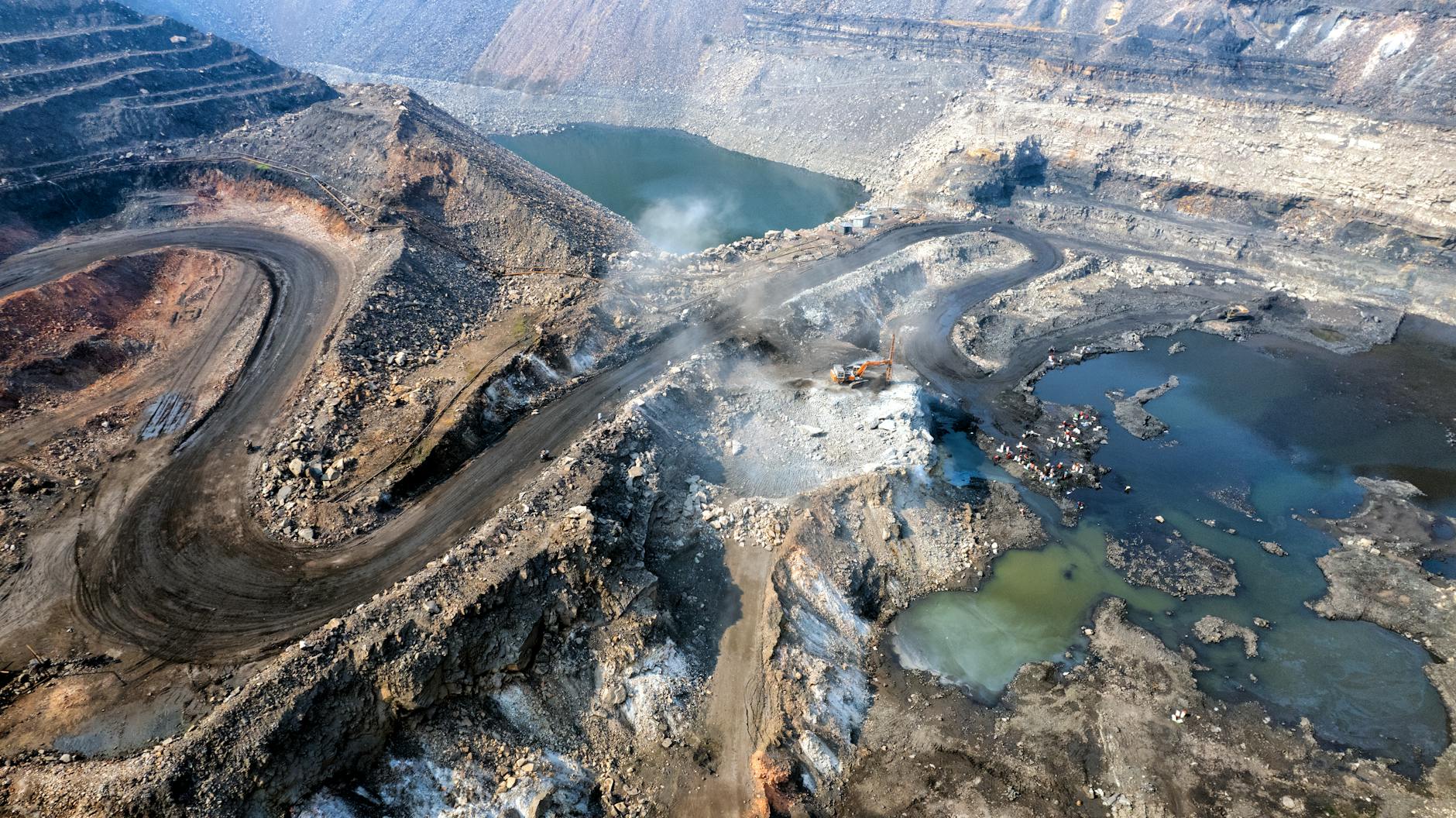
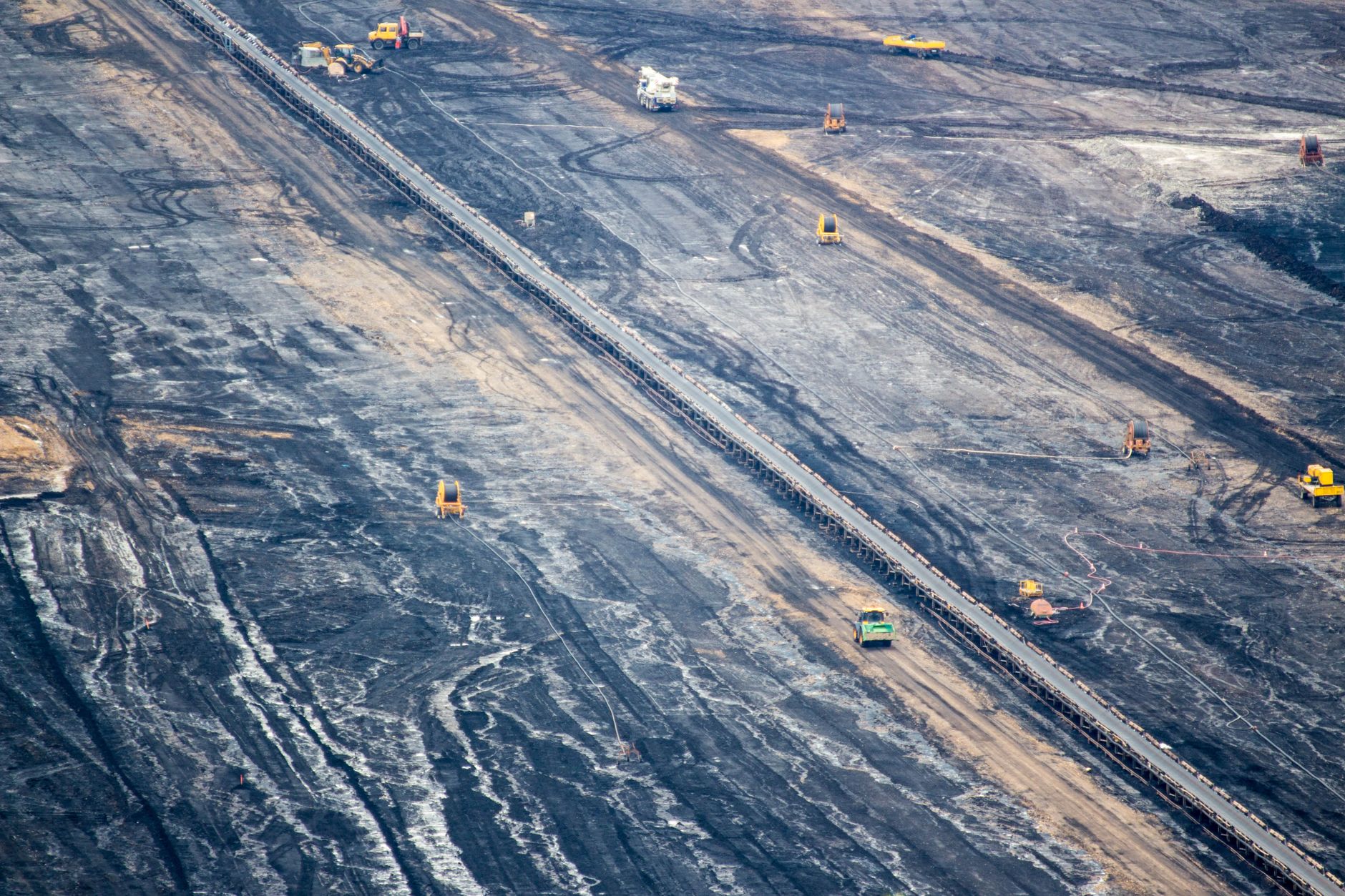
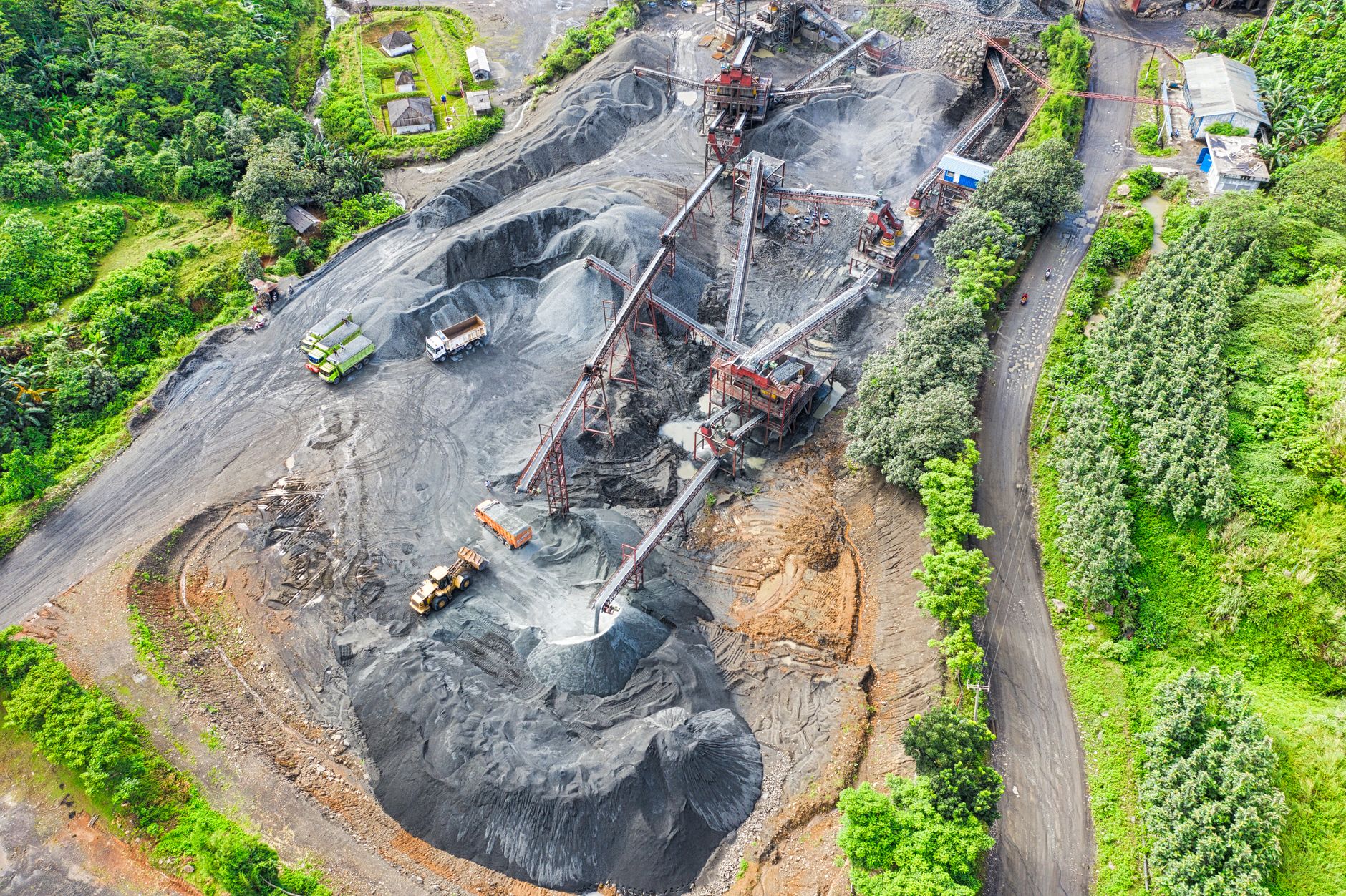
In a forceful rebuke, the Jharkhand High Court has declared illegal mining activities in Hazaribagh's Ichak region a significant threat to the environment and public health. During a recent ruling, the court described these operations as a 'relentless assault on the essential building blocks of life', highlighting the severe ecological damage wrought by non-compliant stone crusher units.
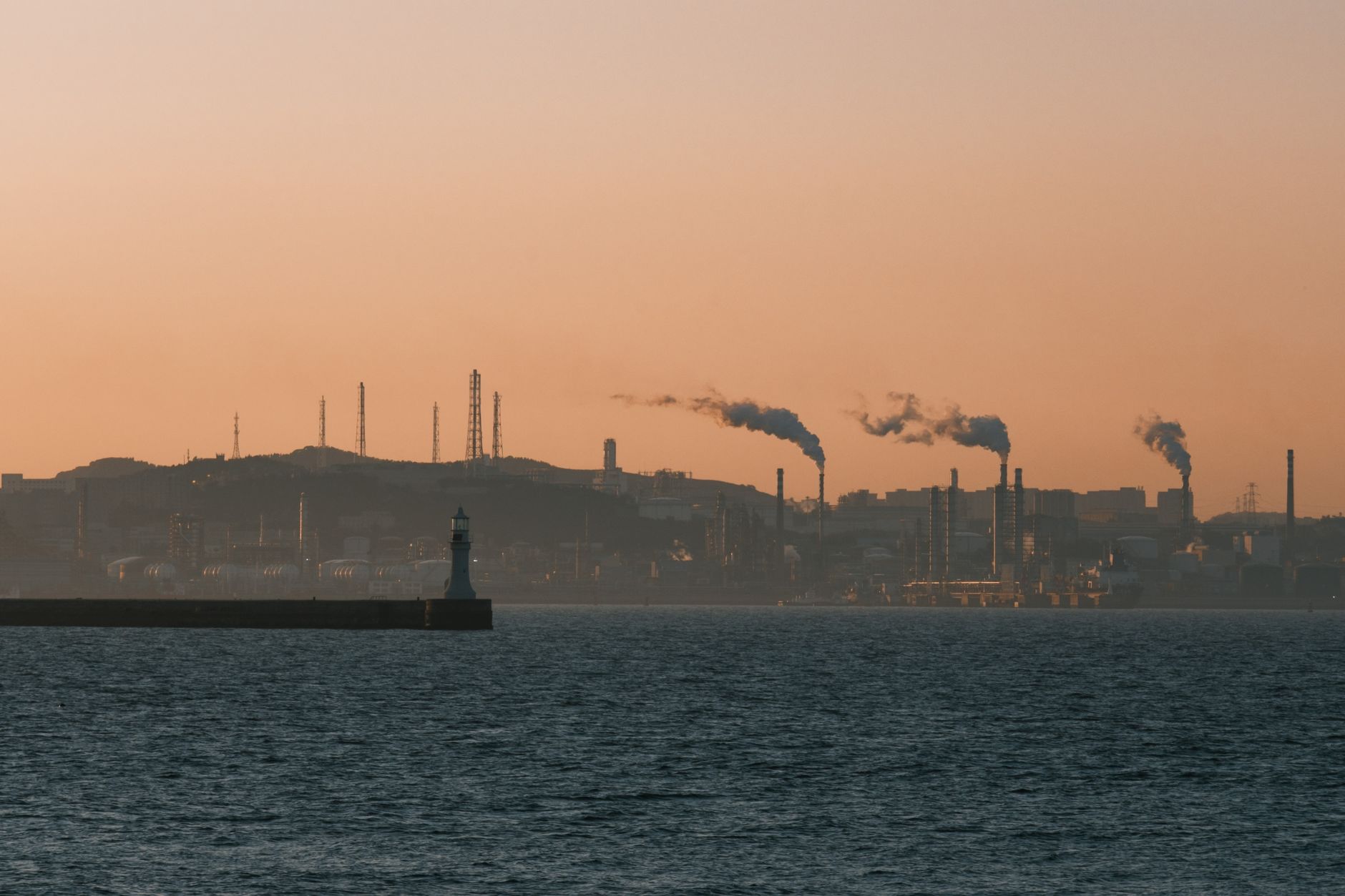
The court's directive to halt all unlawful mining activities immediately signals a decisive stance on environmental preservation. It emphasised that such practices not only degrade natural resources but also infringe upon citizens' constitutional right to clean air, as enshrined in Article 21. The judiciary's intervention offers a glimmer of hope for environmental advocates who have long campaigned against such destructive practices.
Environmental and Legal Implications
The magnitude of this ruling cannot be overstated. By framing the issue within the context of the right to life, the court has elevated environmental concerns to a matter of human rights. This aligns with growing global recognition that ecological integrity is integral to public health and wellbeing. The judgement further calls for stringent enforcement of existing mining regulations, urging authorities to ensure compliance and accountability.
Moreover, the court's decision arrives on the heels of a substantial penalty imposed on the National Thermal Power Corporation (NTPC) by the Union Environment Ministry. The Rs 409 crore fine for illegal activities in the district underscores the broader push for corporate responsibility in environmental stewardship.
A Call for Sustainable Development
As the dust settles on this landmark ruling, stakeholders must pivot towards sustainable development models that balance economic aspirations with ecological preservation. The court's directive serves as a stark reminder that economic gains should not come at the cost of environmental degradation. For Hazaribagh, a district rich in natural beauty and resources, this could be the turning point towards sustainable progress.