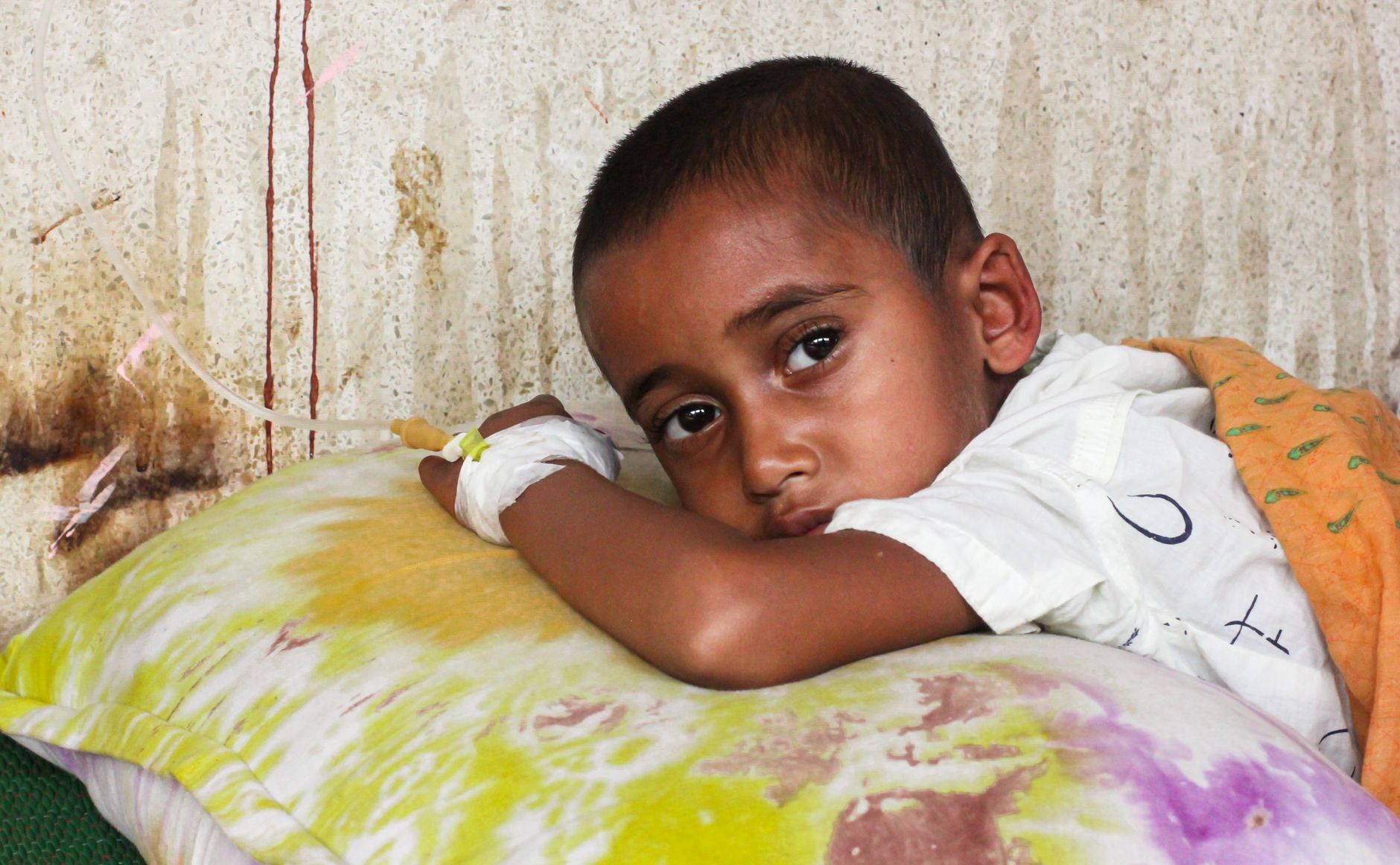
Health Minister Launches Initiative to Bolster Child Health in India
In the grandiose halls of Vigyan Bhawan, a new chapter in child health was penned. Union Health Minister JP Nadda, at the helm of the 16th Conference of the Central Council of Health and Family Welfare (CCHFW), unveiled the Samagra Shishu Bal Swasthya Karyakram (SSBSK). This initiative promises to transform the landscape of child healthcare in India, targeting the crucial early years of life.
The programme is not merely a collection of aspirations but a strategic endeavour to unify existing child health initiatives. It aims to provide a seamless continuum of care for children from birth until they reach the age of three. By doing so, the government hopes to address the myriad challenges faced by this vulnerable age group, from nutritional deficiencies to early developmental issues.
An Integrated Approach
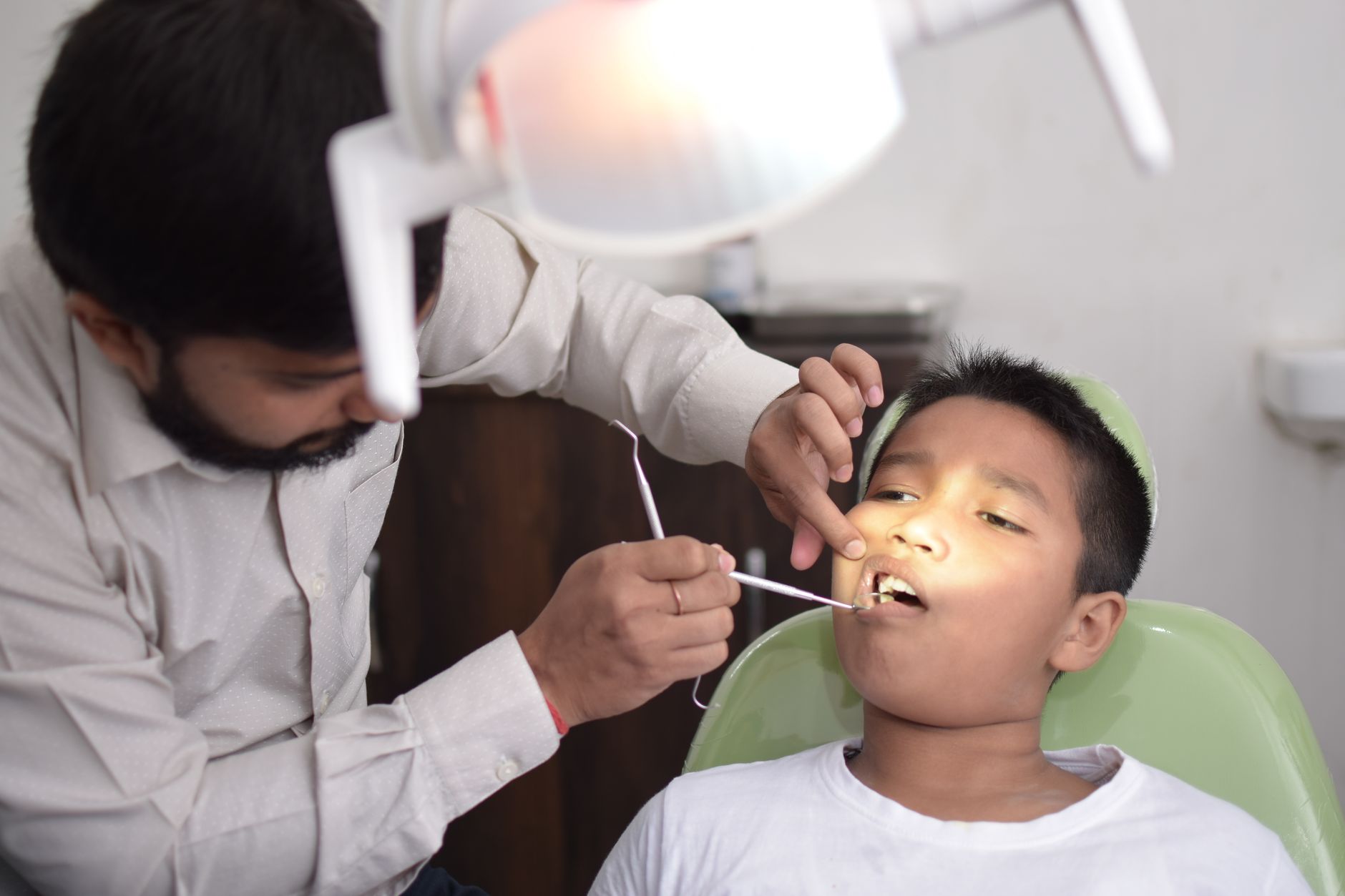
At its core, the SSBSK seeks to integrate various health services, ensuring that no child slips through the cracks. The programme's design reflects a comprehensive approach, one that encompasses immunisations, nutritional assessments, and developmental screenings. This is no small feat in a country as diverse and populous as India, where healthcare delivery often encounters logistical hurdles.
Speaking at the launch, Minister Nadda emphasised the importance of such initiatives, noting that "the first 1,000 days of a child's life are critical for their long-term health and well-being." The initiative aims to capitalise on this window of opportunity, providing targeted interventions that can yield lifelong benefits.
Broader Implications
The launch of SSBSK comes at a pivotal moment for India, as the nation grapples with the dual challenges of malnutrition and underdevelopment among its youngest citizens. By streamlining services and focusing on early intervention, the programme is poised to make a significant impact on public health outcomes.
Moreover, the initiative underscores the government's commitment to improving healthcare access across states, a priority echoed by stakeholders at the conference. With both Union and State health ministers in attendance, the event provided a platform for dialogue and collaboration, crucial elements for the programme's successful implementation.
In the words of a senior official present, "This is more than just a policy launch; it's a call to action for all stakeholders involved in child health." As the SSBSK rolls out, the coming months will be crucial in determining how effectively these ambitious plans translate into tangible improvements on the ground.