Himalayan Wilderness Under Siege: The Unseen Plastic Crisis
In a stark reminder of human impact on the environment, camera traps in the Kedarnath Wildlife Sanctuary have unveiled a troubling sight: the majestic Himalayan Tahr, not in its natural splendour but rummaging through piles of plastic waste. These scenes, captured in the Rudranath-Tungnath region, reflect a growing environmental crisis that threatens the sanctity of one of the world's most revered mountain ranges.
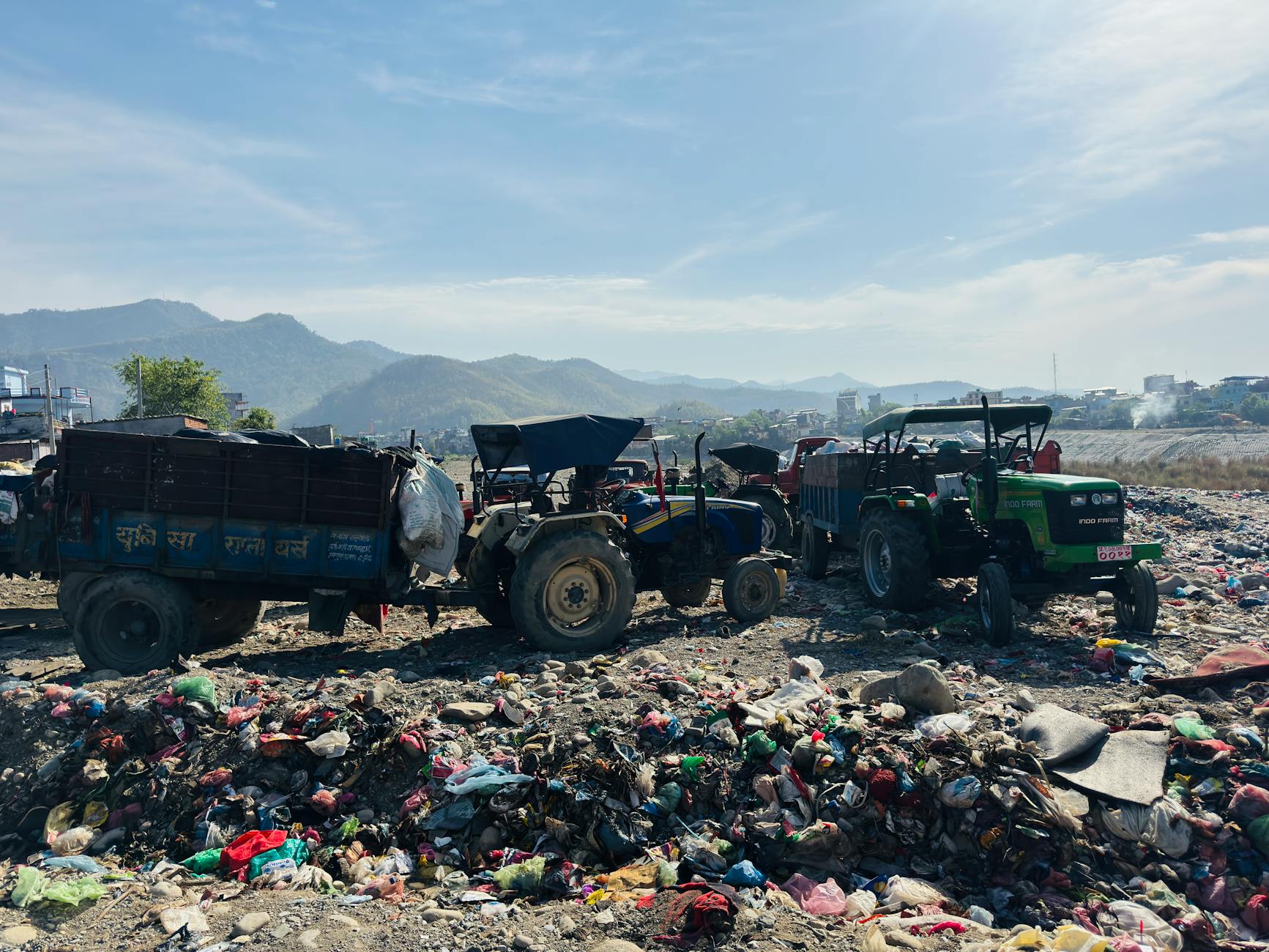
The sanctuary, home to diverse wildlife including the elusive Himalayan brown bear, now finds itself under siege not from poachers, but from plastic. Waste, primarily single-use food and beverage packaging, has become a common sight, littering trails and meadows that were once untouched by human hands. This invasion of plastic disrupts the fragile alpine ecosystem, putting its unique flora and fauna at risk.
Wildlife in Peril
The impact on wildlife is profound. Animals like the Tahr are five times more likely to be seen at these makeshift dumpsites than in their natural grazing areas. The risk is not just from physical entanglement or ingestion of plastic, but from the long-term disruption of their habitat. The Himalayan brown bear, with an estimated population of only 500 to 750 in the wild, faces increasing threats as its habitat becomes increasingly polluted.
A Call to Action
In response to this mounting crisis, the Zero Waste Himalaya Alliance has been formed. Established in April 2025, this alliance aims to institutionalise efforts to combat the Himalayan waste crisis. The alliance seeks to engage local communities, tourists, and governments in a coordinated effort to reduce plastic consumption and improve waste management practices.
While tourists are significant contributors to the waste, local communities also play a part. The 2024 cleanup efforts highlighted that local waste management strategies need urgent attention. The alliance's strategy involves not only cleanup operations but also educational campaigns to promote sustainable tourism and community-led initiatives.
The story unfolding in the Himalayas is a cautionary tale of human negligence. It serves as a pressing reminder of the need for immediate action to preserve these natural wonders for future generations. As the world watches, the call is clear: we must learn to see and act upon the stories the Himalayas are telling us.