Historic Approval of Malaria Drug for Infants Marks Health Breakthrough
In a significant stride towards eradicating malaria, the World Health Organization (WHO) has approved a new drug specifically designed for infants. This landmark move is being hailed as a 'major public health milestone' by experts worldwide.
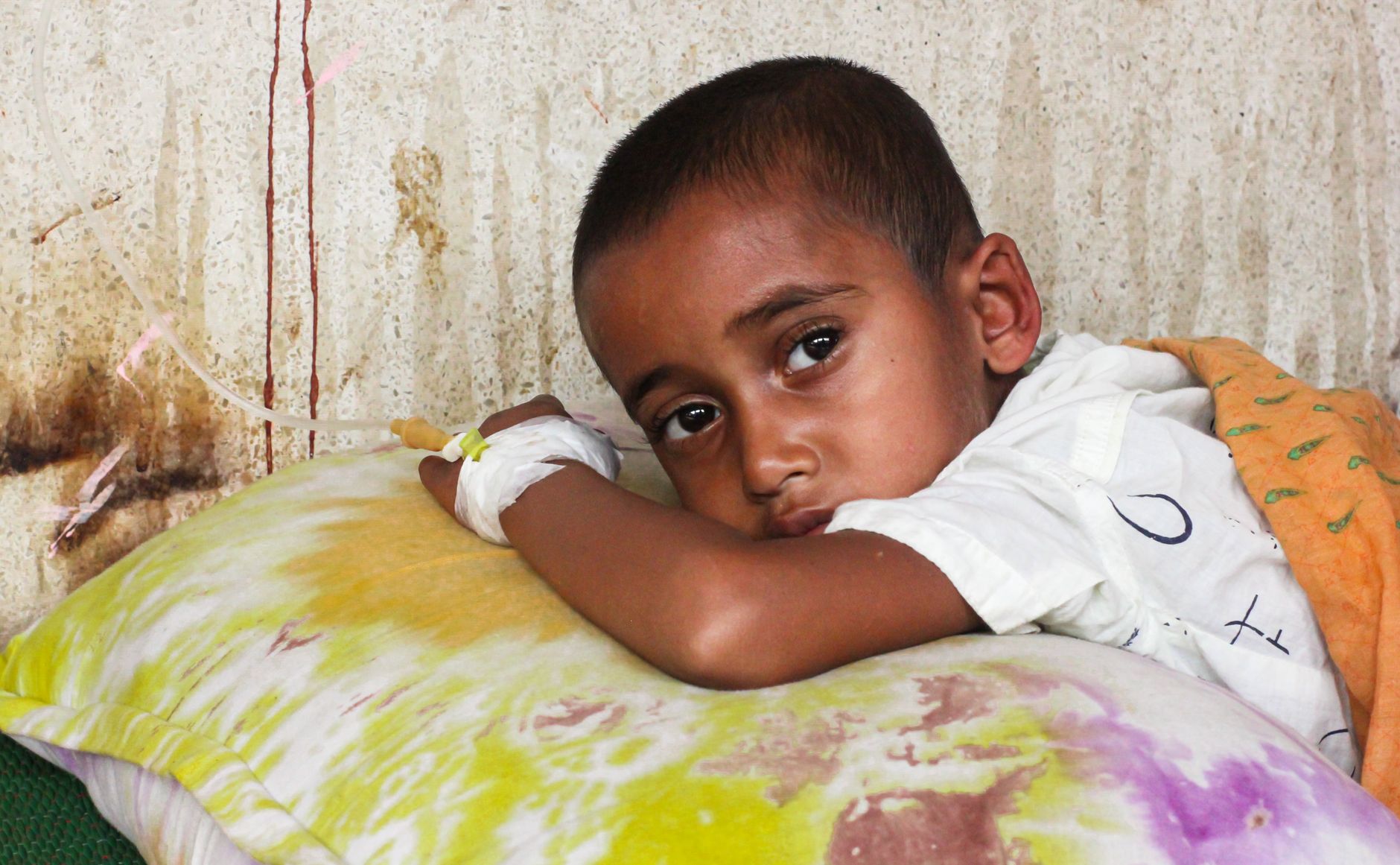
Malaria, a mosquito-borne disease, continues to be a formidable adversary, particularly in sub-Saharan Africa. It accounts for hundreds of thousands of deaths each year, with children under five being the most vulnerable. The introduction of the Coartem Baby tablets, which come in a sweet cherry flavour, represents a critical advance in the fight against this deadly disease.
The drug, tailored for the youngest and most susceptible segment of the population, can be easily dissolved in liquids, including breast milk, making it a practical choice for mothers and caregivers in remote areas. Dr. Tedros Adhanom Ghebreyesus, WHO's Director-General, commented, "For centuries, malaria has stolen children from their parents, and health, wealth and hope from communities." His words echo the sentiment of many health professionals who believe this development could significantly reduce child mortality rates associated with malaria.
A New Era in Child Health
The approval of Coartem Baby is complemented by new rapid diagnostic tests, which aim to address the 80% of malaria cases that go undetected in Africa. This dual strategy could revolutionise how the disease is managed, particularly in rural and resource-poor settings.
Moreover, the timing of the approval, just ahead of World Malaria Day on April 25th, underscores the global commitment to tackling one of the world's deadliest diseases. Public health experts are optimistic that these new tools will not only save lives but also empower communities by reducing the economic burden of malaria.
While this development is indeed promising, it is part of a broader strategy required to combat malaria effectively. Continued investment in healthcare infrastructure, education, and prevention measures, such as mosquito nets, remains crucial. The success of Coartem Baby will depend not only on its availability but also on the ongoing commitment of governments and international bodies to prioritise child health in malaria-endemic regions.