HT Media Shutters Iconic Radio Stations Amid Revenue Struggles
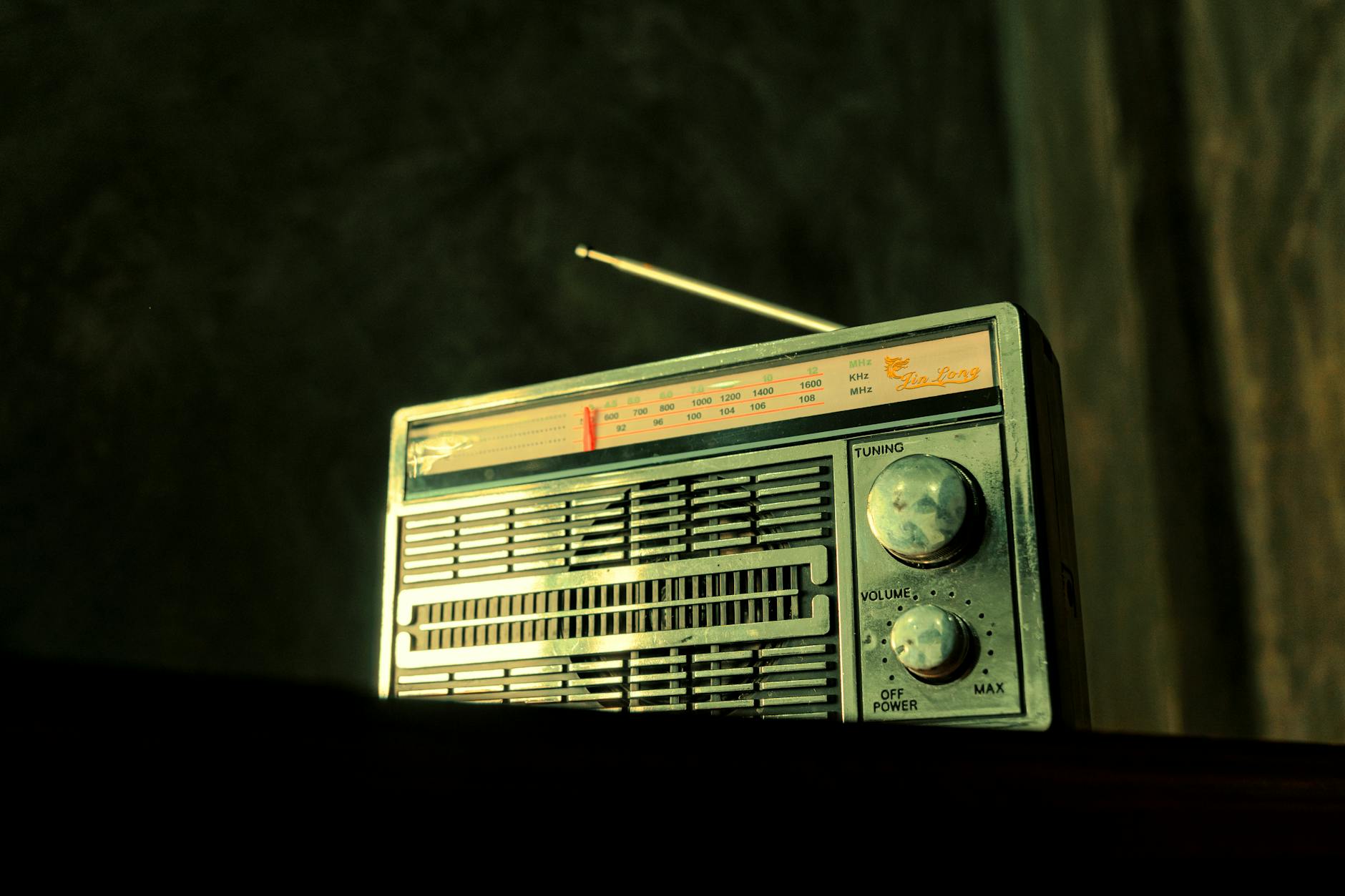
In a move that has sent ripples through the Indian entertainment industry, HT Media has decided to close its Radio Nasha, Radio One, and Fever FM stations across key cities. The announcement follows the company's earlier decision to wind up its operations in Chennai, where it surrendered the licences of its two FM stations due to poor revenue performance.
HT Media's withdrawal from the Chennai market was a harbinger of its broader strategy to streamline operations amidst a challenging financial landscape. The company's latest financial disclosures reveal that the stations earmarked for closure contributed minimally to its overall revenue, prompting a reevaluation of its radio investments.
Next Radio Limited, a subsidiary handling the FM operations, along with HT Music & Entertainment Company Limited, is spearheading the licence surrender. The decision underscores the mounting pressures facing traditional radio broadcasters as digital platforms continue to lure advertisers and audiences alike.
A Changing Media Landscape
The closure of these stations, which have been staples in cities like Delhi, Mumbai, and Bengaluru, signifies more than just a corporate restructuring. It highlights the shifting dynamics within the media sector, where FM radio is increasingly struggling to compete with the immediacy and versatility of online streaming services.
While HT Media has a storied history in the radio sector, its recent performance has been less than stellar. The company's revenue from its radio and entertainment segment fell by 4.4% in the last quarter, a decline that mirrors wider industry trends.
Implications for the Industry
The decision to shut down these stations could have wide-reaching implications. It may prompt other broadcasters to reassess their own strategies in an era where digital consumption patterns are rapidly evolving. For listeners, the closures represent the end of an era, as these stations have long been part of the daily soundtrack of urban life.
As HT Media pivots to adapt to the digital age, the closures might also herald new opportunities. The company may choose to invest more heavily in digital content, seeking to capture the growing online audience that traditional radio is losing.
For now, the sound of silence from Radio Nasha, Radio One, and Fever FM serves as a stark reminder of the challenges facing the FM industry, as it grapples with the demands of a new media age.