HT Media's Radio Stations Face the Music in Major Cities
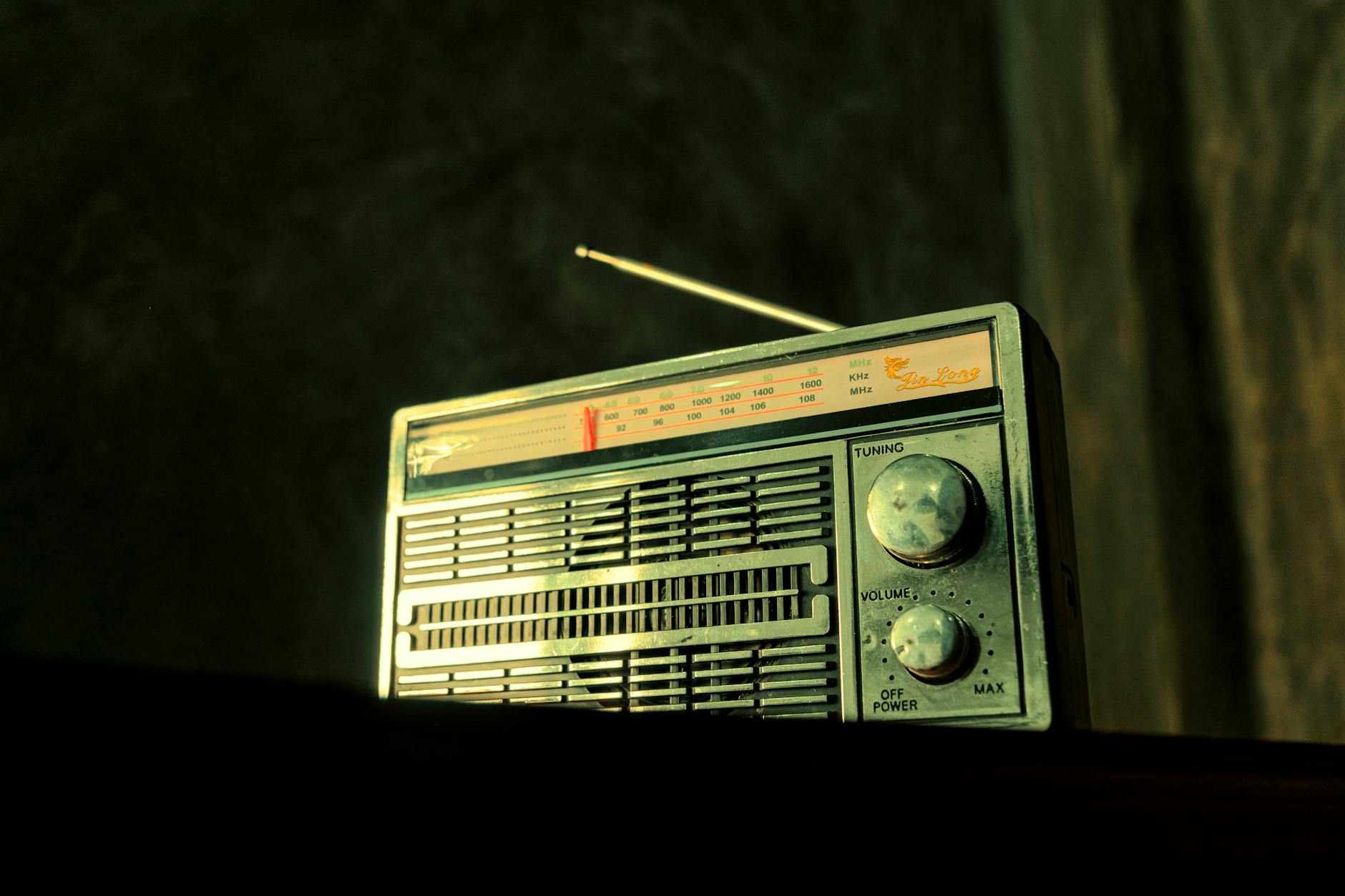
HT Media, a stalwart in the Indian media landscape, has announced the impending closure of its Radio Nasha, Radio One, and Fever FM stations across several major cities. This decision, unveiled in a recent financial statement, marks a strategic pivot for the company as it grapples with the changing dynamics of media consumption.
The move follows the company's earlier retreat from Chennai's radio market, where it surrendered the licence for Radio One on 24 October and ceased operations of Fever FM by 24 December. Despite their presence in key urban centres, these stations have struggled to contribute meaningfully to HT Media's revenue streams, prompting the decision to relinquish their licences.
Financial Realities
The financial underpinnings of this decision cannot be ignored. According to HT Media's disclosures, the Chennai stations accounted for a mere 0.12% of the company's revenue in FY25. Such figures starkly contrast the towering expectations set when these stations were initially launched.
HT Media's chairperson, Shobhana Bhartia, acknowledged in a regulatory filing that the revenue from the radio broadcast and entertainment segment fell by 4.4% in the last quarter of FY25. This downturn has evidently catalysed the decision to rationalise the company's broadcast portfolio.
A Shifting Focus
As traditional media faces an increasingly digital world, HT Media's move underscores a broader industry trend. The shift in focus away from FM radio, a medium once considered a vital channel for advertising and entertainment, reflects an adaptation to new consumption patterns and the pursuit of more lucrative avenues.
While the closure of these stations might appear as a setback at first glance, it also signals a recalibration of strategy. By shedding these underperforming assets, HT Media aims to streamline its operations and possibly invest in burgeoning digital platforms or other promising ventures.
As the airwaves prepare to fall silent, the question remains as to how other players in the radio industry will respond. Will this mark the beginning of a broader exodus from FM radio, or will others attempt to weather the storm? Only time will tell.