IBM Reveals Breakthrough in Sub-1nm Chip Technology
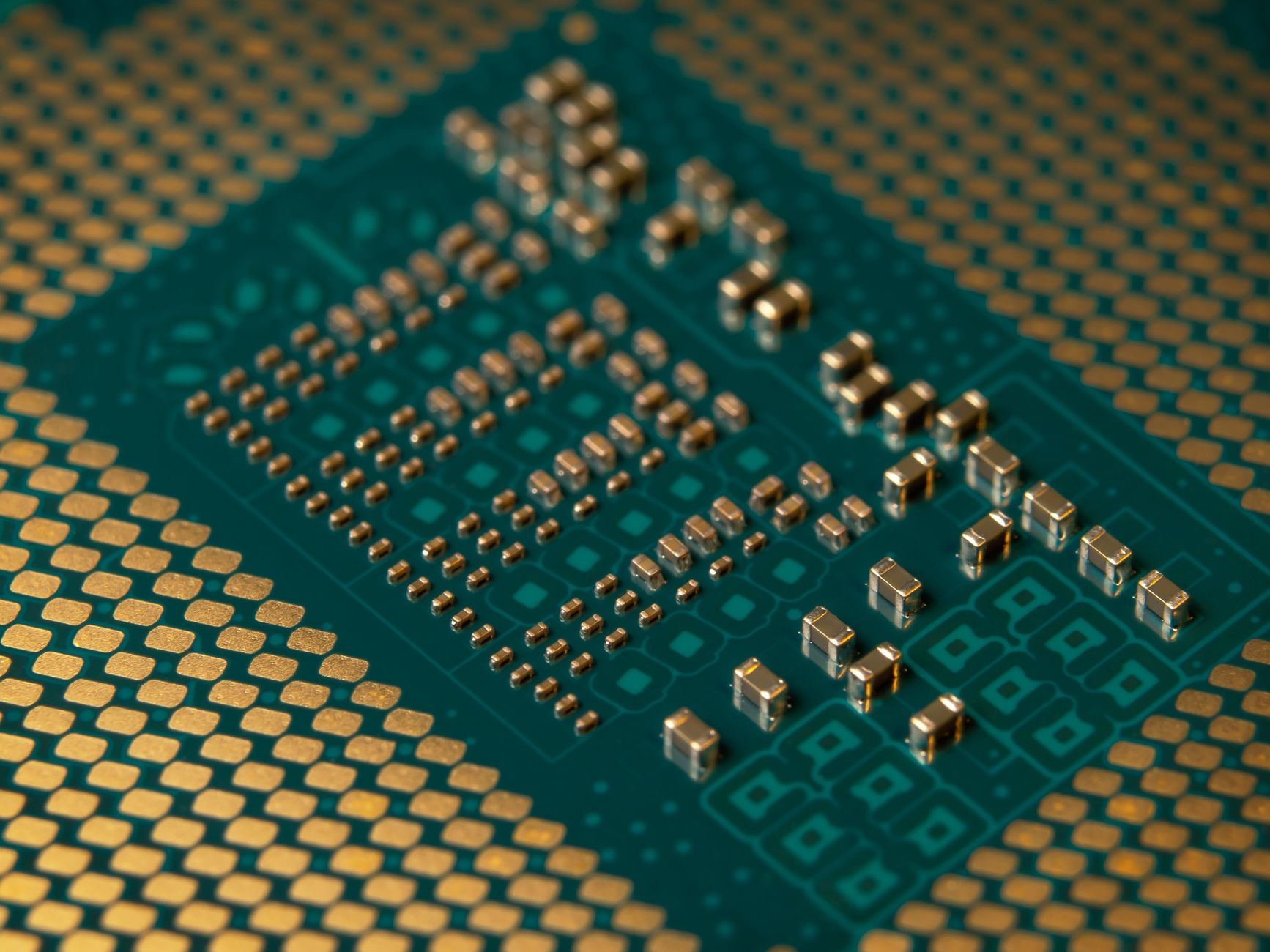
In a move that could potentially redefine the future of computing, IBM has unveiled a groundbreaking method to create computer chip parts smaller than ever before. This new sub-1 nanometre chip technology, revealed at their Albany, New York laboratory, promises to pack a staggering 100 billion transistors onto a chip no larger than a fingernail.
The significance of this development cannot be overstated. In an era where computing power is king, the ability to fit more transistors into a tiny space means faster, more efficient processing capabilities. This advancement places IBM in a formidable position alongside major industry players such as TSMC and Intel, even though IBM itself has stepped away from chip manufacturing.
Revolutionising Chip Architecture
IBM's announcement marks a major milestone in the ongoing evolution of chip architecture. The new 0.7 nanometre, or 7 angstrom, transistor technology represents a leap from the 2 nanometre chips introduced in 2021, which already boasted 50 billion transistors. This doubling of transistor density in just over two years underscores the rapid pace of technological advancement in the field.
The implications for AI hardware are particularly intriguing. As the demand for AI-driven applications continues to soar, so too does the need for advanced processing power. IBM's novel approach could provide the key to unlocking unprecedented levels of AI performance, setting new benchmarks for the industry.
Licensing and Industry Impact
While IBM no longer directly manufactures or sells chips, its role as a technology innovator remains crucial. The company typically licenses its cutting-edge developments to manufacturers, ensuring that its innovations reach the market and drive industry progress. This latest breakthrough is expected to attract significant interest from chipmakers looking to enhance their product offerings and maintain a competitive edge.
The race to develop smaller, more powerful chips is not merely a technical challenge; it is a strategic imperative for tech companies worldwide. As IBM continues to push the boundaries of what is possible, it reinforces its legacy as a pioneer in semiconductor research and development, with far-reaching implications for the future of technology.