IBM Unveils Pioneering Sub-1 Nanometre Chip Technology
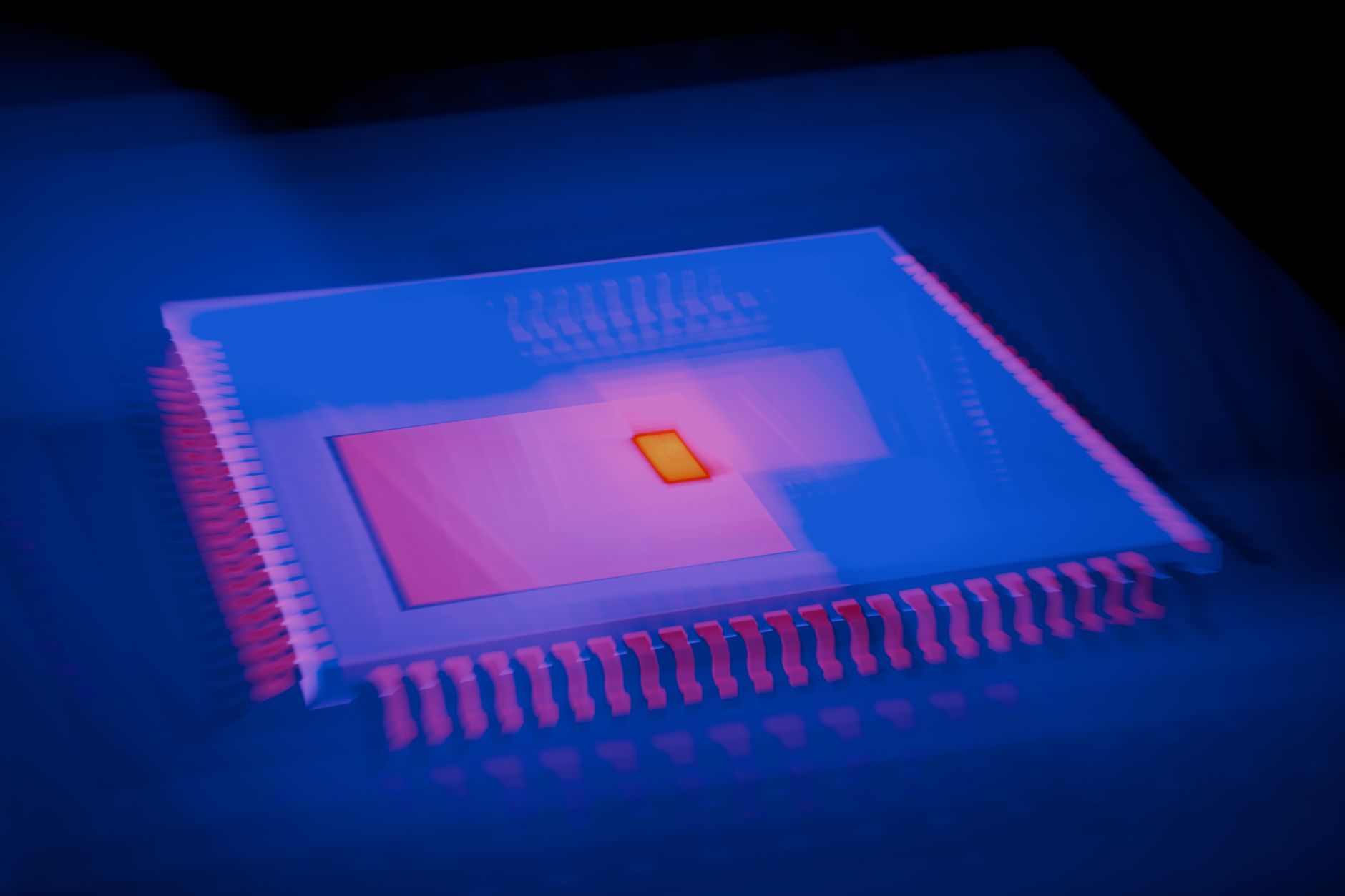
In an era where the pace of technological advancement seems relentless, IBM has once again placed itself at the forefront of innovation with the announcement of the world's first sub-1 nanometre chip technology. This landmark achievement, featuring a 0.7 nanometre architecture, could very well redefine the future of semiconductors.
The new chip packs nearly 100 billion transistors into a space no larger than a fingernail, nearly doubling the density of its predecessor, the 2 nanometre chip, unveiled just two years prior. This leap in density is not merely a feat of engineering but a testament to human ingenuity, as IBM pushes the boundaries of what was thought physically possible.
The Nanostack Revolution
Central to this breakthrough is IBM's innovative three-dimensional nanostack architecture. By stacking layers of nanoscale components, IBM has managed to not only increase transistor density but also significantly enhance the chip's performance and energy efficiency. This design allows for more efficient heat dissipation, which is crucial as devices become increasingly powerful.
In practical terms, this could mean faster processing speeds for everything from smartphones to supercomputers, with less energy consumption. For consumers, the implications are profound: more powerful devices that last longer on a single charge.
Implications for the Semiconductor Industry
The advent of sub-1 nanometre technology signals a new chapter for the semiconductor industry, which has long grappled with the limitations of Moore's Law—the observation that the number of transistors on a microchip doubles approximately every two years. As traditional scaling approaches its physical limits, innovations like IBM's nanostack architecture provide a new path forward.
This breakthrough not only positions IBM as a leader in the field but also sets a new benchmark for competitors. The company's achievement underscores the importance of continued investment in research and development, as the demand for more powerful and efficient technology shows no sign of abating.
Looking ahead, the deployment of such technology in consumer and industrial applications promises to accelerate advancements in artificial intelligence, data processing, and other computationally intensive fields. As IBM's sub-1 nanometre chips begin to enter the market, the world watches in anticipation of the transformative changes they may bring.