IBM's Atomic Leap: Unveiling the Sub-1 Nanometre Chip
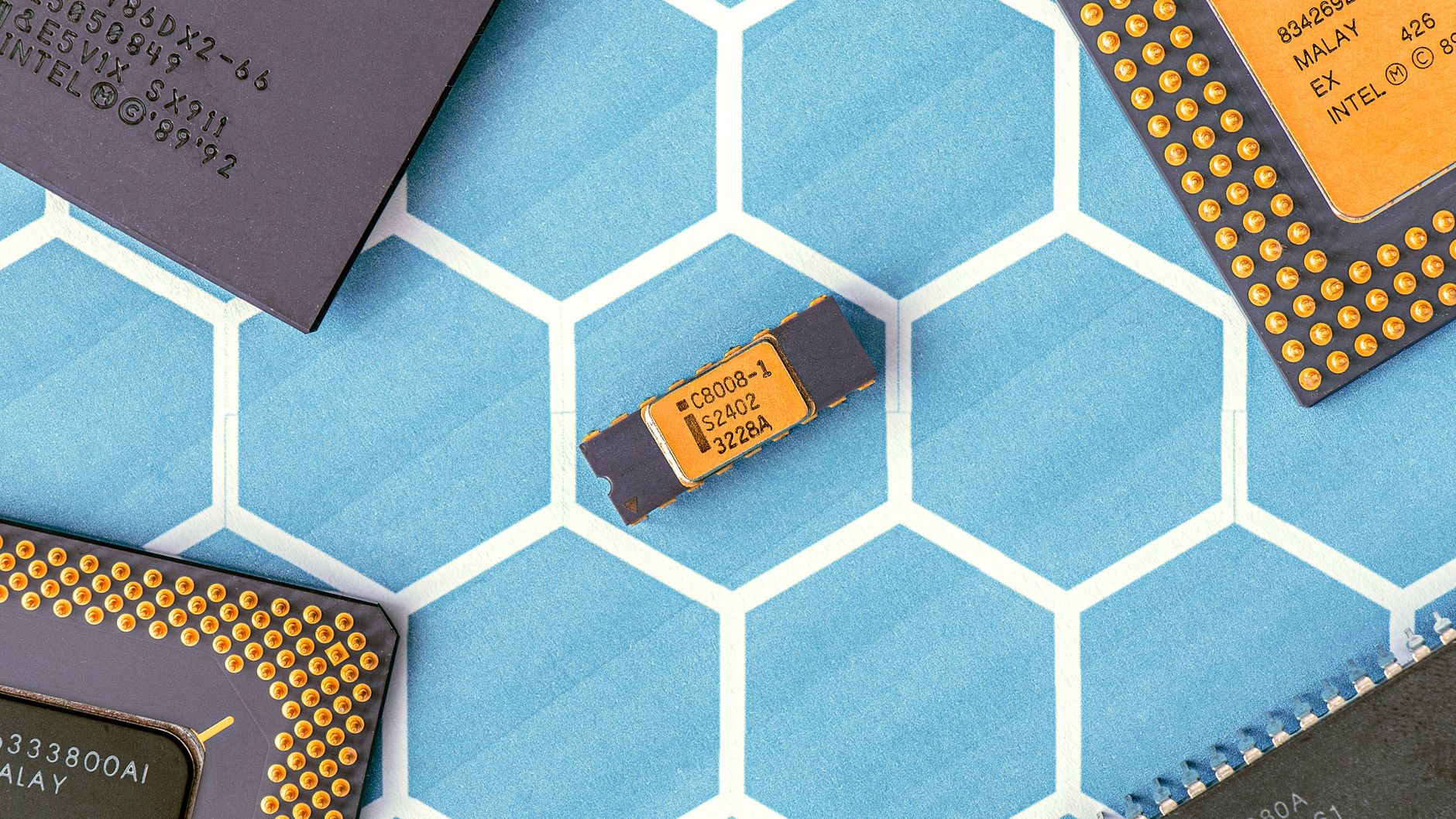
In a bold stride that echoes the ambitions of science fiction, IBM has announced the creation of the world's first sub-1 nanometre chip technology, a feat previously thought unattainable. This pioneering advancement, achieved through IBM's innovative 'nanostack' architecture, stands as a testament to the relentless pursuit of miniaturisation in the semiconductor industry.
The new chip, no larger than a fingernail, is composed of a staggering 100 billion transistors, packed meticulously at the 0.7 nanometre scale. This development not only shatters the conventional boundaries of chip design but also heralds a new era of computing capability. IBM's approach, stacking transistors in a three-dimensional nanosheet format, allows for unprecedented density and efficiency, potentially transforming how processors are manufactured in the future.
A Quantum Leap in Technology
IBM's breakthrough is more than just a triumph in engineering; it is a quantum leap towards the atomic scale of computing. The sub-1 nanometre chips promise to enhance processing power significantly while reducing energy consumption, a crucial factor in the drive towards greener technology. As data processing demands grow exponentially, the need for smaller, more efficient chips becomes ever more pressing.
The implications of this technology are vast. Industries ranging from artificial intelligence to space exploration stand to benefit from the increased computational power that such chips can provide. Moreover, this innovation could pave the way for more advanced applications in fields such as quantum computing and nanotechnology.
Challenges and Opportunities
However, IBM's announcement does not come without its challenges. The reality of manufacturing at such a miniature scale involves overcoming significant physical limitations, such as quantum tunnelling and heat dissipation. Yet, the potential rewards are immense. The successful deployment of this technology could redefine the parameters of computation, offering a robust platform for future innovations.
IBM's sub-1 nanometre chip technology represents a milestone in the ongoing quest for smaller, faster, and more efficient semiconductors. It showcases the company's commitment to pushing the boundaries of what is technologically possible, setting a new benchmark for the industry and offering a glimpse into the future of computing.