IBM's New Breakthrough in Chip Miniaturisation
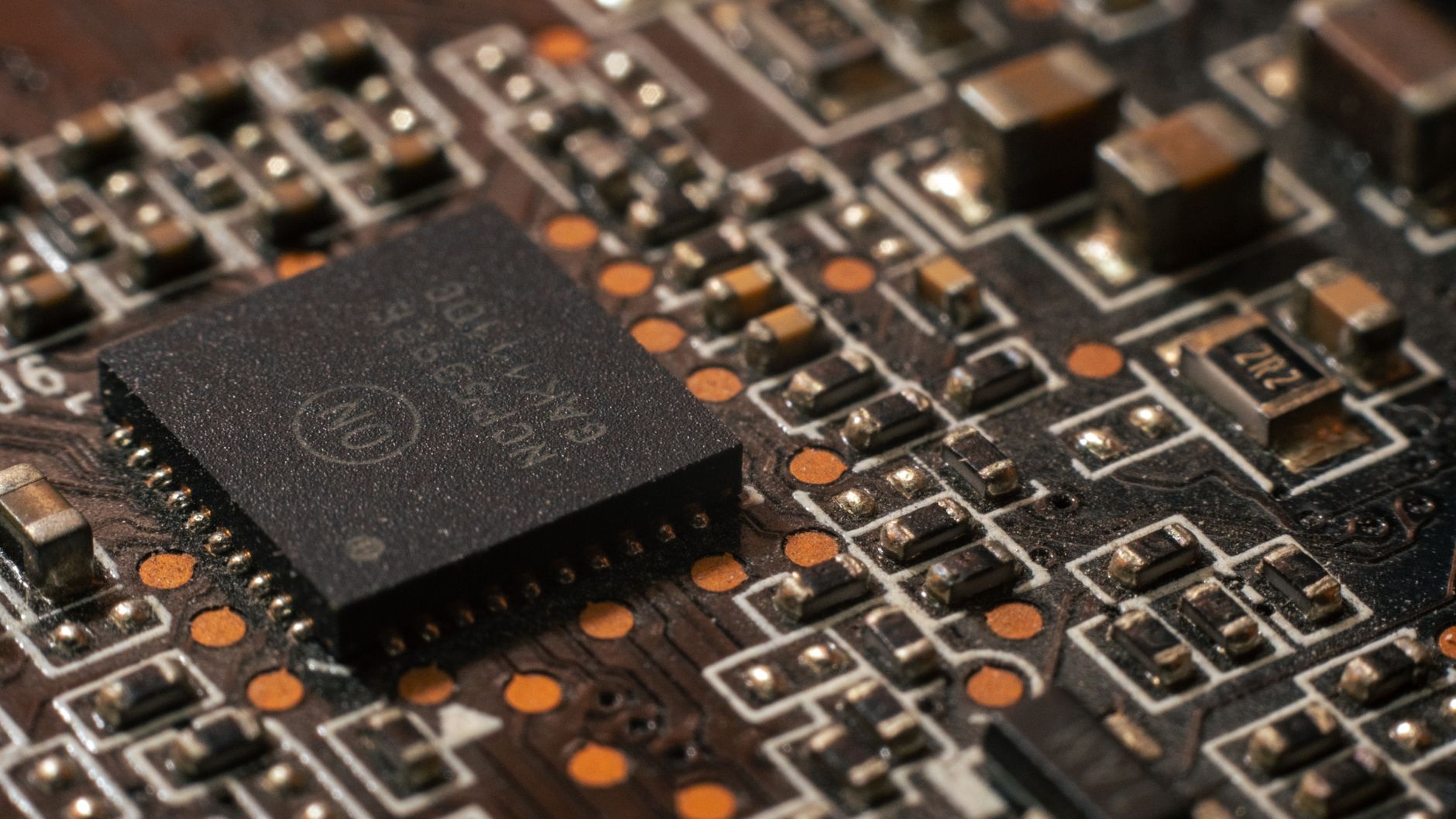
IBM has once again pushed the boundaries of semiconductor technology, announcing a breakthrough method to create even smaller computer chip components. This development promises to squeeze an astonishing 100 billion transistors onto a silicon chip no larger than a human fingernail. Such an advancement not only reaffirms IBM’s long-standing reputation as a technological innovator but also signals a potential shift in the competitive dynamics of the semiconductor industry.
Despite IBM's decision years ago to cease its own chip manufacturing, the company’s engineers at its Albany laboratory continue to pioneer cutting-edge technology that is subsequently licensed to chipmakers. The latest innovation, featuring a 0.7-nanometre transistor architecture, positions IBM to rival industry behemoths like TSMC and Intel, who are at the forefront of chip production. This architectural feat, measured in angstroms, represents a significant leap in miniaturisation, promising enhanced performance and energy efficiency.
Implications for AI and Beyond
The potential applications of this technology are vast, especially in the realm of artificial intelligence. With the ability to pack more transistors into a smaller space, AI hardware could become significantly more powerful, enabling faster processing speeds and more complex computations. This could accelerate advancements in AI research and its integration into everyday technology.
The implications of IBM's latest breakthrough extend beyond AI. As the world becomes increasingly reliant on digital solutions, the demand for more efficient and powerful computing resources is on the rise. Smaller, more powerful chips could lead to innovations in fields ranging from healthcare to automotive technology, driving advancements in smart medical devices and autonomous vehicles.
The Competitive Landscape
IBM's announcement is poised to shake up the semiconductor industry. While TSMC and Intel have long dominated the market, IBM’s technological advancements could alter the competitive landscape. The ability to license this cutting-edge technology provides IBM with a strategic advantage, allowing them to influence the market without direct involvement in manufacturing.
In the face of this competition, existing players in the semiconductor industry may need to accelerate their own research and development efforts to keep pace. As demand for smaller, more efficient chips grows, the race to innovate and capture market share is set to intensify.
Ultimately, IBM's new method for creating smaller chip components underscores the relentless pace of innovation in the tech sector. As companies vie for supremacy, these advancements serve as a reminder of the remarkable potential that lies within the microscopic world of semiconductors.