IBM's Quantum Leap: World's First Sub-1nm Chip Unveiled
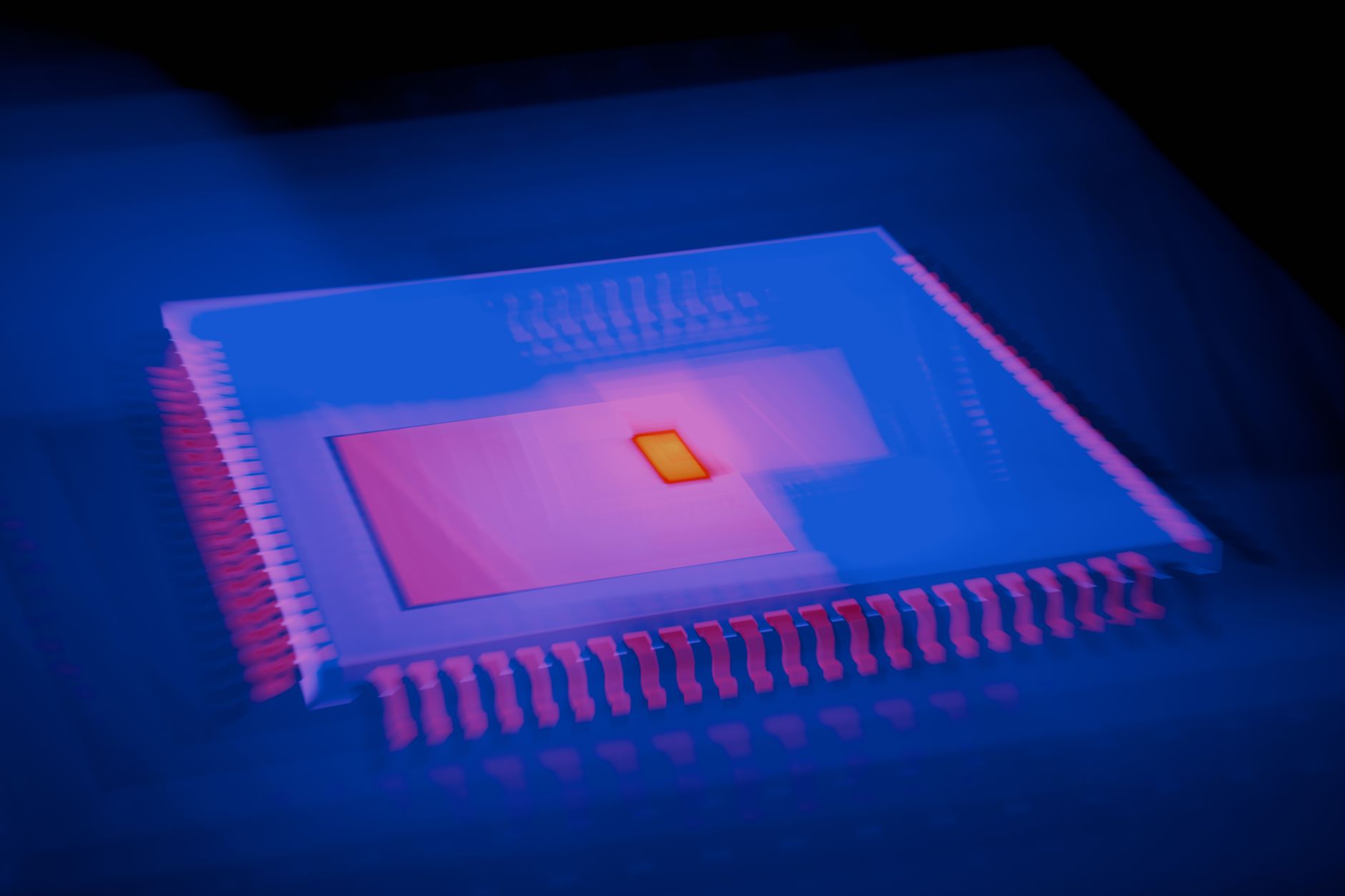
In a move that could redefine the boundaries of computing power, IBM has unveiled what it claims to be the world's first sub-1 nanometre chip technology. This ambitious innovation, characterised by a cutting-edge 3D NanoStack transistor architecture at a mere 0.7 nm, has sent ripples through the technology sector.
IBM's announcement has been met with enthusiasm, as evidenced by a 5% surge in the company's share price in premarket trading. While IBM does not manufacture commercial chips directly, its research breakthroughs have historically paved the way for industry-wide advancements, influencing everything from data centres to consumer electronics.
The sub-1nm chip technology promises to condense an almost unimaginable 100 billion transistors onto a single chip. This level of miniaturisation could herald a new era of computing, with implications for artificial intelligence, quantum computing, and beyond. It represents a quantum leap over the current 5nm and 3nm chips, pushing the envelope on Moore's Law.
Why It Matters
For the uninitiated, nanometre measurements in chip technology relate to the size of transistors within a chip. Smaller transistors mean more can be fitted into a chip, increasing its processing capabilities while reducing power consumption. IBM's breakthrough could thus enable faster, more efficient devices, and potentially energise sectors reliant on high-performance computing.
However, this technological leap does not come without challenges. Manufacturing such advanced chips requires not only significant investment but also innovative approaches to overcome limits imposed by traditional lithography techniques. As such, while IBM’s announcement is a remarkable milestone, the journey to mass production remains fraught with hurdles.
The Road Ahead
IBM's announcement is a clarion call for the semiconductor industry, which has been grappling with the physical limits of chip miniaturisation. It underscores the need for radical innovation in materials and design to sustain the industry's growth trajectory.
As companies worldwide scramble to keep pace with burgeoning demands for computational power, IBM's breakthrough is a reminder of the relentless pace of technological advancement. Whether this heralds a new era of computing or merely sets the stage for further breakthroughs, IBM's sub-1nm chip technology is undeniably a landmark achievement.