IBM's Revolutionary Leap in Chip Miniaturisation
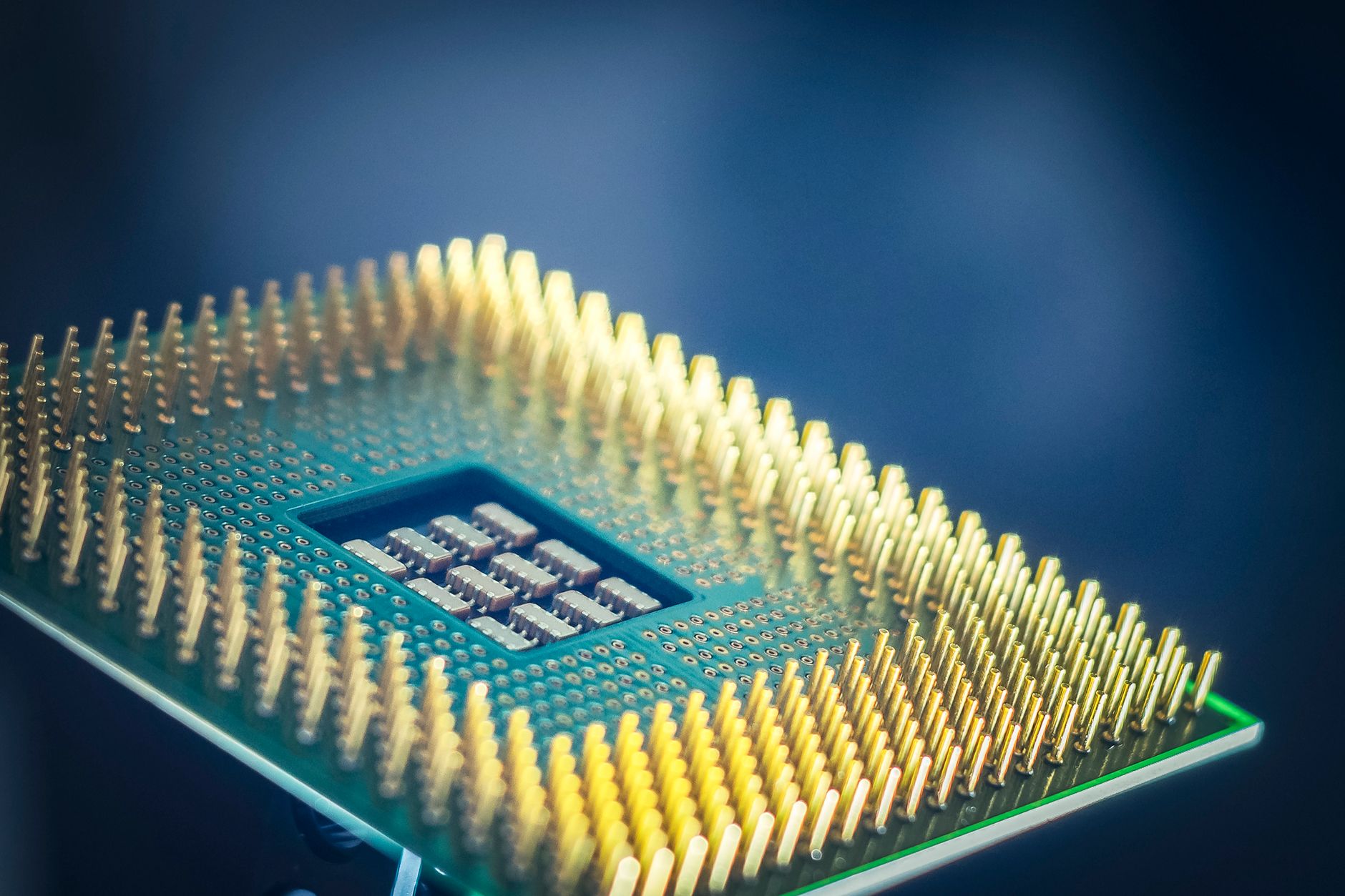
In a bustling laboratory in Albany, New York, IBM has unveiled a technological feat that could send ripples through the semiconductor industry. With the unveiling of a method to create computer chip parts as minuscule as 0.7 nanometers, IBM has once again positioned itself at the cutting edge of chip innovation, even if it no longer manufactures chips itself.
The new architecture, a leap from the 2 nm process technology displayed just two years ago, crams an astonishing 100 billion transistors onto a chip no larger than a fingernail. This development is not merely a technical marvel but a strategic manoeuvre. It places IBM in a formidable position against chipmaking giants like TSMC and Intel, who dominate the production of these vital components.
The Significance of Miniaturisation
At the core of this breakthrough is extreme ultraviolet (EUV) lithography, a technique that IBM has been honing for years. By using light to etch patterns onto silicon wafers, EUV lithography allows for the creation of ever-smaller chip components. As transistors shrink, more can be packed onto a single chip, enhancing both power and efficiency.
This relentless pursuit of miniaturisation is not a mere academic exercise. In an era where artificial intelligence and data processing demand ever-greater computational power, the ability to produce smaller and more efficient chips is crucial. For investors and tech companies, this could signal a new phase in the AI hardware race, where computing capabilities are pushed to unprecedented heights.
Implications for the Industry
IBM's announcement is likely to have wide-reaching implications. While the company no longer fabricates chips, its innovations are licensed to manufacturers who can implement these advancements at scale. This could potentially alter the competitive dynamics within the semiconductor sector.
Moreover, as chip technology continues to evolve, the pressure mounts on other industry leaders to keep pace. Companies like TSMC and Intel may find themselves compelled to accelerate their own research and development efforts to maintain their market positions.
In conclusion, IBM's latest breakthrough is a testament to the relentless march of technology. It underscores the fact that even companies not directly involved in manufacturing can wield significant influence over the industry's future direction. As chip components continue to shrink, the possibilities for technological advancement seem boundless.