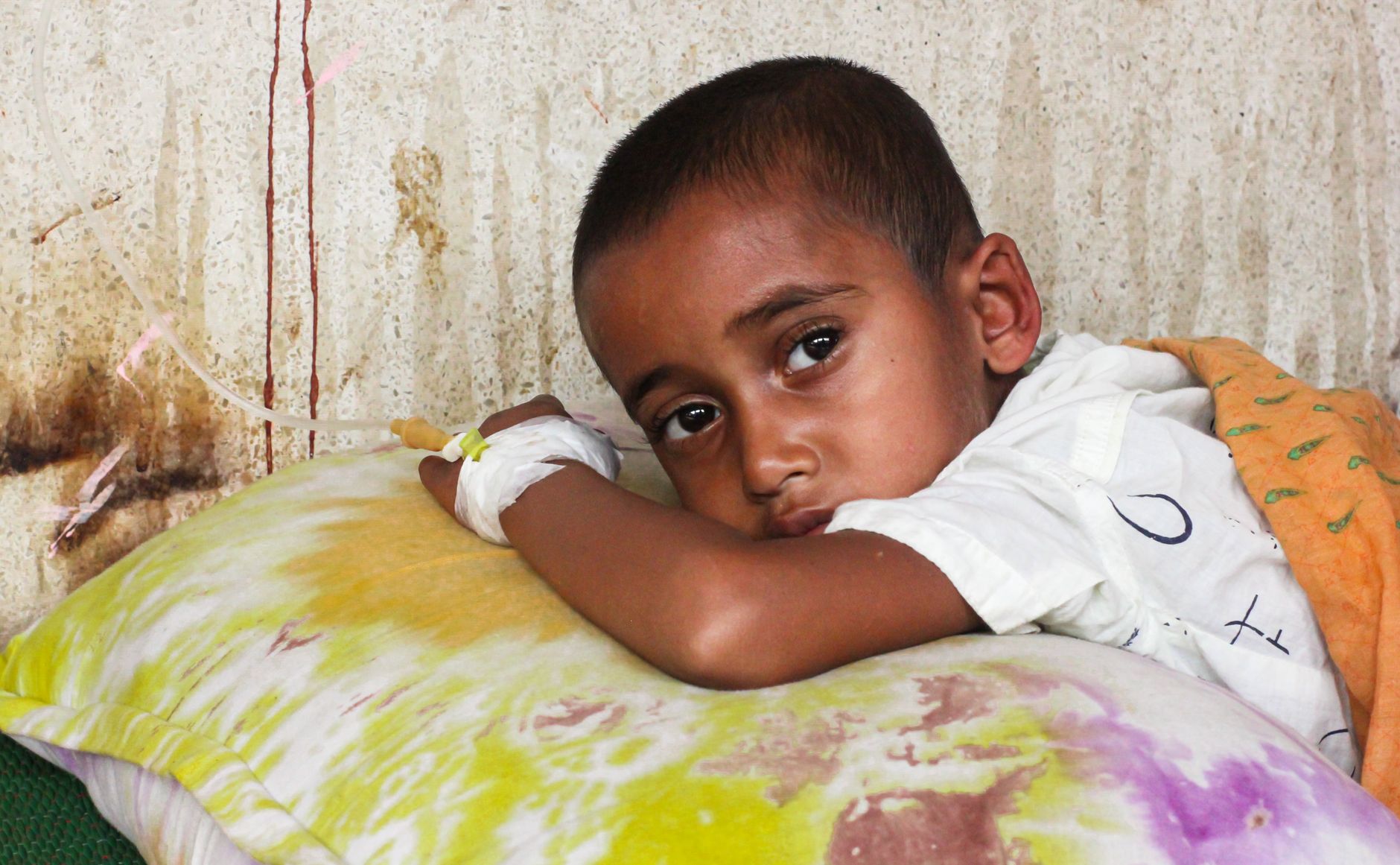
India Expands Child Health Programme to Include Mental Health Screening
In an ambitious overhaul of its child health policy, the Indian government has expanded the Rashtriya Bal Swasthya Karyakram (RBSK) to address mental health and non-communicable diseases (NCDs) among children. The updated guidelines aim to create a comprehensive continuum of care, spanning from birth to 18 years, thus marking a significant stride towards holistic child healthcare.
Launched with considerable fanfare, RBSK 2.0 introduces mental health screenings alongside checks for NCDs like diabetes and hypertension, conditions often considered the bane of modern adulthood. This expansion is a testament to the growing recognition of mental health as a crucial component of overall well-being, even among the young.
Digital Push for Health
Central to this revamped programme is the integration of digital health technologies. The introduction of digital health cards and real-time data monitoring is designed to streamline health records and enhance the delivery of preventive and curative services. This digitalisation aligns with broader governmental efforts to harness technology for improved healthcare outcomes.
The initiative is not merely about digitalisation. It reflects a nuanced understanding that early detection and intervention can significantly alter health trajectories. By embedding mental health screenings within a broader health surveillance framework, the programme seeks to address potential issues before they escalate.
A Broader Health Vision
The inclusion of mental health and NCD screenings represents a paradigm shift in public health strategy. Traditionally, child health programmes have focused on communicable diseases, nutrition, and immunisation. This latest move signals a shift towards a more inclusive health model that considers the psychological and lifestyle factors influencing child development.
Experts have lauded this approach, suggesting it could serve as a blueprint for other nations grappling with similar health challenges. By prioritising mental health and chronic disease prevention early in life, the programme may foster a healthier population, reducing the burden on healthcare systems in the long run.
As the programme rolls out, its success will hinge on effective implementation and the ability to adapt to the diverse needs of India's vast and varied population. However, with a clear vision and robust technological support, RBSK 2.0 holds promise as a transformative force in India's healthcare landscape.