India Offers Expertise in Maternal and Child Healthcare Globally
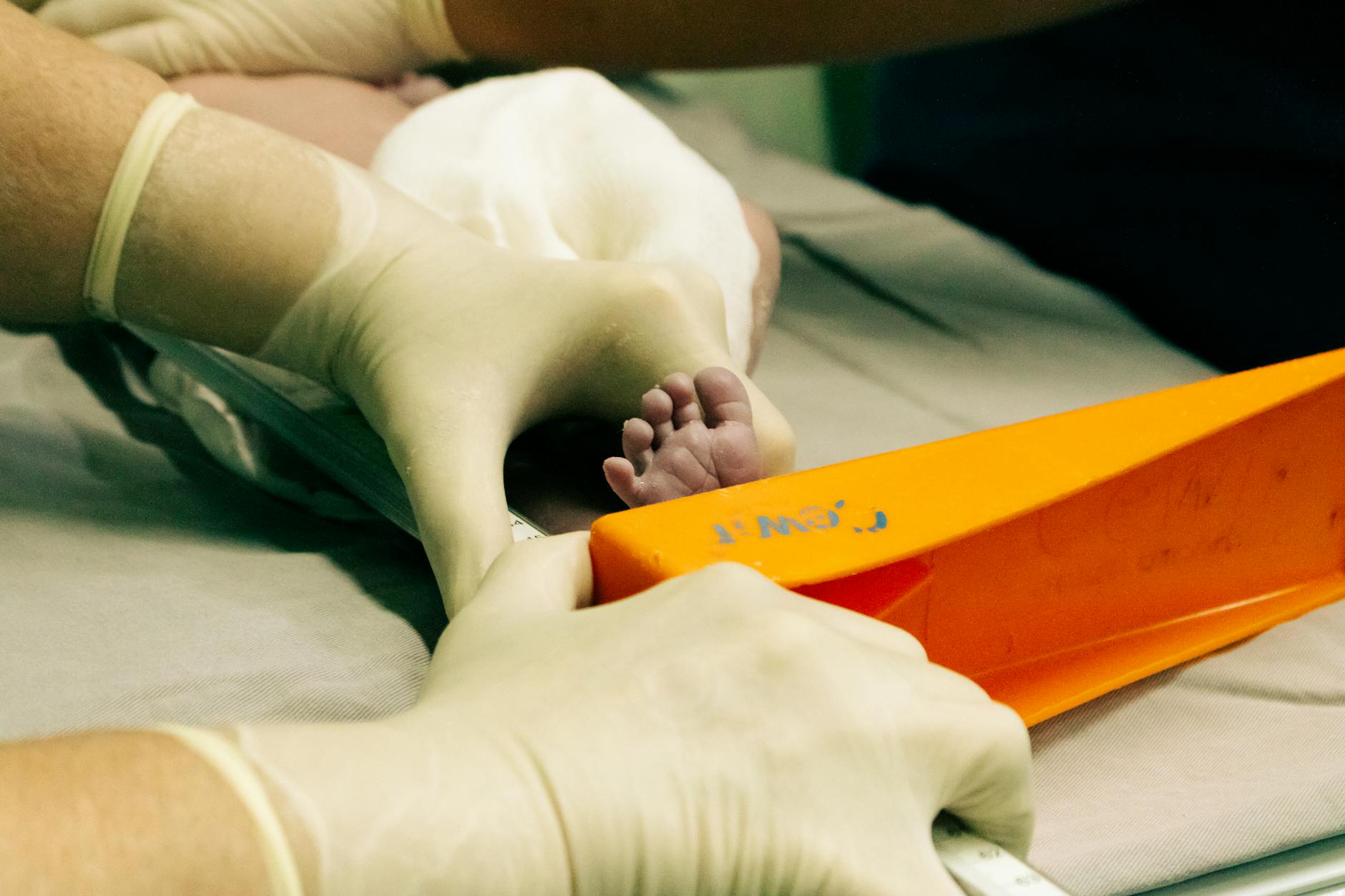
In a move reflecting both ambition and altruism, India has declared its readiness to extend technical guidance and support in maternal and child healthcare to countries around the globe. This commitment was articulated by Union Health Minister J.P. Nadda during the World Health Assembly, an event that convenes health leaders from across the world to discuss pressing global health issues.
India's offer comes as part of its broader strategy to prioritise the health of women, children, and adolescents. Nadda emphasised the successes of India's health programmes, noting that the country's innovations and digital platforms, such as the recently launched JANANI, serve as exemplary models. JANANI, specifically, is designed to maintain comprehensive digital health records for women, ensuring better monitoring and management of healthcare during their reproductive years.
"India stands ready to share its successful models and technical guidance," Nadda announced, inviting the Partnership for Maternal, Newborn & Child Health (PMNCH) to collaborate on showcasing India's achievements through physical and virtual platforms. This invitation underscores India's role as a leader in global health, particularly in the domain of women's, children's, and adolescents' health (WCAH).
The Global Context
The significance of this offer cannot be understated. Maternal and child healthcare remains a critical challenge worldwide, with many countries struggling to provide adequate services. By sharing its expertise, India not only extends its influence but also contributes substantively to global health efforts. The sharing of knowledge and resources could potentially enhance health outcomes in regions lacking robust healthcare infrastructure.
As the Vice Chair of PMNCH, India has pledged support across various health priorities, including the growing burden of non-communicable diseases (NCDs). This multifaceted approach indicates a comprehensive strategy aimed at tackling both immediate and long-term health challenges.
A Step Towards Global Health Equity
India's initiative represents a step towards achieving greater health equity. By offering its knowledge and technological advancements, India helps bridge the gap between developed and developing nations in terms of healthcare quality and accessibility. The potential for collaboration could lead to transformative changes in healthcare delivery, particularly in underserved areas.
This development invites optimism about the power of international cooperation in addressing health disparities. As countries look to model and adapt successful strategies, India's role as a mentor and partner in health innovation becomes increasingly crucial.