India Pioneers Hydrogen Production via Nuclear Heat
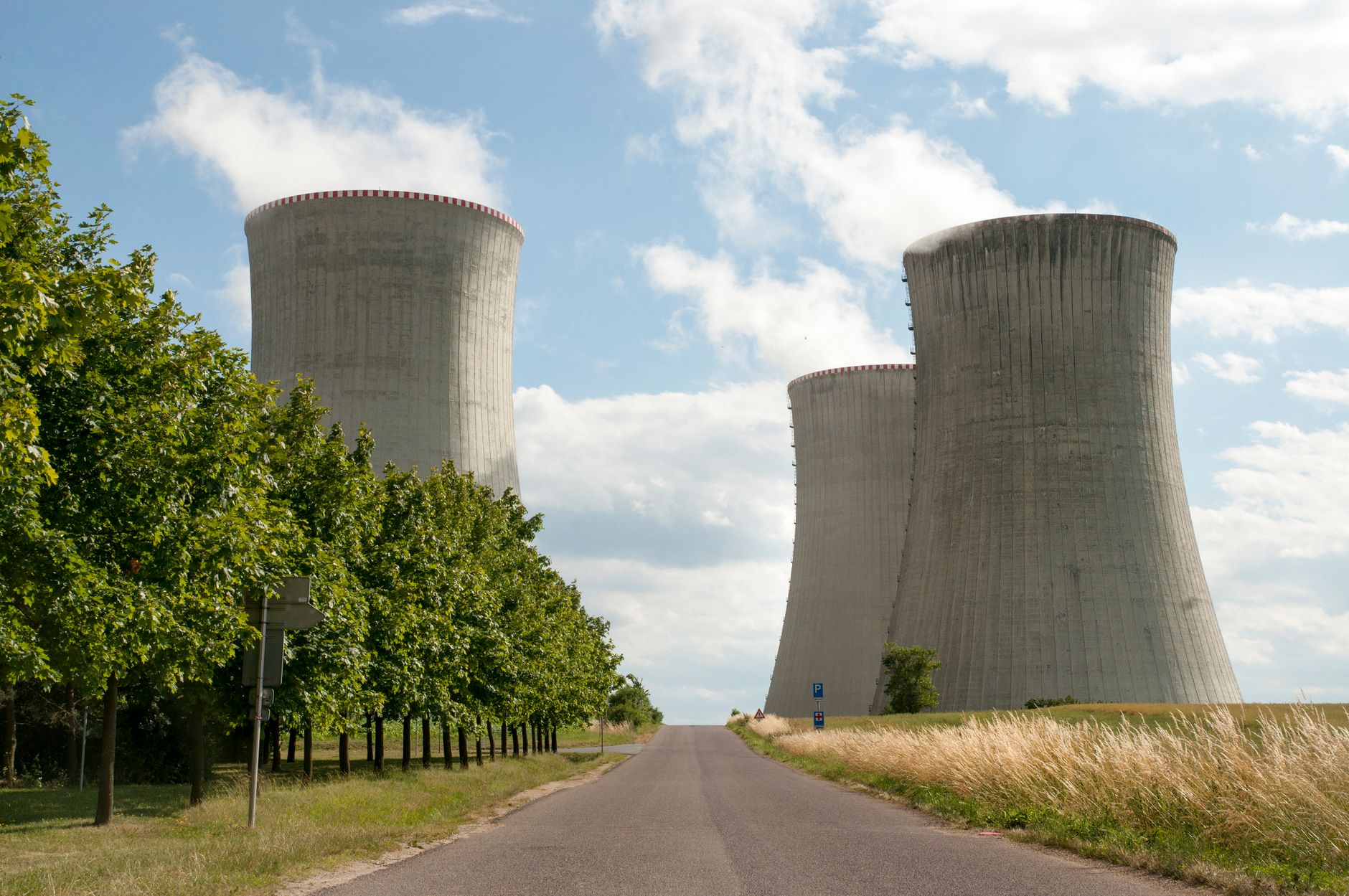
In a remarkable advance for the clean energy sector, India has unveiled the world's first hydrogen production plant that harnesses the heat from nuclear reactors, situated in Kalpakkam. This pioneering facility marks a substantial leap towards sustainable energy solutions, offering a promising alternative to conventional methods reliant on electrolysis.
The heart of this technological marvel lies in the copper-chlorine thermochemical cycle, a process that utilises nuclear process heat instead of electricity to produce hydrogen. By doing so, it not only enhances energy efficiency but also maintains a carbon footprint comparable to green hydrogen production methods. This innovation could potentially revolutionise the way hydrogen is produced, presenting a cleaner, round-the-clock route to the much-coveted green hydrogen.
The implications of this breakthrough extend beyond mere technological advancement. With the global push towards reducing carbon emissions, India's initiative could pave the way for large-scale adoption of carbon-free hydrogen, reducing reliance on fossil fuels and contributing significantly to the reduction of greenhouse gases.
Experts have noted that the successful commissioning of this facility is a testament to India's advanced nuclear research capabilities. It underscores the potential of nuclear energy as a reliable partner in the fight against climate change, providing a consistent and scalable energy source for hydrogen production.
As nations grapple with the urgent need to transition to cleaner energy sources, India's venture could serve as a blueprint for others seeking to harness nuclear energy in innovative ways. By spearheading this initiative, India not only asserts its commitment to sustainable development but also positions itself at the forefront of green technology innovations.