India Refutes Claims on E20 Petrol Export Rejection by Bhutan
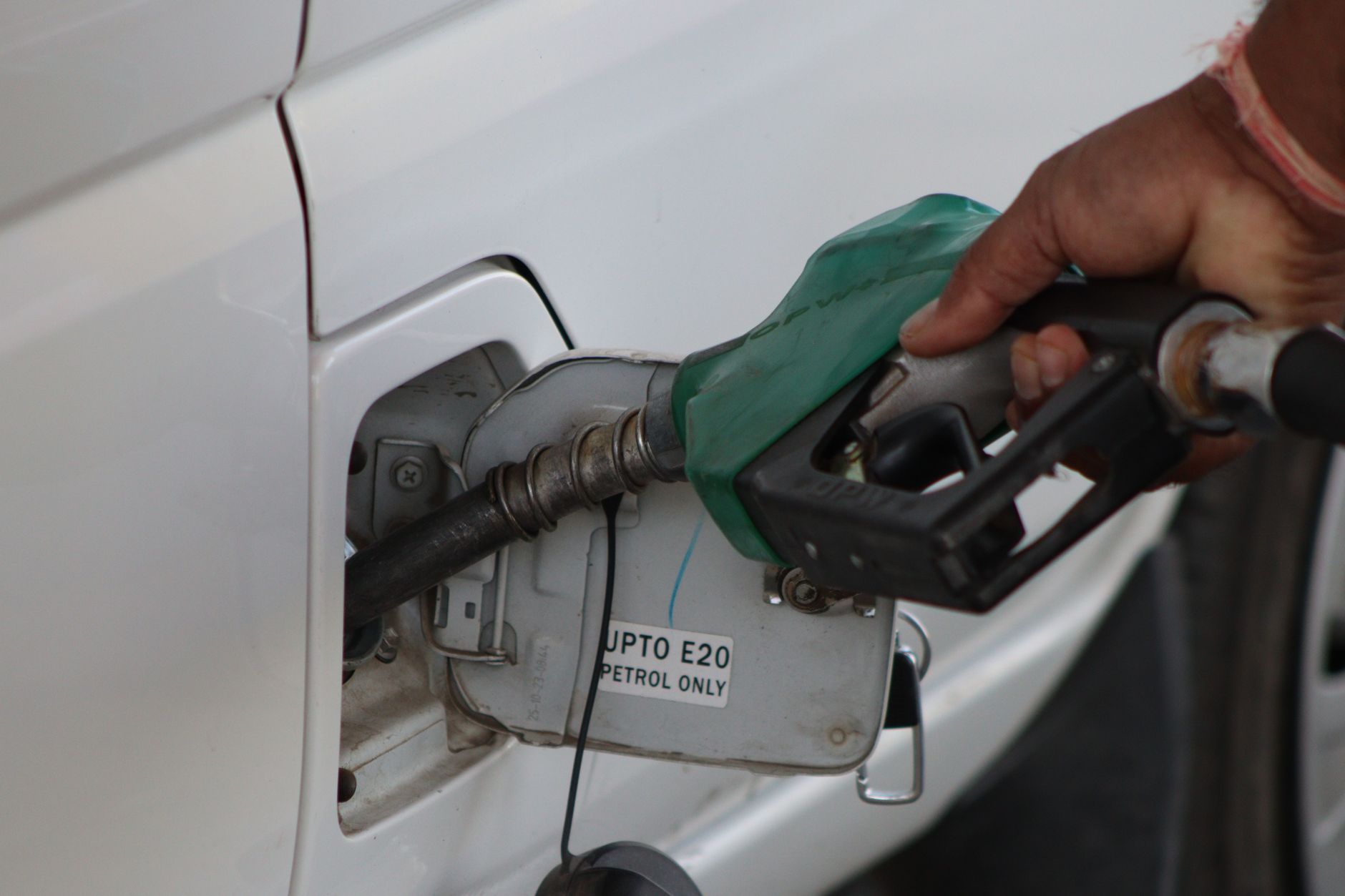
In a move to set the record straight, India’s Ministry of Petroleum and Natural Gas has categorically denied any claims that Bhutan has turned down an offer to import E20 petrol from India. According to the ministry, such reports are baseless as no proposal for exporting the ethanol-blended petrol was ever put forth by the Oil Marketing Companies (OMCs).
The speculation was sparked by recent media reports suggesting diplomatic friction over fuel imports. However, the ministry’s statement has put an end to the rumours, asserting that no discussions have taken place with Bhutan concerning the export of E20 petrol, which is a blend of 20% ethanol with petrol.
Understanding E20 Petrol
E20 petrol, a more environmentally friendly alternative, has been at the centre of India's efforts to reduce its carbon footprint. The blend, which has undergone extensive testing, promises not only to cut down on emissions but also to enhance fuel efficiency. Despite its potential, the fuel is yet to see a widespread rollout in India, let alone being considered for export.
India's focus on ethanol-blended fuels forms part of a larger strategy to minimise dependence on traditional fossil fuels and to meet climate targets set under international agreements. The introduction of E20 is seen as a step towards a more sustainable energy policy.
Diplomatic Nuances
The rejection claims, though unfounded, highlight the sensitivity surrounding energy diplomacy in the region. India's energy exports are a crucial component of its foreign policy, especially with neighbouring countries. While the ministry's clarification might quell immediate concerns, it underscores the importance of clear communication in international relations.
For now, both India and Bhutan appear to maintain a cordial relationship, with the latter relying heavily on India for its fuel needs. As India continues to innovate in the energy sector, the prospect of exporting more advanced fuels like E20 remains a future possibility, should the demand arise.