India Strengthens Ebola Measures at Airports Amid New Health Advisory
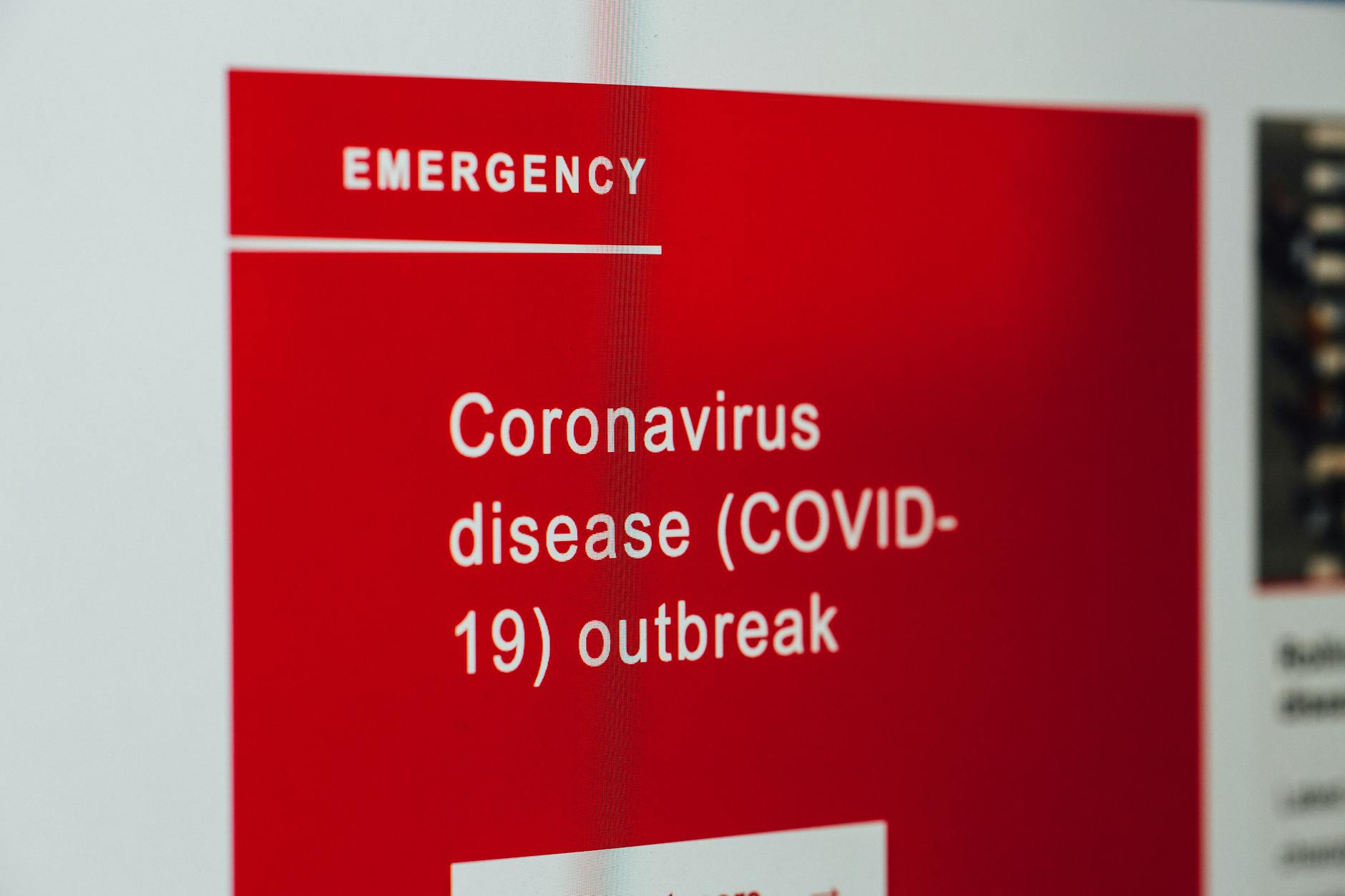
Amid the backdrop of a fresh Ebola outbreak declared by the World Health Organization, India has promptly reinforced its health surveillance protocols at airports. The move, aimed at safeguarding the nation from potential health risks, has seen increased scrutiny of passengers arriving from high-risk African nations.
At the heart of this initiative is Delhi's Indira Gandhi International Airport, where health advisories have been prominently issued. Passengers from countries such as the Democratic Republic of the Congo, Uganda, and South Sudan are being subjected to meticulous health screenings. The advisory insists that travellers presenting symptoms like fever, muscle pain, or unusual bleeding must immediately report to airport health desks.
Stringent Measures in Place
This proactive approach is not merely a reactionary step but rather a calculated measure to prevent the Ebola virus from making inroads into India. The screening process is rigorous, with health officials ensuring that all potential cases are identified and managed before they can pose a threat to public health.
The decision comes as a response to the WHO's recent alert on the Ebola crisis, which has seen cases rising in certain African nations. By acting swiftly, Indian authorities aim to minimise the possibility of the virus reaching its shores.
Public Awareness and Responsibility
While the measures have been welcomed by many, they have also sparked concern among travellers, particularly those transiting through the affected regions. However, public health officials have emphasised the importance of vigilance and cooperation. Passengers are encouraged to stay informed and adhere strictly to the guidelines issued.
Ultimately, the success of these measures hinges not only on governmental action but also on public diligence. As India intensifies its efforts to keep Ebola at bay, the onus lies equally on its citizens to ensure their safety and that of others.