Indian-American Lawmakers Advocate for Diaspora Amid Rising Bias
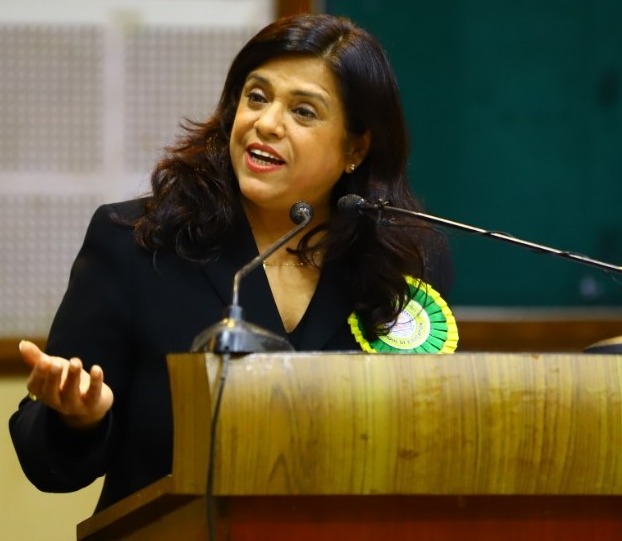
As rhetoric against Hindu and Indian communities intensifies across the United States, Indian-American lawmakers are voicing a clarion call for their diaspora to assume a more decisive role in the political arena. With an estimated 4 million Indian-Americans residing in the country, their influence in shaping policy and discourse is considerable, yet arguably underutilised.
Leading voices among these lawmakers have expressed concerns that current sentiments could undermine years of progress in diversity and inclusion. They argue that the Indian-American community, with its rich tapestry of cultures and perspectives, can offer valuable insights and solutions to America's myriad social challenges.
Mobilising the Diaspora
In recent weeks, a series of forums and discussions have been organised, aiming to galvanise the community into action. The focus, they say, should not only be on countering negative stereotypes but also on proactively participating in governance and policy-making processes. Active engagement is seen as the key to ensuring that the community's interests are represented and safeguarded.
One prominent lawmaker noted, "It's not enough to simply react to prejudice. We must be part of the legislative process, advocating for policies that reflect our values and protect our rights." His sentiment echoes a broader movement within the diaspora to shift from being a politically reactive group to a proactive and assertive force.
Challenges and Opportunities
Despite the challenges posed by rising animosity, there is a silver lining. The situation has sparked an unprecedented level of political engagement among Indian-Americans, particularly among the younger generation. They are increasingly stepping into roles from city councils to federal offices, bringing with them a fresh perspective and a commitment to inclusivity.
However, the journey is not without its hurdles. Overcoming entrenched biases and stereotypes requires sustained effort and strategic alliances with other minority groups. But there is optimism that, with persistent advocacy and a clear focus on shared goals, the diaspora can turn the tide of public opinion and policy.
As one legislator put it, "We have the numbers, we have the talent, and we have the resolve. It's time we make our voices heard not just in times of crisis, but as a regular part of the American political fabric."