Indian Railways Embraces Sustainability on World Environment Day
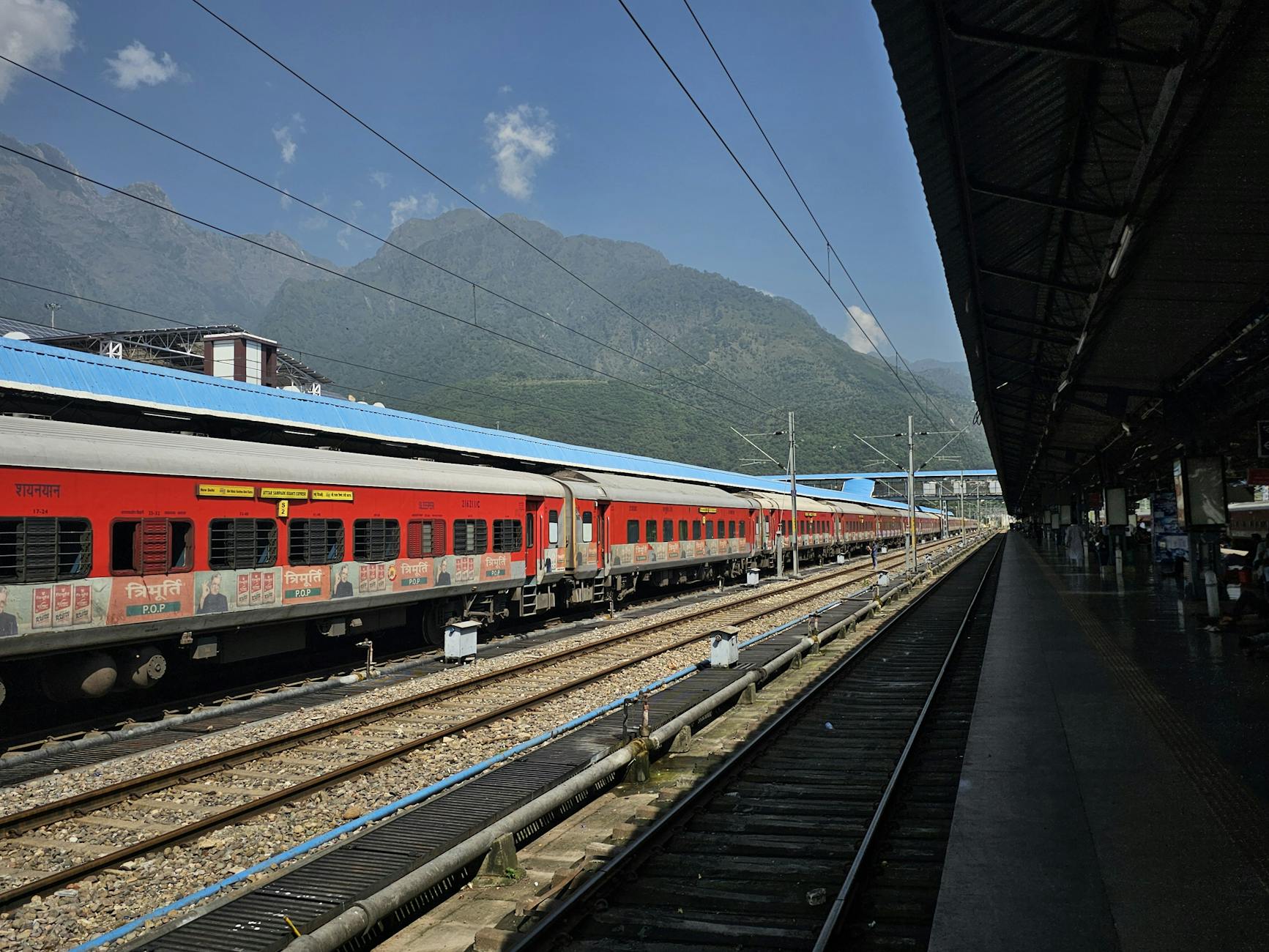
In the bustling corridors of India's railway stations, a quiet yet significant transformation is underway. With World Environment Day on the horizon, the Indian Railways has initiated the 'Harit, Swachh rail' campaign, a bold move to foster sustainability across its vast network.
Launched by the Jammu Railway Division, this initiative aims to usher in an era of paperless travel, encouraging passengers to embrace digital ticketing options through apps like RailOne. The campaign is part of a broader environmental awareness effort running from 15 May to 5 June, coinciding with World Environment Day on 5 June.
Indian Railways, often seen as the lifeline of the nation, carries millions of passengers daily. The shift towards digital ticketing not only promises convenience but also significantly reduces paper usage, aligning with global sustainability goals. According to railway officials, this move is expected to decrease the environmental footprint of railway operations, making journeys cleaner and greener.
A Greener Future
The initiative is not just about digital advancements; it encompasses a holistic approach to eco-friendly practices. Workshops and awareness programmes are being organised at stations, educating both staff and passengers on the importance of sustainable travel.
Moreover, the campaign highlights the railways' commitment to reducing emissions and promoting energy efficiency. By advocating for a reduction in paper use, the initiative also aims to set a precedent for other sectors, showcasing how traditional systems can adapt to modern ecological needs.
Challenges and Opportunities
While the transition to paperless travel is a commendable step, it does present challenges, particularly in ensuring that technological adoption is inclusive. Not all passengers may have easy access to digital tools, and the railways must address these disparities to ensure the initiative's success.
Nevertheless, the 'Harit, Swachh rail' campaign marks a promising start. It reflects a robust commitment to not only modernise the railways but also to do so with a conscientious nod to the environment. As the campaign progresses, it could well serve as a blueprint for sustainable practices across other public sectors in India.