Indian State Elections Highlight Deepening Religious Divides
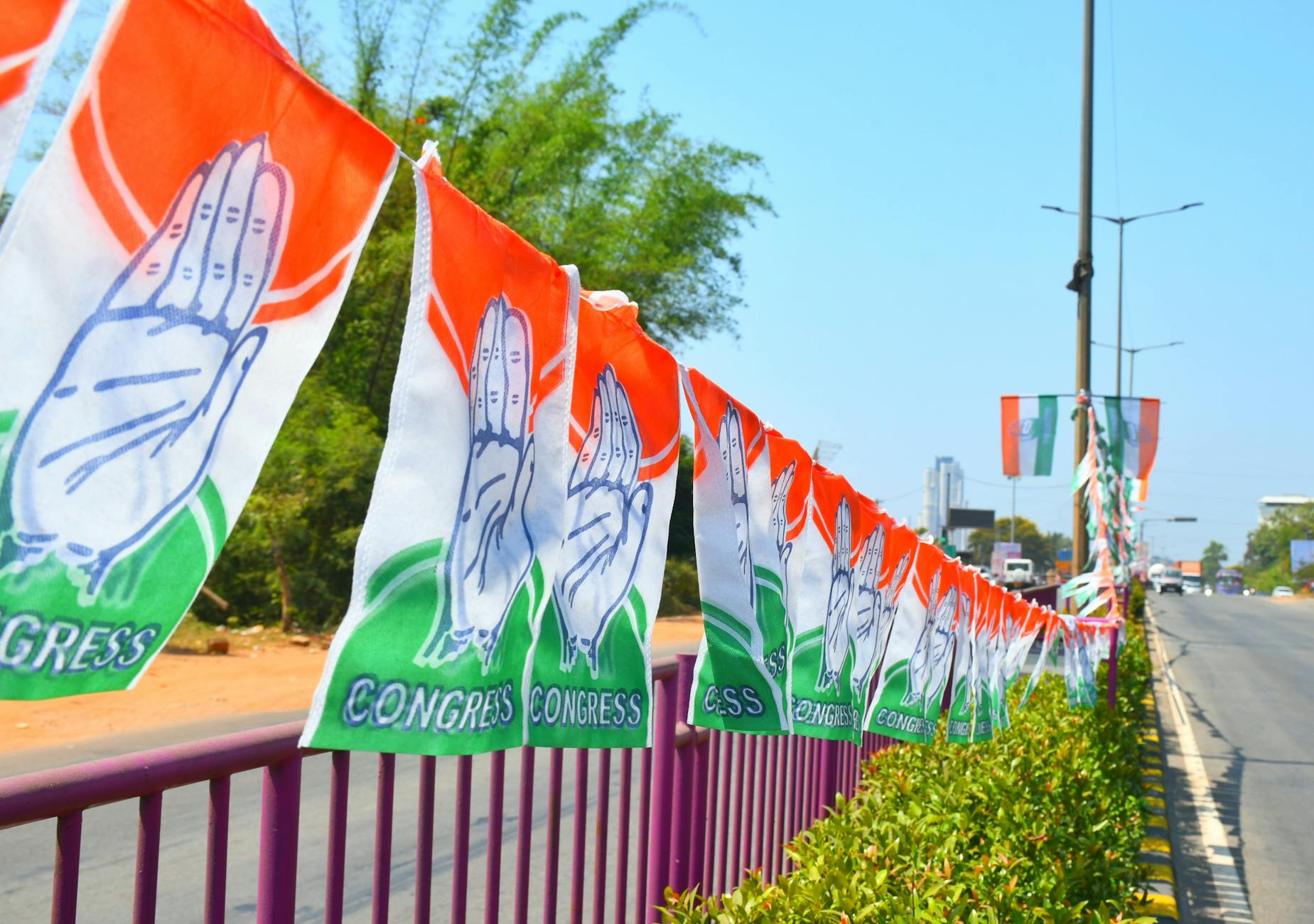
The cacophony of political rallies has barely faded, yet the reverberations of India's recent state elections continue to echo across the nation. At the heart of the tumult, a growing religious divide has become unmistakably clear. Prime Minister Narendra Modi's Bharatiya Janata Party (BJP) has secured a robust backing from Hindu voters, while a significant consolidation of Muslim support seems to be veering towards the opposition Indian National Congress.
In the northeastern state of Assam, the results were particularly telling. Of the 19 newly elected Congress lawmakers, 18 hail from the Muslim community, marking a notable increase from the previous assembly's figures. This shift mirrors a broader trend observed across the country, where religious identity has increasingly influenced voting patterns.
The BJP's strategy, often described by critics as divisive, appears to have galvanised Hindu support. Modi's rhetoric, which has at times painted Muslims in a contentious light, might have contributed to this polarisation.
Conversely, the Congress party has positioned itself as a bulwark against such divisive politics, gaining traction among Muslim voters who feel marginalised under the current regime. This dichotomy is likely to play a pivotal role in shaping the political narrative as the nation edges closer to the 2024 general elections.
While some may argue that these elections merely reflect longstanding societal divisions, others contend they are being exacerbated by political manoeuvring. The results undoubtedly raise questions about the nature of democracy in India, a country long celebrated for its diversity and pluralism. As the dust settles, the focus now shifts to how these dynamics will influence the national stage, potentially altering the course of India's political future.