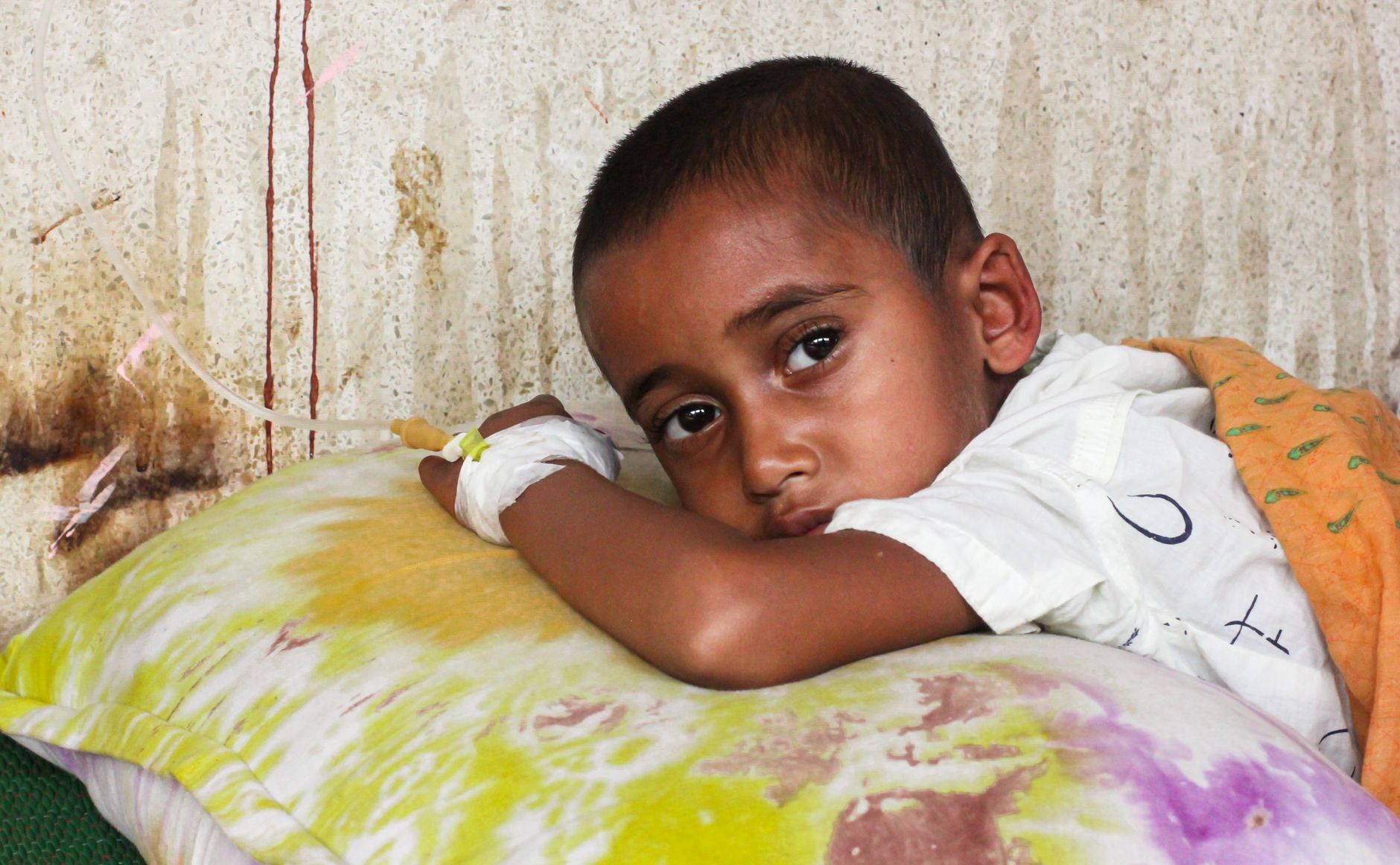
India's Ambitious Plan to Eradicate AIDS by 2030 Praised at UN

In the hushed halls of the United Nations in Geneva, a significant declaration was made. India, a nation of over a billion people, reiterated its resolve to eradicate AIDS as a public health threat by 2030. This ambitious commitment was warmly received at the UN High-Level Meeting on HIV/AIDS, a gathering that saw participation from a diverse array of stakeholders including government officials, scientists, and community leaders.
India's pledge comes at a time when the global fight against AIDS faces numerous challenges. The Political Declaration, endorsed by a vast majority of the UN Member States, lays out a roadmap designed to accelerate actions towards ending the epidemic. While progress has been made over the past decades, experts caution against complacency, highlighting the need for continued vigilance and innovation in tackling the disease.
The Weight of Commitment
The Indian government, in aligning with the global declaration, has set ambitious targets that require robust implementation. Dr. Rajesh Bhushan, Secretary of Health and Family Welfare, emphasised that India's strategy involves not only medical interventions but also addressing the socio-economic factors that contribute to the spread of HIV.
"Our approach is holistic," Dr. Bhushan noted. "We are committed to ensuring access to treatment, reducing stigma, and enhancing awareness across all segments of society."
Funding and International Cooperation
A significant aspect of the UN meeting was the call for sustained financial support to meet these goals. Donors have been urged to contribute generously to the cause, ensuring that nations like India can implement their plans effectively. The pooling of resources and shared strategies are seen as vital in achieving the 2030 target.
As the political declarations are translated into actionable plans, the role of international cooperation cannot be overstated. Shared knowledge, joint research initiatives, and cross-border support are crucial components in the global effort to end AIDS.
As the meeting concluded, the sense of shared purpose was palpable. While the road ahead is fraught with obstacles, the unified commitment to tackling one of the world's most persistent health threats provides a beacon of hope. India's promise, thus, not only reflects its national resolve but also its role as a key player on the global stage.