India's Cheetah Comeback: Minister Reviews Progress and Future Plans
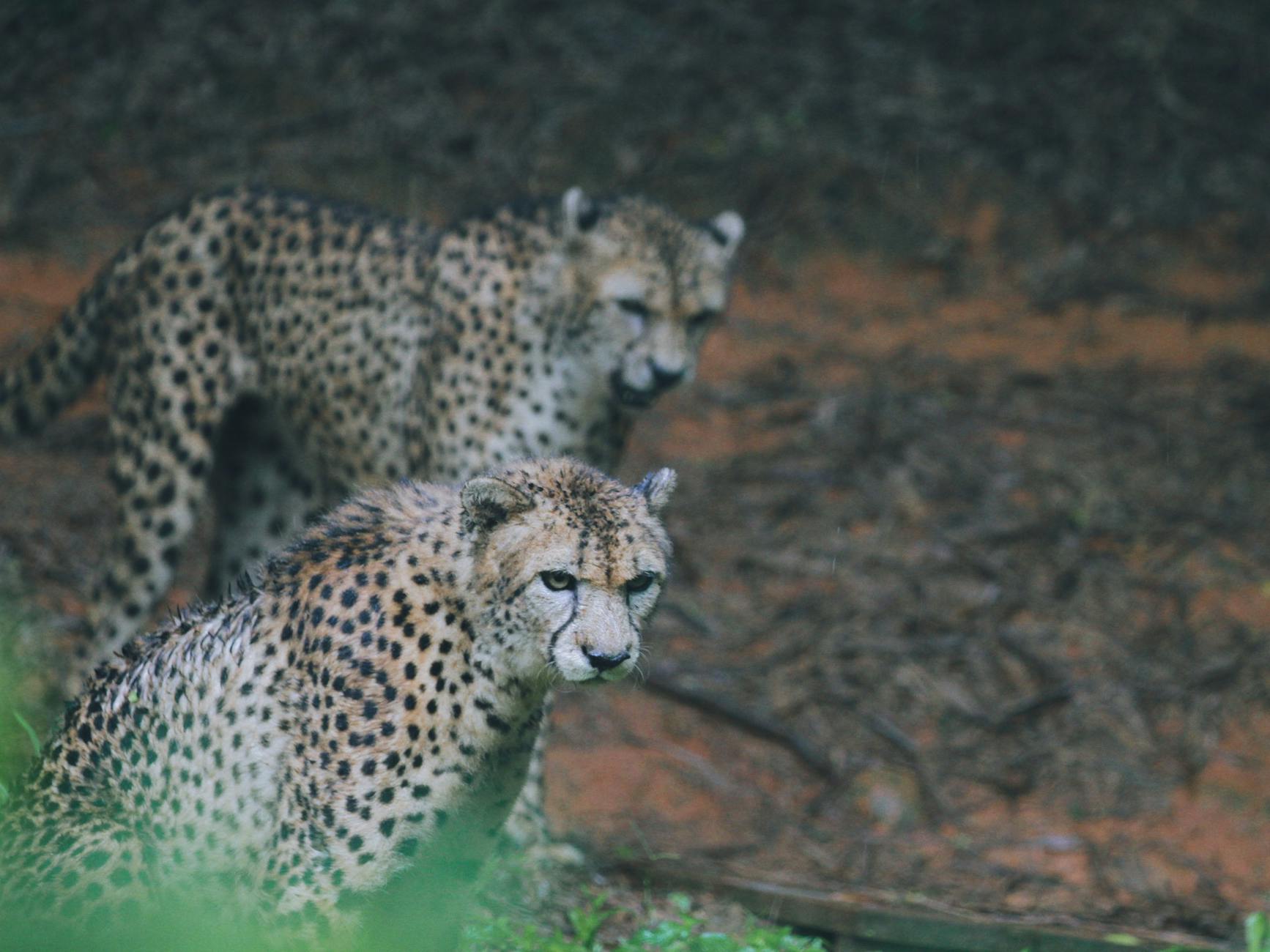
In a room filled with the hum of anticipation and the rustling of papers, Union Environment Minister Bhupender Yadav took centre stage to review Project Cheetah's progress. The project, which has been at the heart of India's wildlife conservation efforts, has seen the cheetah population rise to a promising 53. This increase is not merely a statistic; it is a symbol of hope for the revival of a species once extinct in the country.
Joining the minister were senior officials from the Ministry of Environment, Forest and Climate Change, alongside wildlife experts and field officers. The agenda was clear: to assess the current state of the project and chart its future course. As discussions unfolded, it was evident that the project had made significant strides, yet faced its share of challenges.
Challenges and Achievements
While the increase in numbers is commendable, the meeting underscored the need for continued vigilance. Factors such as habitat preservation, human-animal conflict, and maintaining genetic diversity were high on the agenda. These are not trivial hurdles, but the commitment of those in the room was palpable.
Experts pointed out that the project's success largely hinges on the delicate balance between conservation efforts and local community engagement. This dual approach has been instrumental in fostering a supportive environment for the cheetahs.
The Road Ahead
The meeting concluded with a renewed call to action. The future of Project Cheetah relies heavily on the strategic plans being put into place now. Minister Yadav emphasised the importance of adaptive management strategies that can respond to evolving challenges.
As India continues its journey of wildlife conservation, Project Cheetah stands as a testament to what can be achieved with perseverance and collaboration. The meeting not only reviewed past achievements but also rekindled the collective resolve to secure a thriving future for cheetahs in India.