India's Cheetah Conservation Efforts Chart New Course
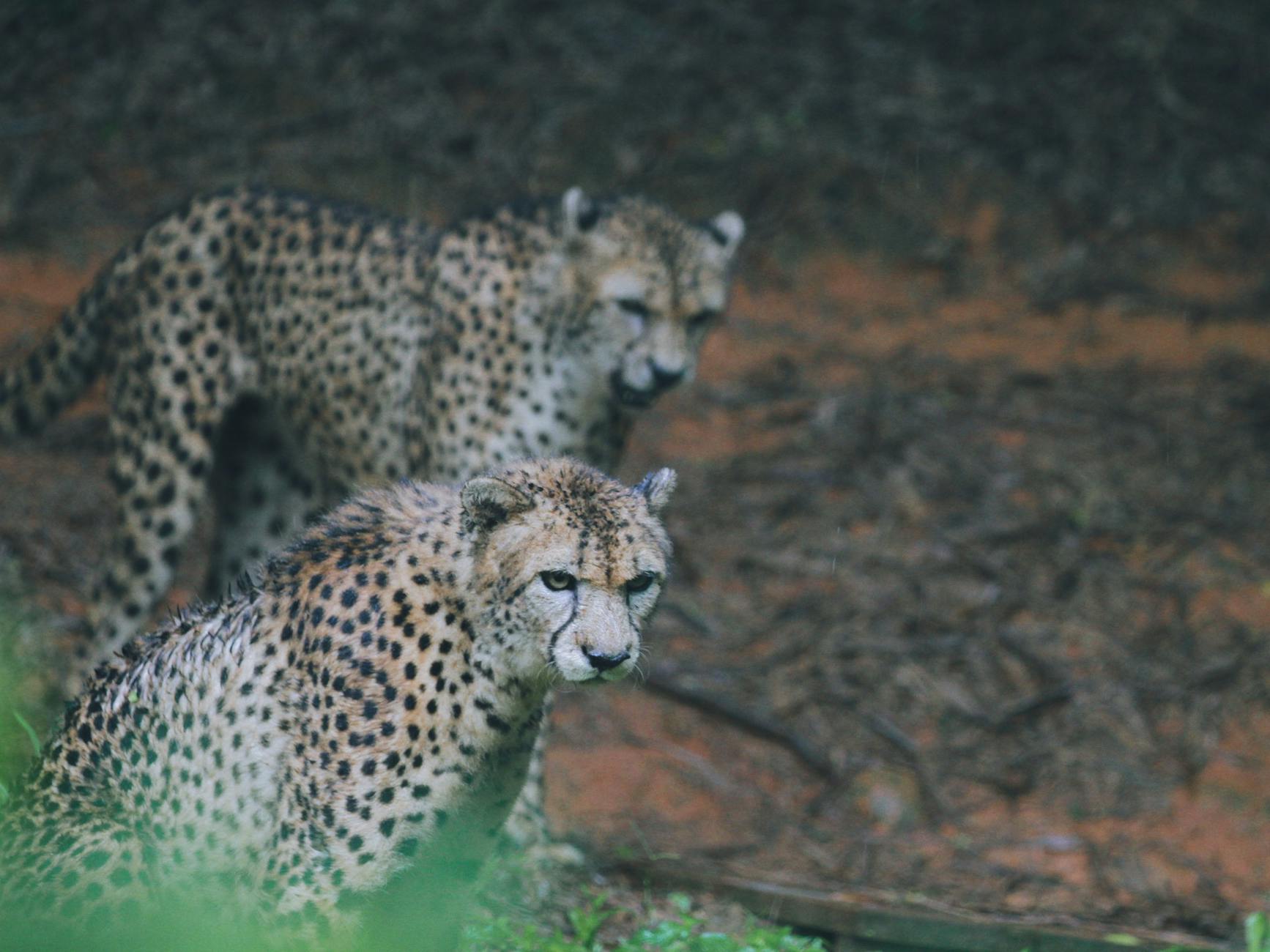
In a pivotal moment for India's wildlife conservation efforts, Union Environment Minister Bhupender Yadav chaired a high-level review meeting of Project Cheetah, which has seen the country's cheetah population climb to an encouraging 53. This number, while modest, represents significant progress in a project that aims to restore one of the planet's most iconic species to its historic range.
The gathering, which took place yesterday, assembled senior officials, wildlife experts, and field officers who have been at the forefront of this ambitious endeavour. Discussions were not limited to just the spotted feline; they also covered broader conservation strategies, including the management of the Ripu–Chirang Elephant Reserve and tackling air pollution in Delhi-NCR.
Yadav, in a statement following the meeting, remarked on the symbolic nature of the project, describing it as a beacon of hope for restoring ecosystems and wildlife populations that have been depleted over decades. He emphasised that the cheetah is more than just a predator; it is an integral part of the ecological tapestry, playing a crucial role in maintaining balance within its habitat.
The Road Ahead
The review also scrutinised the methods used for elephant population estimation, as the government seeks to implement more integrated conservation and management strategies. The aim is to complement these with the ongoing cheetah efforts, creating a holistic approach to India's biodiversity challenges.
As the cheetah project progresses, questions about its sustainability linger. Critics argue that introducing cheetahs into new environments can be fraught with challenges, ranging from human-wildlife conflict to the adaptability of cheetahs in Indian terrains. However, supporters remain optimistic, citing the need for bold steps to reverse the damage done by habitat destruction and poaching.
Yadav also addressed air pollution strategies in Rajasthan and Punjab, underscoring the interconnected nature of environmental challenges. The minister's active role in these meetings signifies a comprehensive approach to India's ecological issues, balancing species-specific projects with broader environmental policies.
India's bold move to reintroduce cheetahs is a testament to its commitment to biodiversity. As Project Cheetah continues, its success could serve as a model for other restoration efforts worldwide, proving that with determination and collaboration, the tide of extinction can be turned.