India's 'Cockroach' Movement Demands Minister's Resignation
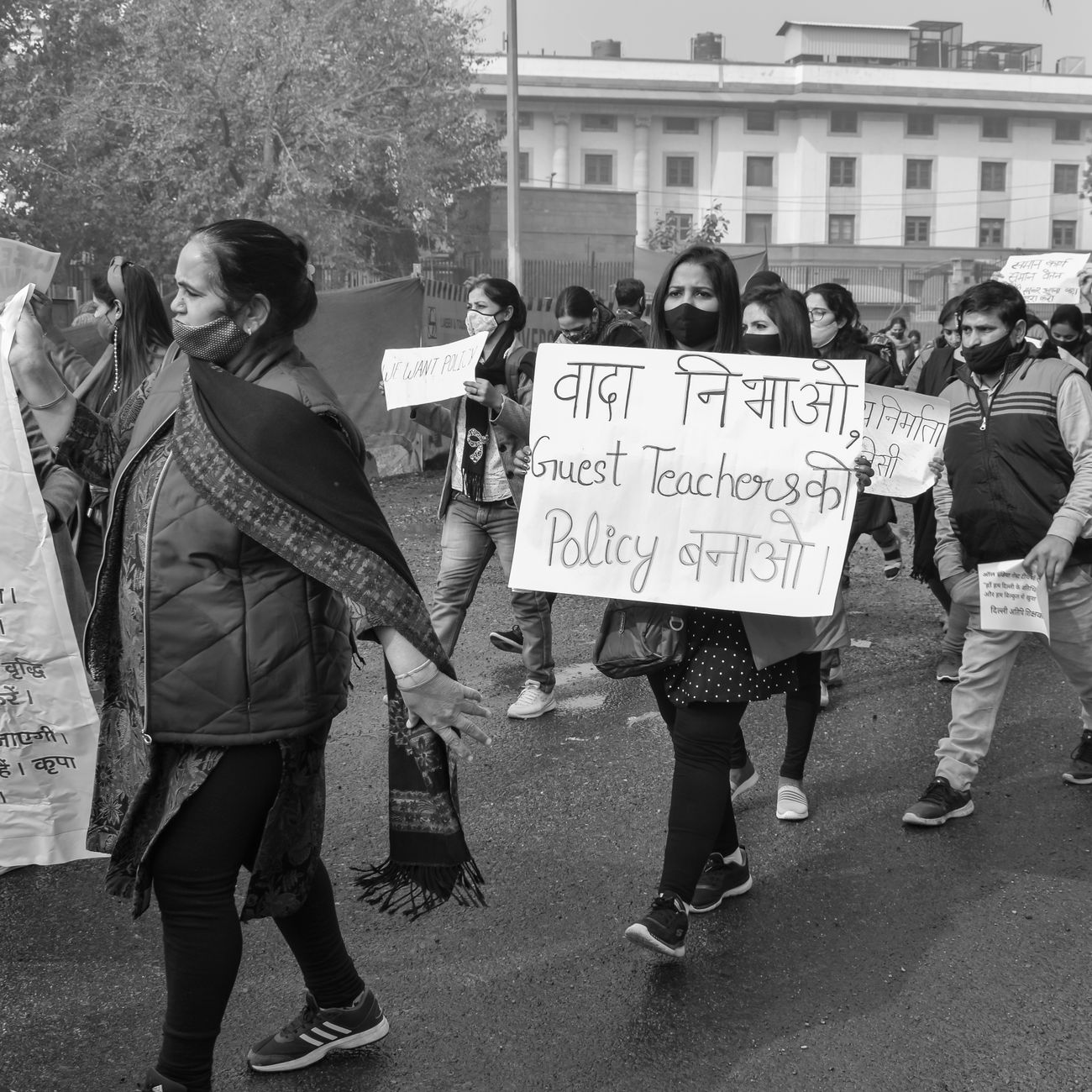
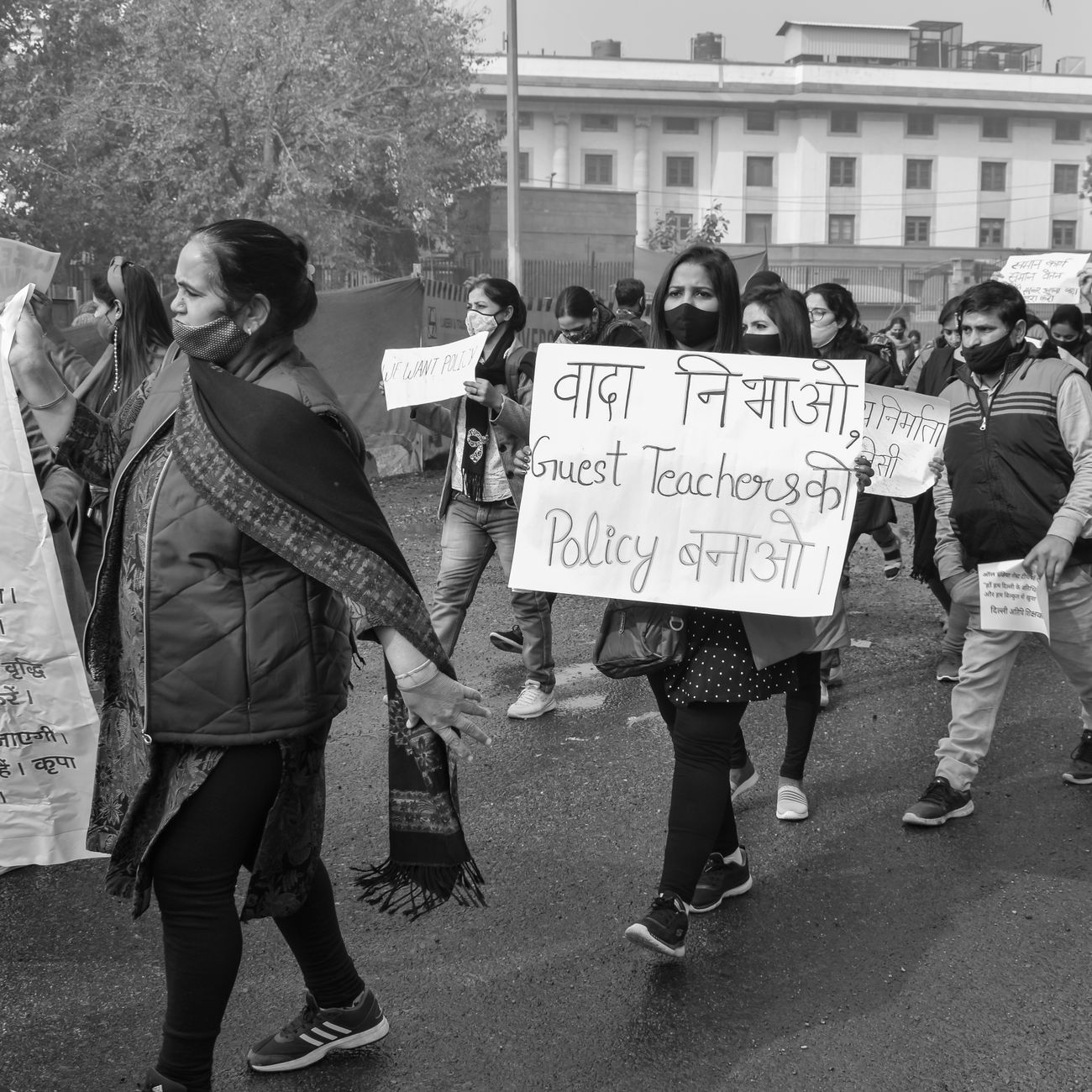
In a city known for its vibrant protests, a peculiar, yet potent, movement has emerged in the form of the 'Cockroach Janta Party'. Founded by Abhijeet Dipke, a former political strategist, this satirical movement has taken the internet by storm, and now, the streets of New Delhi. Thousands have gathered at the iconic Jantar Mantar, banging plates in a cacophony of dissent, demanding the resignation of the education minister.
The movement, which began as an online youth initiative, has swiftly morphed into a tangible force. On 6 June, over 7,000 individuals rallied, marking the group's first major foray into physical protest. The choice of Jantar Mantar is symbolic, a historical site synonymous with political unrest and public assembly.
At the heart of the movement lies a deep-seated frustration with India's educational policies. Supporters argue that the current system is antiquated and fails to address the needs of modern students. The resigning of the education minister is seen as a necessary first step towards comprehensive reform.
Despite police warnings, the protestors remain undeterred. Their determination is palpable, as they continue to occupy the site indefinitely. The movement's leader, Dipke, has asserted that any further actions will be decided collectively by the participants, underscoring the democratic ethos of the movement.
A New Form of Political Expression
What sets this movement apart is its satirical nature. The 'Cockroach' moniker, a nod to the insect's resilience, is a metaphor for the movement's endurance and adaptability. This form of protest is not only a challenge to the status quo but also a reflection of the innovative ways in which India's youth are engaging with politics.
As the protest enters its third day, the question remains: will the education minister heed these calls for resignation? Regardless of the outcome, the Cockroach movement has already succeeded in capturing national attention, igniting a conversation about accountability and reform in India's educational landscape.