India's Education Dilemma: Striving for Excellence, Not Just Access
While the doors of schools across India have swung open for millions, a more pressing concern has emerged: the quality of education being imparted within those walls. Although India has made significant strides in improving access to education, the emphasis now is on ensuring that students receive an education that equips them for the complexities of the modern world.
India's education system, once plagued by issues of accessibility, must now contend with a crisis of excellence. The sheer number of students entering the educational fold creates a unique conundrum. Quantity does not necessarily translate to quality, and this is where the challenge lies. Simply put, getting more children into classrooms is not enough; what happens next is crucial.
The Shift from Access to Excellence
With initiatives like the Right to Education Act, India has ensured that almost every child has a place in a school. However, this has inadvertently highlighted a glaring issue: the disparity in the quality of education across urban and rural areas, and even among different socio-economic groups. In urban centres, students might have access to better resources and teaching staff, while their rural counterparts often struggle with basic amenities.
Furthermore, the curriculum often lacks the dynamism required to engage young minds. Rote learning continues to dominate classrooms, stifling creativity and critical thinking. This has led to a generation of students who excel in examinations but falter when faced with real-world challenges.
Reimagining the Path Forward
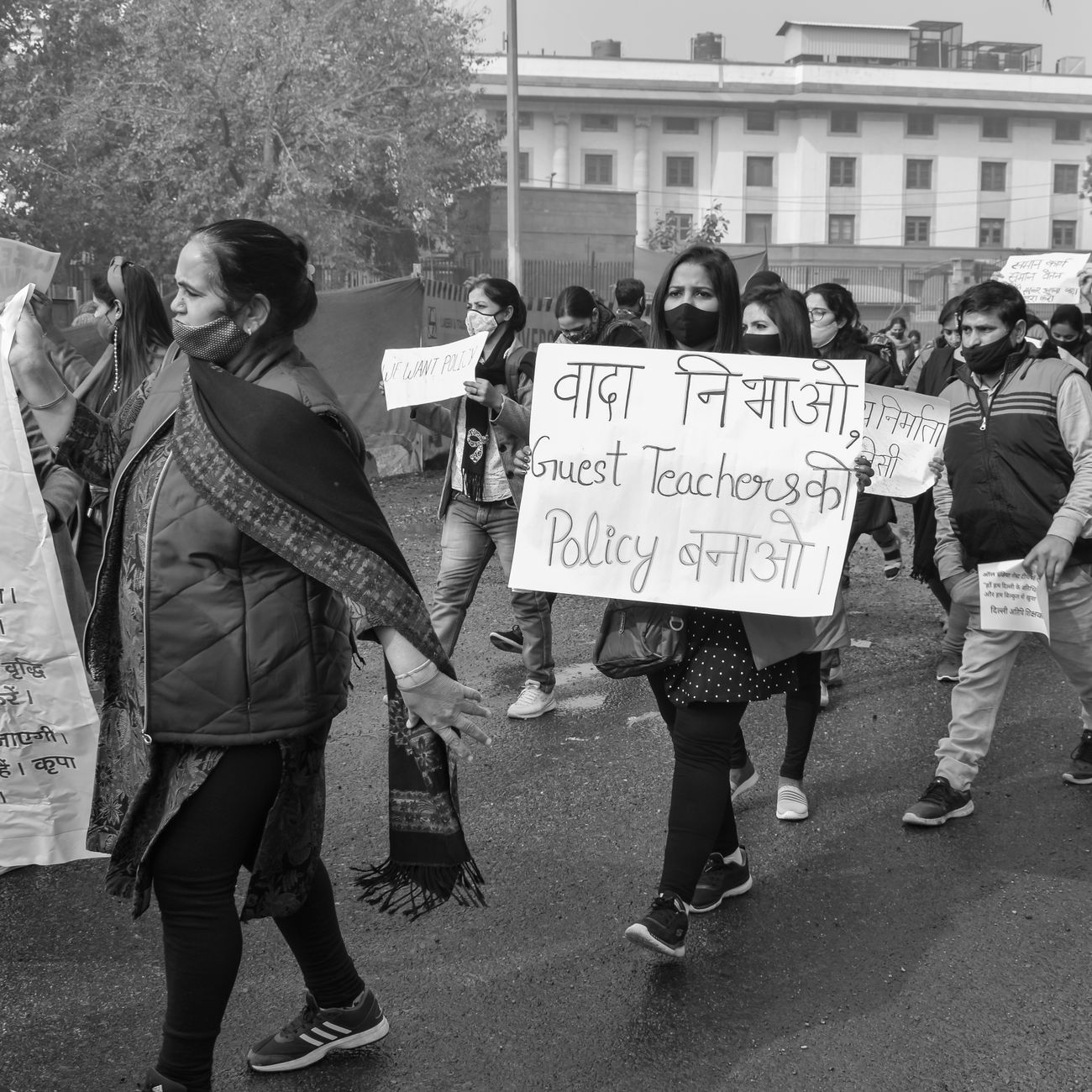
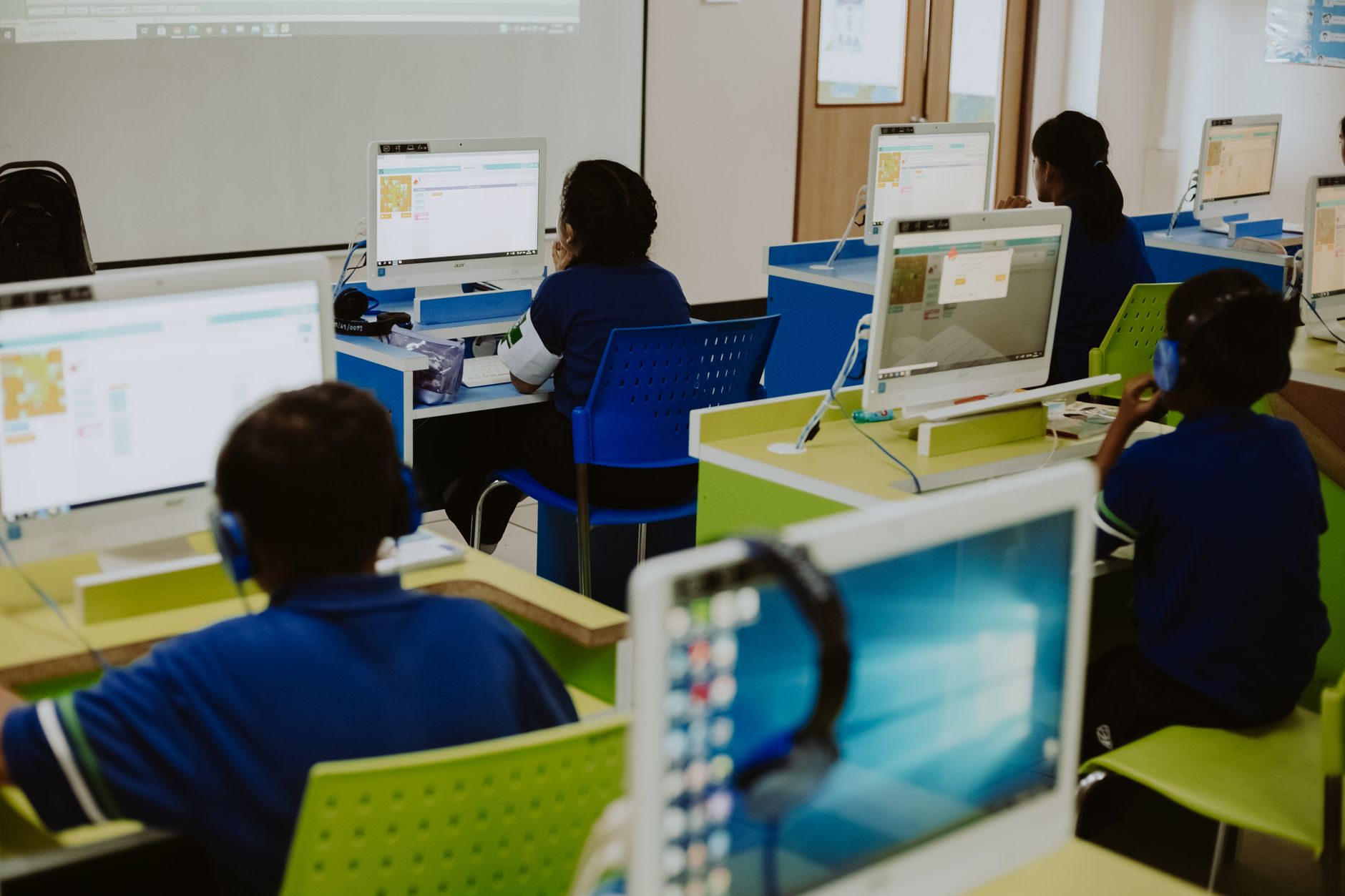
The call for reform is not new, yet it remains urgent. Educators, policymakers, and stakeholders must collaborate to redefine what quality education means in the Indian context. This involves investing in teacher training, updating curricula to include skill-based learning, and adopting technology to bridge the educational divide.
Moreover, assessments need to evolve beyond standardised tests to encompass a more holistic understanding of a student's capabilities. Encouraging problem-solving skills, fostering creativity, and nurturing a passion for learning are essential components of this transformation.
In conclusion, India's educational future hinges not just on the number of students its schools can accommodate but on the kind of education they receive. It's a challenge of remarkable complexity but one that holds the promise of a brighter future if addressed with urgency and vision.