India's Education System Grapples with Language Challenges

In a country where linguistic diversity is as vast as its geographical expanse, the introduction of the National Education Policy 2020's three-language formula has sparked a debate as colourful as the languages it seeks to promote. The policy, which demands that students from Class 6 onwards study at least two native Indian languages, is a well-intentioned attempt to celebrate and preserve India's rich linguistic heritage. Yet, the execution is proving to be a formidable task.
The Central Board of Secondary Education (CBSE) has been tasked with rolling out this initiative, which represents a departure from the previous policy that emphasised Hindi, English, and a regional language. The new framework aims to bolster multilingualism, encouraging students to engage with their cultural roots more profoundly. However, the practicalities are causing consternation.
Teacher Shortages and Curriculum Concerns
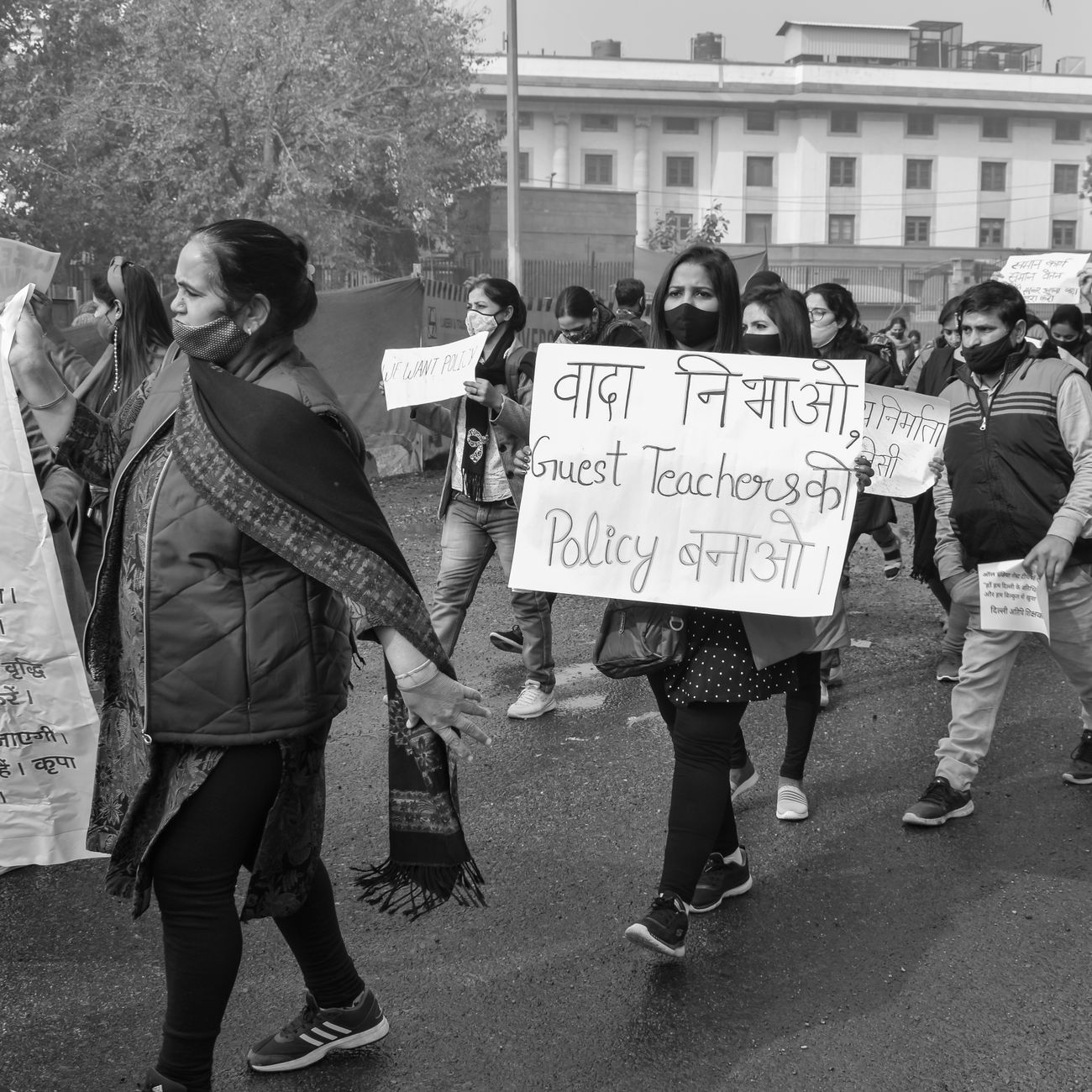
The shortage of qualified teachers proficient in multiple languages is perhaps the most immediate hurdle. Schools across India are scrambling to recruit educators who can meet the new requirements, but the pool of available talent is limited. This shortage is leading to concerns about the quality of education that students will receive.
Moreover, the curriculum itself needs significant restructuring to accommodate the new language requirements. Schools must now balance an already packed academic schedule with the added burden of additional language classes. Parents and educators alike worry about the impact on students' overall learning experience.
The Wider Cultural Implications
Beyond logistical issues, the policy also raises broader cultural questions. India has always been a mosaic of languages and dialects, a source of cultural pride and, at times, regional tension. The policy's emphasis on native languages is a nod to this diversity, yet it risks reigniting debates over linguistic identity and regional dominance.
Nevertheless, proponents argue that the policy is a step in the right direction, fostering a generation of Indians who are more culturally aware and linguistically equipped to navigate a globalised world. It remains to be seen whether the educational infrastructure can adapt swiftly enough to meet these lofty ambitions.
As the dust settles on this contentious policy shift, one thing is clear: the conversation about language in education is far from over.