India's Environmental Rewrite: Auto Giants and Modi's Balancing Act
In the bustling corridors of New Delhi, a quiet yet significant shift is underway. Global automotive giants have successfully nudged the Indian government to relax its stringent environmental regulations, marking a pivotal moment in India's economic narrative.
For years, Indian industries have echoed a common refrain: environmental laws, though noble in intent, are throttling growth. Prime Minister Narendra Modi, ever the pragmatist, seems to have heeded these calls. Under pressure from international auto behemoths looking to expand their footprint in one of the world's largest markets, the government has begun to rewrite its environmental rulebook.
The move comes as part of a broader strategy to revitalise India's manufacturing sector, a cornerstone of Modi's economic vision. By easing regulations, the government aims to attract more foreign investment, create jobs, and ultimately, propel India up the global economic ladder.
The Economic Argument
Proponents of this regulatory relaxation argue that India's cumbersome environmental laws have long been a deterrent to business. They claim that these reforms will not only bring in much-needed investment but also stimulate job creation, a pressing need in a country with a burgeoning young population.
"Clean India is fine — we also like clean India," remarked an industry executive, capturing the sentiment of many in the business community. "But give us jobs." This sentiment resonates with a government eager to showcase its pro-business credentials.
Environmental Concerns
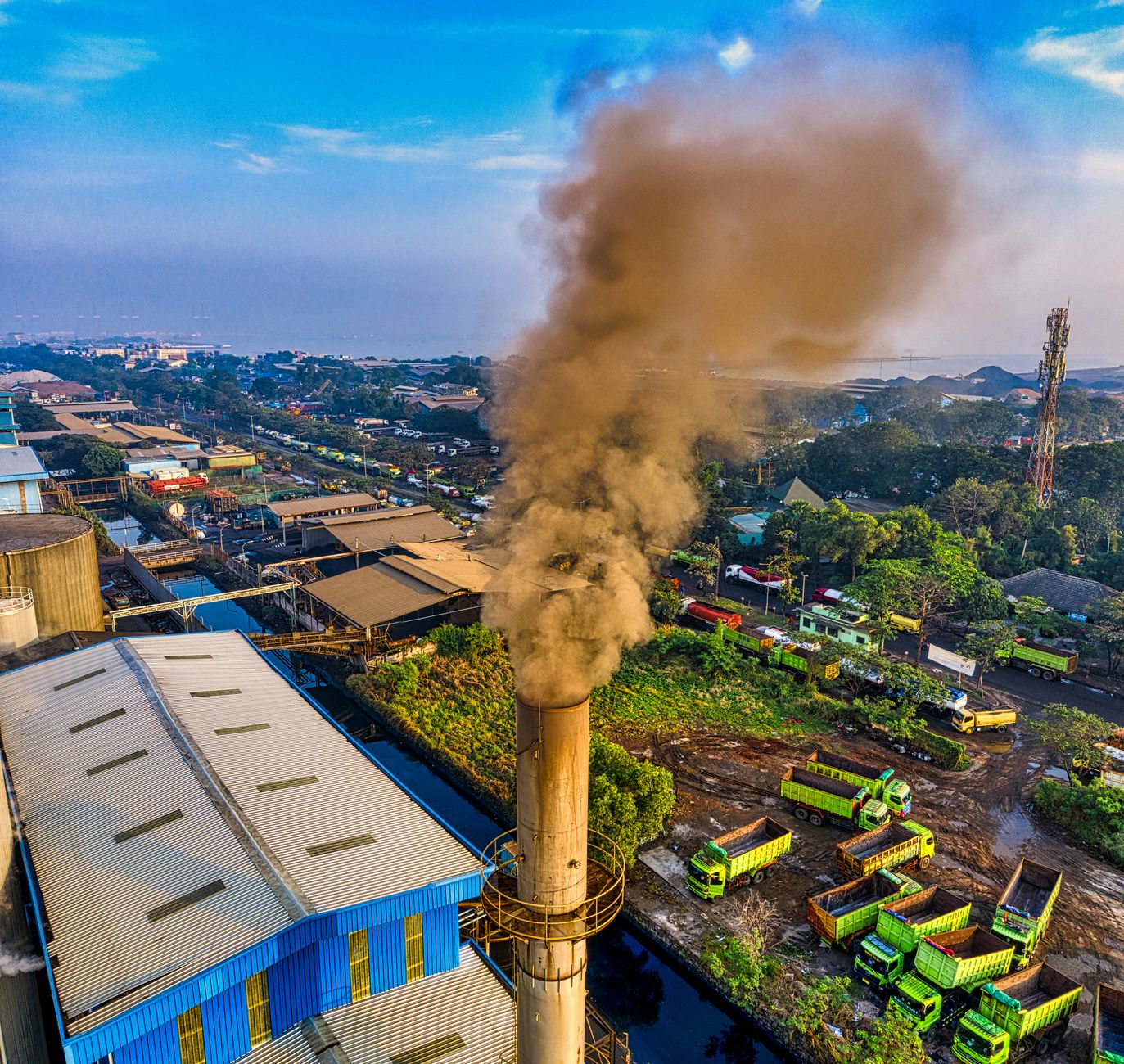
Yet, the changes have sparked concern among environmentalists, who fear that prioritising economic growth at the expense of ecological sustainability could have irreversible consequences. They argue that relaxed regulations could lead to increased pollution and environmental degradation, undoing years of progress in environmental conservation.
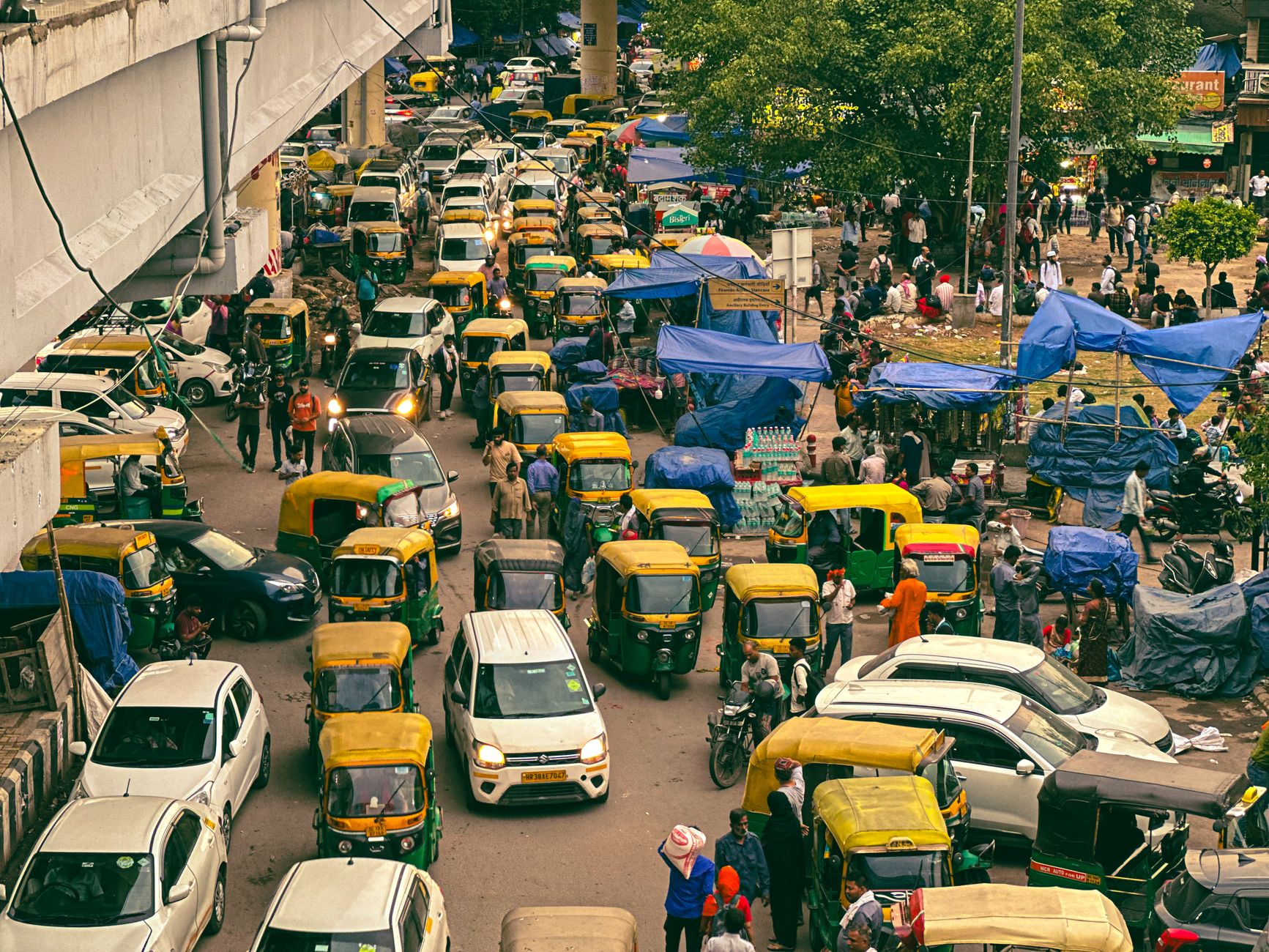
India's cities are already grappling with severe air pollution, and critics warn that these regulatory changes could exacerbate the problem. The challenge lies in striking a delicate balance between fostering economic growth and safeguarding the environment.
As India treads this fine line, the world watches closely. The country's ability to balance these competing interests will not only shape its economic future but also its environmental legacy.